

Ube Powder Benefits: A Complete Guide to the Purple Superfood
Ube, a strikingly purple tuber native to the Philippines, has captured the attention of bakers and health-conscious eaters alike. Beyond its extraordinary colour, this superfood holds genuine nutritional depth. In this article, explore the benefits of ube, its nutritional profile, and its effects on digestion, blood sugar, the immune system and skin health. Research published on NCBI NLM and in the specialist nutrition press increasingly supports the value of ube powder in a balanced diet.
What exactly is ube?
Ube, also known as purple yam, is a purple tuber native to Southeast Asia, and to the Philippines in particular. Its scientific name is Dioscorea alata. Its intense purple flesh gets its spectacular colour from anthocyanins, natural antioxidant pigments also found in red cabbage and berries.
Ube is sometimes confused with taro or purple sweet potato. These three plants belong to entirely different botanical families. Known by the name of taro in some countries, ube actually has a softer, lightly vanilla-like flavour and a far higher concentration of anthocyanins than taro. Traditionally, ube is enjoyed steamed, as a mashed ube, in ube halaya (the beloved Filipino jam), or as an extract or ube powder for easy use in modern recipes.
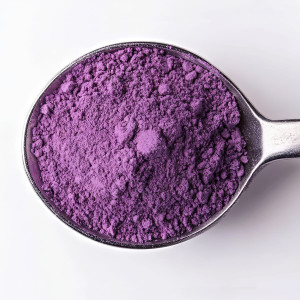
Our dried and milled organic ube retains virtually all the nutritional qualities of the traditionally cooked tuber, with the added convenience of a fine powder that dissolves into any liquid.
Ube's nutritional profile: a wealth of fibre and vitamins
The nutritional profile of ube earns it a well-deserved place among superfoods. Its nutritional composition reveals an impressive richness in fibre and vitamins, minerals and antioxidant compounds. Here are the key nutrients in ube found in 100 g of fresh tuber or an equivalent serving of ube powder:
- Complex carbohydrates with a significant proportion of resistant starch, which nourishes the gut microbiome.
- Dietary fibre (3 to 5 g per 100 g), supporting healthy bowel transit.
- Vitamin C in meaningful quantities, a key ally for your immune system.
- B vitamins (B1, B6) essential for energy metabolism.
- Potassium, calcium, magnesium and iron: crucial minerals.
- Antioxidants in ube: high concentrations of anthocyanins, flavonoids and phenolic compounds.
Ube is an excellent source of antioxidants and fibre. It is this dual richness that sets ube apart as a superfood. Gluten-free and caffeine-free, it suits a wide range of diets.
Ube's benefits for digestion
Among the best-documented benefits of ube is its action on the digestive system. The effects of ube on digestion stem primarily from its richness in resistant starch and soluble fibre. Digestive health is one of the most sought-after topics in our health articles on ube.
Supporting digestion and bowel transit
The digestive support provided by ube works through two complementary mechanisms. Insoluble fibres ease bowel transit by increasing the volume of the food bolus. Resistant starch, meanwhile, acts as fuel for beneficial bacteria in the colon, strengthening the health of the gut microbiome. Several studies referenced on NCBI NLM (PubMed) have shown that a diet rich in resistant starch helps improve digestion with ube and other colourful tubers. The link between bowel transit and ube is particularly well supported by the scientific literature.
Everyday digestive comfort
By incorporating ube powder regularly into your diet, you support lasting digestive comfort. The relationship between bowel transit and ube is especially relevant for those prone to mild bloating or sluggish digestion. A spoonful of powder stirred into a yoghurt, a morning smoothie or a plant-based drink can make a real difference over time.
Ube and blood sugar regulation
A question that comes up often about ube: does ube help regulate blood sugar? Current scientific data indicates that this tuber has a moderate glycaemic index, lower than that of the ordinary potato. Blood sugar regulation with ube is one of the most promising health benefits of ube.
The glycaemic index of ube
The glycaemic index of ube sits at around 45 to 55 depending on the preparation method, placing it among foods with a moderate glycaemic index. For comparison, a boiled potato scores 70 to 90. This difference is explained by the presence of resistant starch, which slows carbohydrate absorption.
Blood sugar and ube: what the studies say
The relationship between blood sugar and ube has attracted considerable research interest. Blood sugar regulation with ube works through the gradual release of glucose into the bloodstream, avoiding sharp spikes and crashes in sugar levels. For those mindful of their glycaemic balance, ube offers gentle support, though it is not a treatment. Blood sugar support should be seen as a complement within a balanced diet and, in the case of diabetes, always discussed with a healthcare professional.
Antioxidants: ube against oxidative stress
One of the most valuable health benefits of ube lies in its exceptional antioxidant content. The anthocyanins responsible for the purple colour of its flesh rank among the most potent antioxidant pigments in the plant kingdom. This property makes the antioxidants in ube a major topic of study in modern nutrition.
Neutralising free radicals
The anthocyanins in ube help neutralise free radicals responsible for oxidative stress. This cellular mechanism is involved in premature cell ageing and the development of many chronic conditions. Regular consumption of ube powder helps enrich your intake of natural antioxidants.
A natural anti-ageing effect
By consuming ube powder regularly, you support your body's antioxidant defences. Several studies compare the anthocyanins in ube to those in wild berries: their anti-ageing action and capacity to slow premature ageing make them a valuable ally in any holistic wellness routine. Combined with dietary collagen, an ube-based antioxidant routine supports skin firmness and radiance.
Ube's benefits for skin, hair and beauty
The nutritional benefits of ube extend well beyond digestion and blood sugar. The skin, hair and overall beauty of the body all benefit indirectly from regular consumption of this superfood.
A brighter complexion and natural radiance
The anthocyanins in ube protect skin cells from the oxidative stress caused by UV exposure, pollution and chronic fatigue. The vitamin C it contains stimulates the synthesis of collagen, the key protein behind skin firmness. Alongside daily sun protection, beautiful skin also begins at the table: incorporating plant compounds rich in anthocyanins is one of the approaches validated by nutrition-focused dermatologists.
Healthy hair and overall vitality
Minerals including iron, magnesium and potassium, together with vitamin B6, contribute to healthy hair and a reduction in feelings of fatigue. An appealing combination for anyone looking for a natural alternative to synthetic supplements.
Lasting energy and satiety
Rich in complex carbohydrates and fibre, ube provides sustained energy without the mid-afternoon slump. Its lasting satiety makes it an excellent ingredient for breakfast or a snack, particularly as part of a weight management approach or a regular fitness routine.
The feeling of fullness that ube delivers comes from the combination of resistant starch and fibre: both compounds slow gastric emptying and prolong the sensation of being satisfied. A simple idea: stir 1 teaspoon of powder into a porridge or red berry smoothie for a balanced breakfast that keeps you going for hours. In the kitchen, it also works beautifully in pancake batter or a dessert cream.
Immune support and cardiovascular health
Beyond digestion and antioxidants, ube contains several compounds that benefit the immune system and cardiovascular health. These are among the less well-known health benefits of ube, but no less valuable for that.
Supporting your natural defences
The vitamin C present in the tuber contributes to strengthening the immune system. Combined with anthocyanins, it helps protect cells against external aggressors. Ube powder and immune health is a topic widely covered in the specialist nutrition press.
Heart health and blood pressure
The soluble fibre in ube helps maintain healthy cholesterol levels. The potassium it contains supports the regulation of blood pressure. Several preliminary studies suggest that regular consumption of anthocyanin-rich foods is associated with better cardiovascular health. The connection between ube and heart health therefore looks promising, though further research is still needed.
How to use ube powder every day
The uses of ube powder go far beyond adding colour to your desserts. It lends itself to many sweet and savoury preparations, hot or cold. Here are a few ideas for how to enjoy ube and make the most of its nutritional benefits.
Making an ube latte
Making an ube latte is without doubt the most popular ube latte recipe. For a successful homemade ube latte, use 1 to 2 teaspoons of ube powder per 200 ml of warm plant-based milk. Coconut milk and oat milk pair particularly well with ube's gentle flavour. Whisk or froth together and enjoy this hypnotically purple ube drink. For an iced version, dissolve the powder in a little hot water first, then add ice and cold milk.
Smoothies, porridge and yoghurt
Add 1 teaspoon of powder to your smoothie, porridge or yoghurt bowl for a colourful, nutritious boost. Incorporating ube this way is quick and easy enough for everyday life. With no syrup or added sugar, you stay in full control of the sweetness in your breakfast.
Baked goods and desserts
The most popular ube recipes include mochi, cakes, cheesecakes, ice creams, macarons, tiramisus and the iconic ube halaya. Use roughly 1 tablespoon per 250 g of flour or purée. Any ube recipe brings colour, a vanilla-like flavour and genuine nutritional benefits.
Savoury preparations
In savoury cooking, ube powder can colour homemade pasta dough, a butternut squash cream or a creative gnocchi. This purple touch has become a trend at festive dinners and never fails to impress guests.
Precautions and usage tips
While ube powder is generally safe and natural, a few precautions are worth keeping in mind.
- Consult a healthcare professional if you are taking medication for diabetes.
- During pregnancy or breastfeeding, moderate your intake and speak to your doctor.
- Ube is rich in potassium: those with kidney insufficiency should discuss this with their nephrologist.
- Store the powder in a dry place away from light to preserve the anthocyanins.
- Avoid unidentified ube extracts: always choose a 100% pure, certified organic ube powder.
Frequently asked questions about ube benefits
Is ube good for your health?
Yes, ube is widely recognised as beneficial for health: it is rich in antioxidants (anthocyanins), offers significant fibre and vitamins, minerals and resistant starch. Ube and health go hand in hand as part of a balanced and varied diet.
What are the main nutritional benefits of ube?
The nutritional benefits of ube include a high concentration of antioxidant anthocyanins, fibre for healthy transit, immune-boosting vitamin C, blood pressure-regulating potassium, and resistant starch that supports the gut microbiome.
Ube vs. taro: what's the difference?
Ube and taro are sometimes confused, especially in Asian countries. But taro has white or cream-coloured flesh (never purple), a more earthy flavour, and belongs to a different botanical family (Araceae, whereas ube is a Dioscoreaceae). Ube is also significantly richer in anthocyanins.
Will ube powder cause weight gain?
Used in reasonable amounts (1 to 2 teaspoons per day), ube powder is perfectly compatible with weight management goals. Its lasting satiety and moderate glycaemic index actually make it a helpful ally.
How do I start using ube?
Begin by adding a teaspoon to a yoghurt, smoothie or porridge. Once you're comfortable with the taste and colour, branch out: try an ube latte, baked goods, ice cream, or even a mild curry.
How long does ube powder keep?
Stored in an airtight pouch at room temperature, in a dry place away from light, ube powder retains its properties for 12 to 18 months.
Is ube suitable for children?
Absolutely. Caffeine-free, vegan and 100% natural, ube powder is suitable for children from the age of 3. It adds a fun, colourful touch to their meals while delivering real nutritional benefits.
Ube and matcha: can they be combined?
Yes, the combination of matcha and ube is very much on-trend in Japanese and Korean cafés. Make a half-portion matcha latte, then layer a half-portion ube latte on top: a stunning two-tone visual effect is guaranteed, with a double dose of antioxidants.
Our premium Philippine ube powder
At Thés & Traditions, we have selected a 100% natural ube powder with no added sugar, no additives, and certified Philippine origin. Vegan, gluten-free and produced with an organic approach, it fits seamlessly into any mindful eating routine. Its gentle flavour and deep violet intensity make it a signature ingredient in our creative rituals.
Explore our premium Philippine ube powder and let your culinary creativity flourish, in colour and in goodness.
Our teas related to this article
Also worth discovering
-
10 Ideas for Homemade Ginger Infusions
Explore a range of creative and varied ginger infusion recipes, celebrating a root with so much to offer. Learn how to…
Read -

10 Ingredients from Your Kitchen for Sugar-Free Tea
If drinking your tea without sugar feels like a challenge, white sugar isn't your only option, nor the healthiest one.…
Read