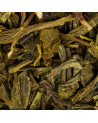
Organic Bancha Tea: a smooth green tea rich in aromas
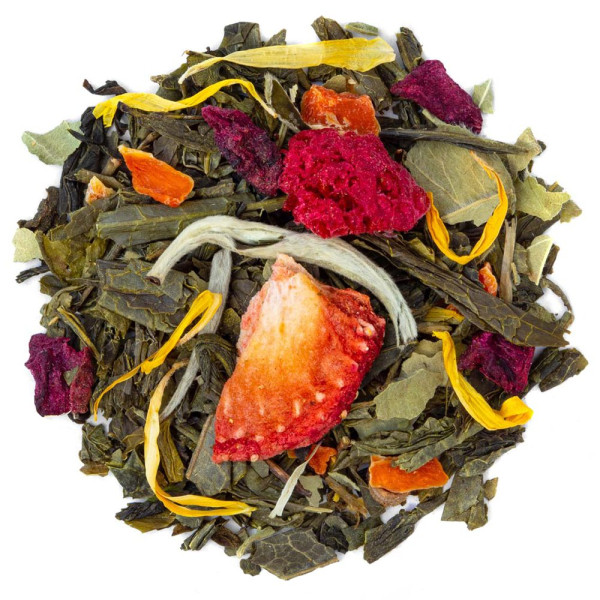
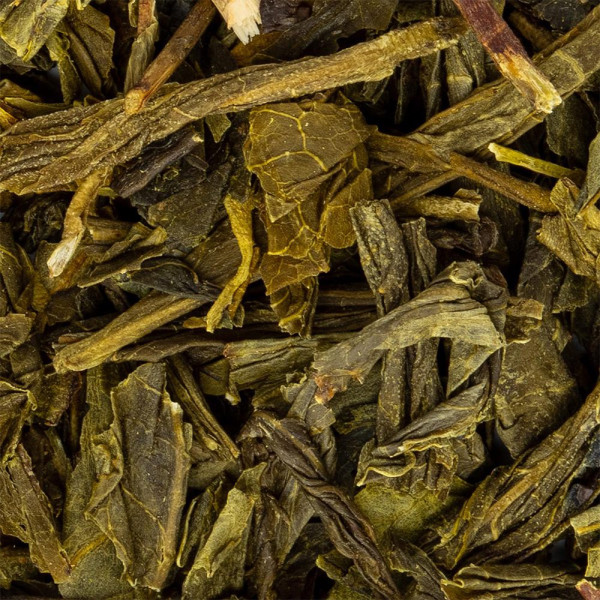
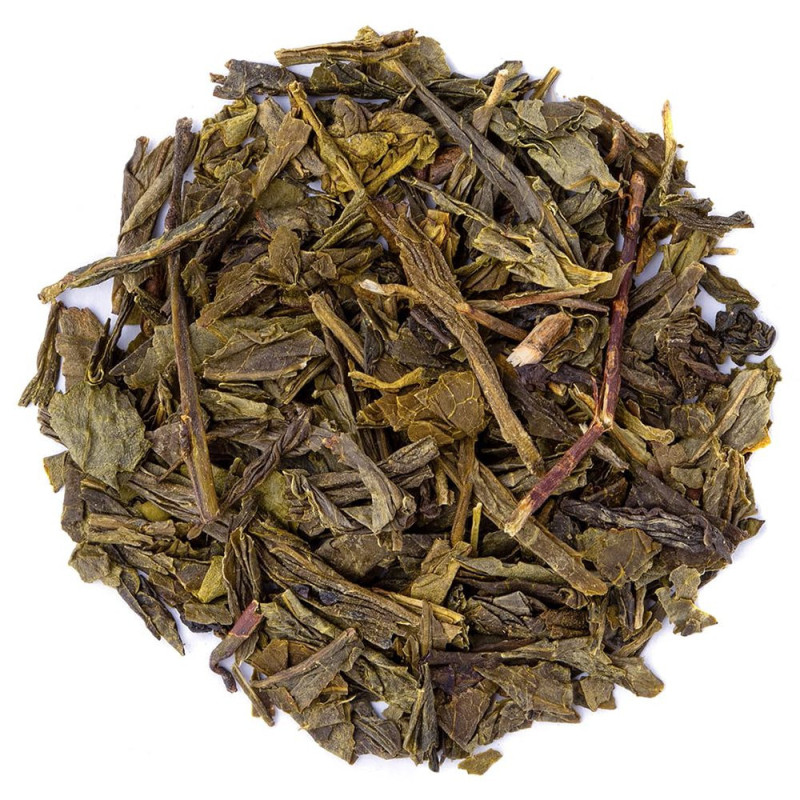
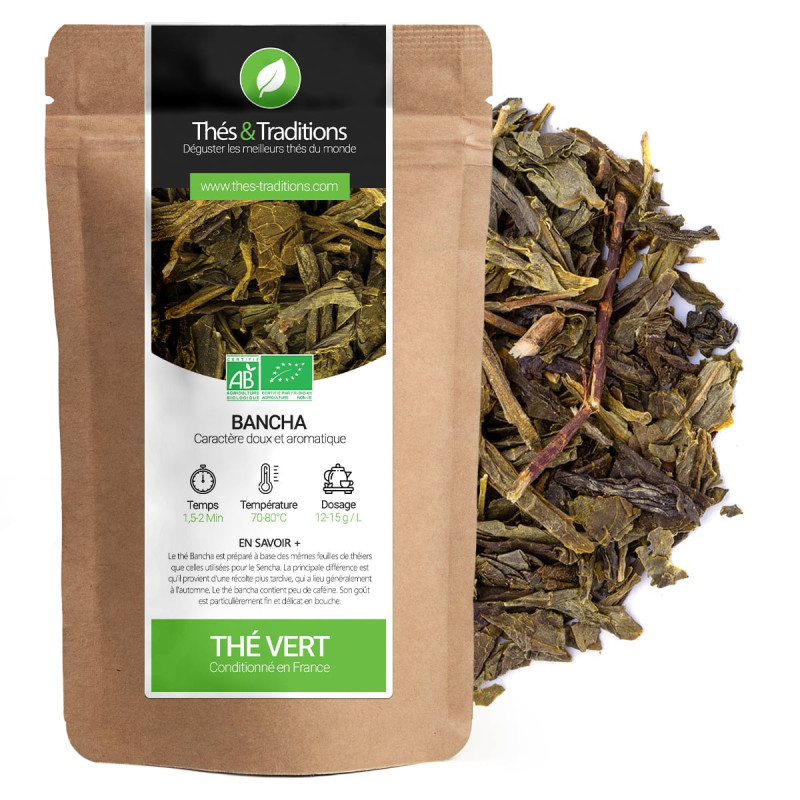
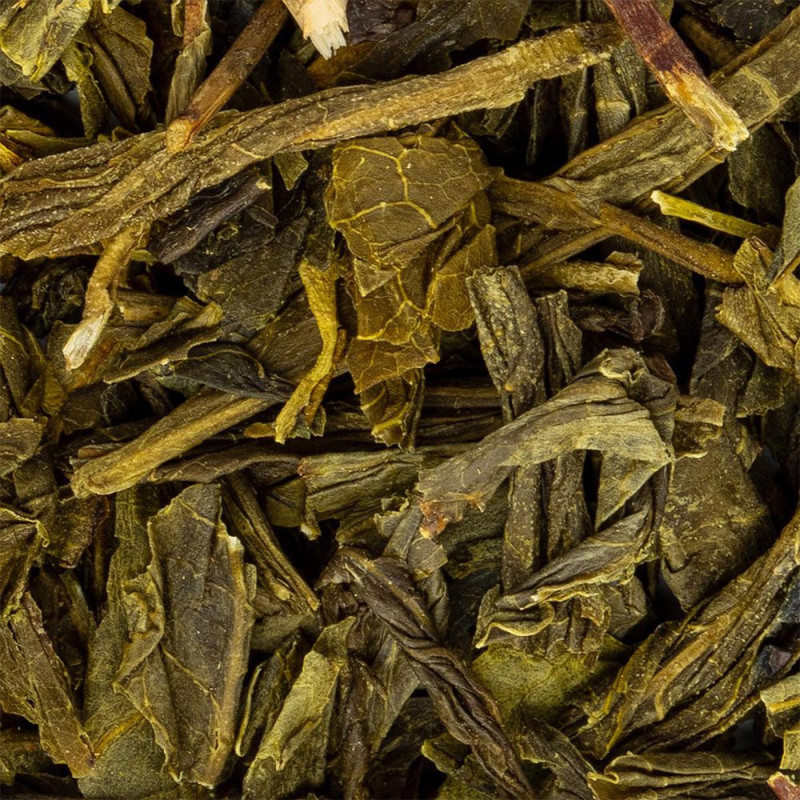
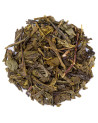
Bancha tea is prepared from the same tea plant leaves as those used for Sencha. The main difference lies in its later harvest, generally in autumn. Highly appreciated in Japan, it is consumed daily. Green tea Bancha contains little caffeine and offers a particularly fine and delicate taste in the mouth. It is made with large leaves from old tea plants, unlike most other teas which use young shoots. This characteristic gives it its dark green color and significant nutrient content. Traditionally, green tea is recognized for promoting good digestion (sources: EFSA on hold list - Camellia sinensis, EMA herbal monograph, European Pharmacopoeia).
Benefits and virtues of Bancha tea
Organic Bancha tea is appreciated for its traditional properties. Consumed regularly, it promotes good digestion. Rich in tannins, it contributes to a pleasant taste experience while providing essential minerals. Its low caffeine content makes it a tea suitable for consumption at any time of day.
Our tasting recommendations
How to prepare Bancha tea?
For preparing Bancha green tea, it is recommended to use low-calcium water. Let the leaves steep for approximately 2 minutes. To fully appreciate the delicate aromas of this infusion, it is important not to heat the water too much.
What quantity of Bancha?
The ideal quantity of Bancha tea for your infusion is approximately 12 to 15 grams per liter, or about 3 grams for a 150 ml cup. This dosage allows you to reveal the smoothness and finesse of the aromas characteristic of Bancha tea.
What is the ideal brewing temperature for Bancha tea?
To preserve the taste and nutritional quality of the tea, the recommended brewing temperature is between 70 and 80°C.
When to drink Bancha tea?
Thanks to its low caffeine content, Bancha can be consumed at any time of day. To benefit from its traditional properties related to digestion, it is advisable to drink it after meals.
Advantages of loose-leaf Bancha tea
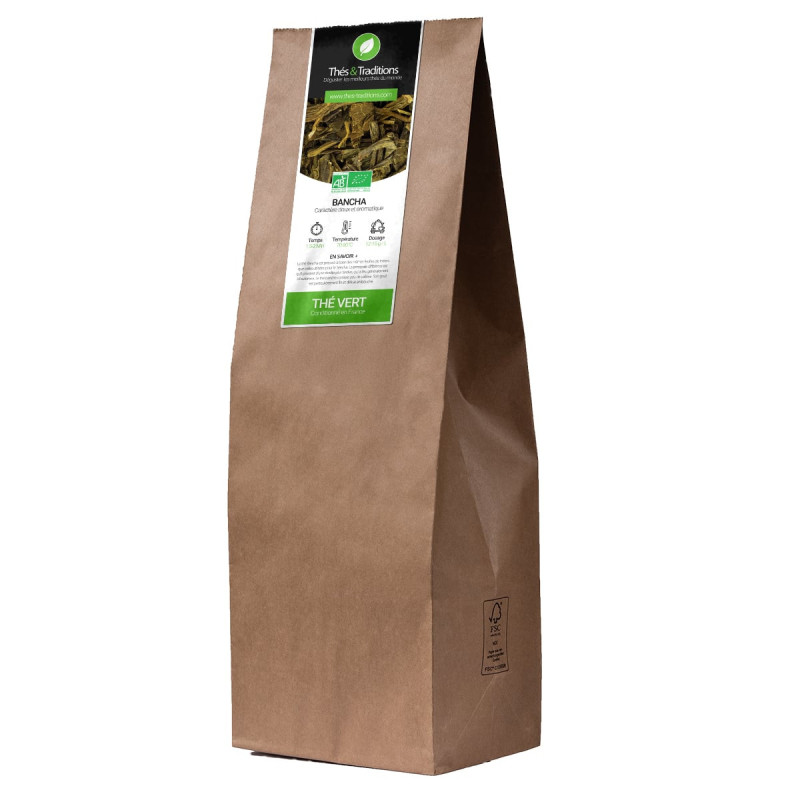
Choosing loose-leaf Bancha is an excellent option to preserve the freshness and aromas of your tea longer. Packaged in a resealable bag or metal tin, it remains perfectly preserved. This presentation method is not only more economical and ecological than individual bags, but also a guarantee of quality.
(The information above is based on traditional uses documented by the EMA and EFSA.)
Sources:
- EFSA on hold list - Camellia sinensis (ID 1234)
- EMA herbal monograph - Camellia sinensis
- European Pharmacopoeia