 Rooibos




Organic
 Main Note:
Orange, Mango, Apricot
Main Note:
Orange, Mango, Apricot
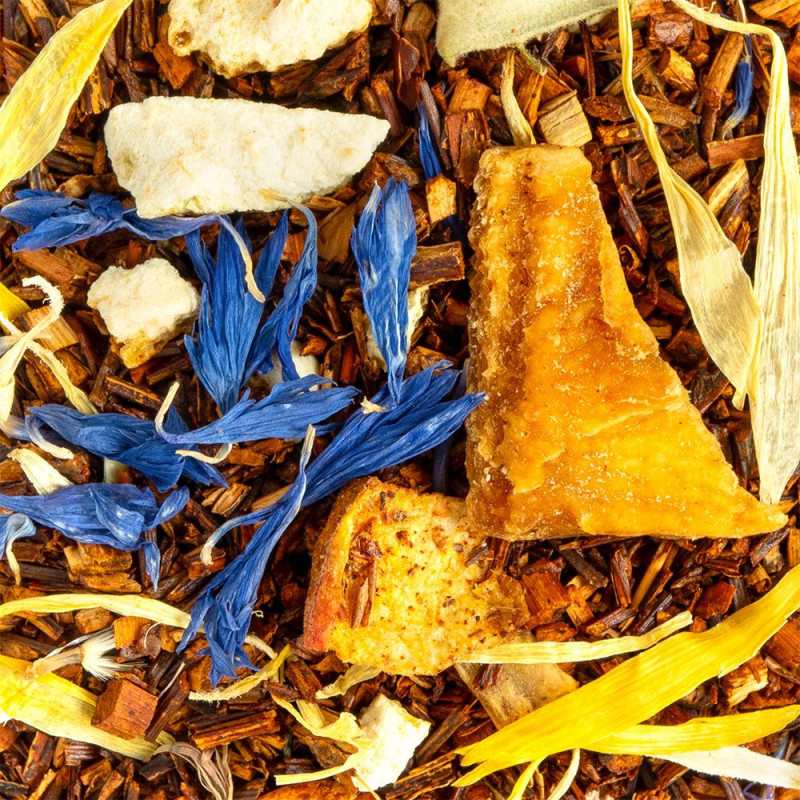
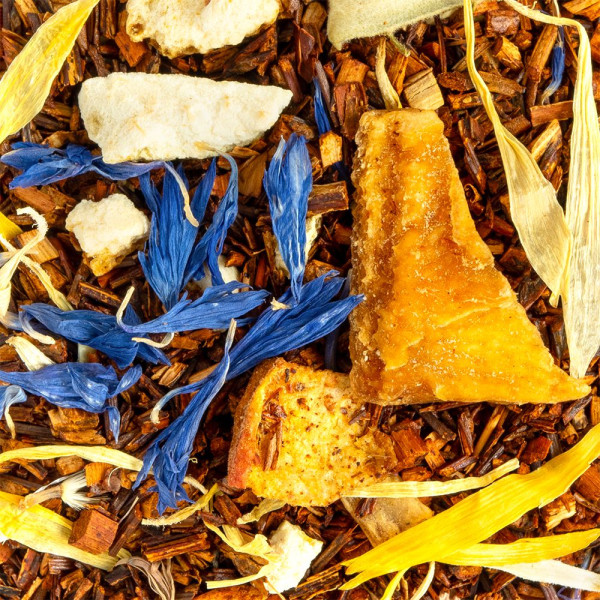
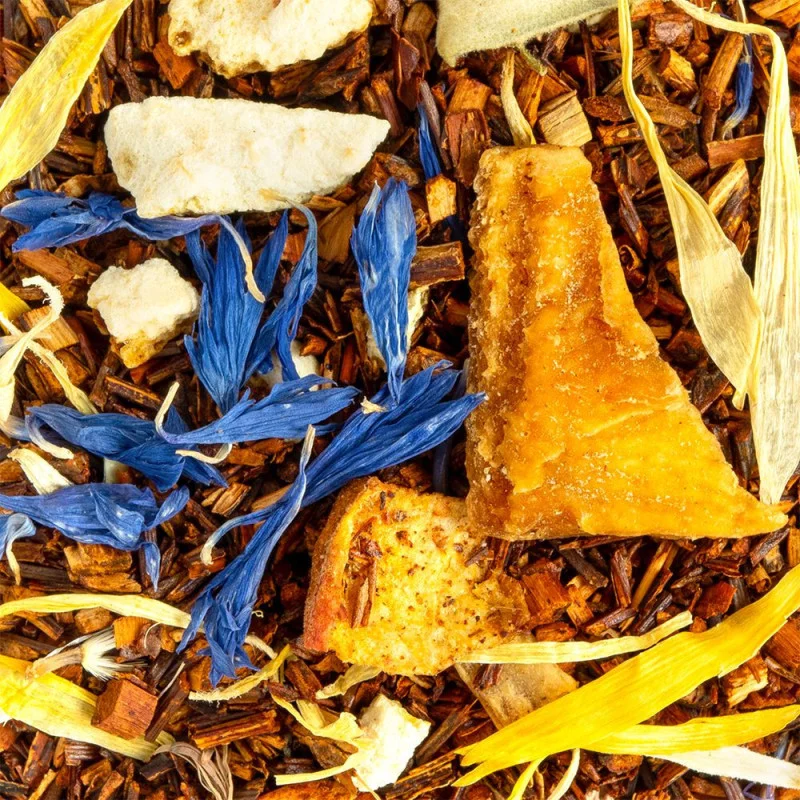
Our organic Blue Downs Rooibos brings together red rooibos with mango, orange and apricot, lifted by petals of rose, cornflower and marigold. A fruity, sun-warmed infusion, naturally caffeine-free, perfect from morning through to evening.
our expertise


In our workshop in Provence, each blend is handcrafted with passion by our team.
Real pieces of dried fruit, whole plants and carefully selected teas of origin.
Carefully crafted to create unforgettable tasting moments. A signature taste, an authentic experience.
In a nutshell: Rooibos Blue Downs, organic, a fruity mango-orange-apricot blend, naturally caffeine-free. Brewing: 100°C (212°F), 7 to 10 minutes, 15 to 20 g per litre of near-boiling water.
The Rooibos Blue Downs is one of our sunniest creations. Its base of organic rooibos, naturally smooth and woody, welcomes pieces of mango, orange peel and apricot to craft a cup that is fruity, rounded and full of light.
Rose petals, cornflower blossoms and marigold flowers add a delicate floral touch, dressing the blend in shades of blue and amber. Browse our selection of all our rooibos to continue exploring these caffeine-free infusions.
On the nose, orange peel releases a bright, fresh citrus scent. Mango then takes over with its juicy, sweet roundness, characteristic of sun-ripened fruit.
The heart of the cup reveals the woody, lightly vanilla-tinged softness of red rooibos, complemented by the gentle notes of apricot. On the finish, rose petals bring a refined floral length, never heavy.
This infusion is perfect for lovers of fruity herbal teas and for anyone looking for a naturally caffeine-free alternative to classic tea. It is equally delightful served hot or iced in summer.
To bring out the full aroma of this blend, bring a low-mineral water to 100°C (212°F). Use 15 to 20 g of leaves per litre, roughly a heaped tablespoon for a 250 ml cup.
Steep for 7 to 10 minutes in a teapot or a wide-enough infuser to let the fruit pieces and flowers open freely. Unlike tea, rooibos never turns bitter, even with a long steep.
For an iced version, double the amount of leaves, steep for 10 minutes hot, then pour over ice. A slice of fresh orange beautifully echoes the citrus character of the blend. Try Rooibos Blue Downs cold-brewed for a refreshing summer treat.
Keep your leaves in an airtight container, away from light, moisture and strong odours. An opaque metal tin or a dark glass jar will best preserve the natural orange and mango aromas as well as the freshness of the flowers.
Packed in our workshop, this rooibos keeps for around 24 months under good conditions. To learn more, visit our guide Everything You Need to Know About Rooibos.
What does mango orange rooibos taste like?
Rooibos Blue Downs has a fruity, sunny profile. Mango brings a juicy roundness, orange a bright citrus freshness, and apricot a tender sweetness. It all rests on the woody, naturally sweet base of organic red rooibos.
How do you brew mango orange rooibos?
Steep 15 to 20 g of leaves per litre of water at 100°C (212°F) for 7 to 10 minutes. Rooibos does not turn bitter with a longer steep. For an iced version, double the dose and pour over ice after brewing.
Where can I buy mango orange rooibos?
At Thés & Traditions, we carefully select our organic rooibos. You will find Blue Downs alongside other fruity creations, such as our mango passion rooibos, in our dedicated range.
What are the benefits of rooibos?
Rooibos is traditionally valued for its richness in polyphenols and its complete absence of caffeine, making it a drink suited to any time of day. According to the ANSES, regular hydration supports the normal functioning of the body, and caffeine-free infusions contribute fully to this.
What varieties of rooibos are available?
Rooibos comes in both plain and flavoured versions: red fruits, citrus, exotic fruits, spices or floral blends. To learn more about the plant and its terroir, explore the origins of rooibos.
Julien Huot, founder of Thés & Traditions, personally selects every rooibos to ensure the aromatic quality and organic origin of our blends.
Our brewing guidelines and general information on infusions are based on the public recommendations of the EFSA and ANSES regarding hydration and the consumption of plant-based beverages.


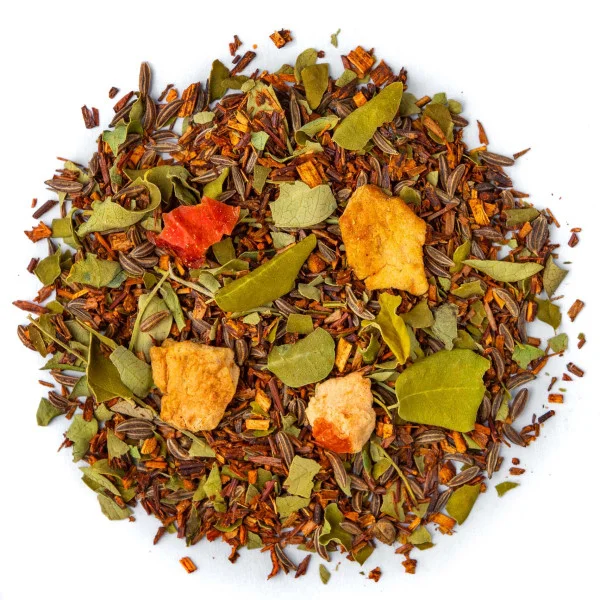
Rooibos with apple and caramel, caffeine-free

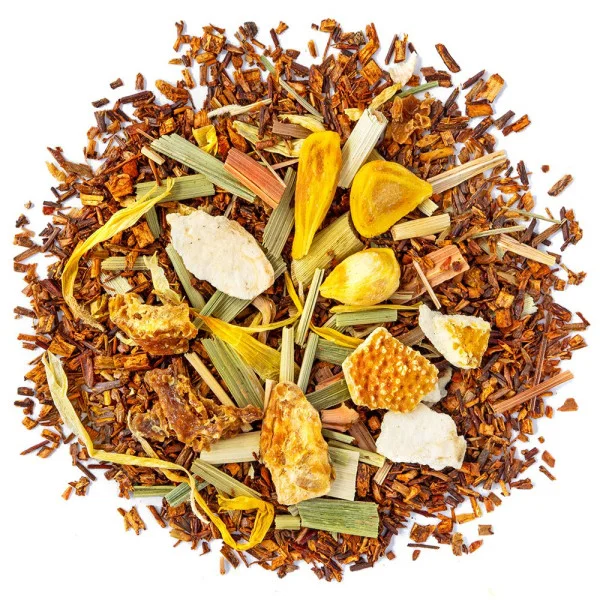
A rooibos for all lemon lovers!

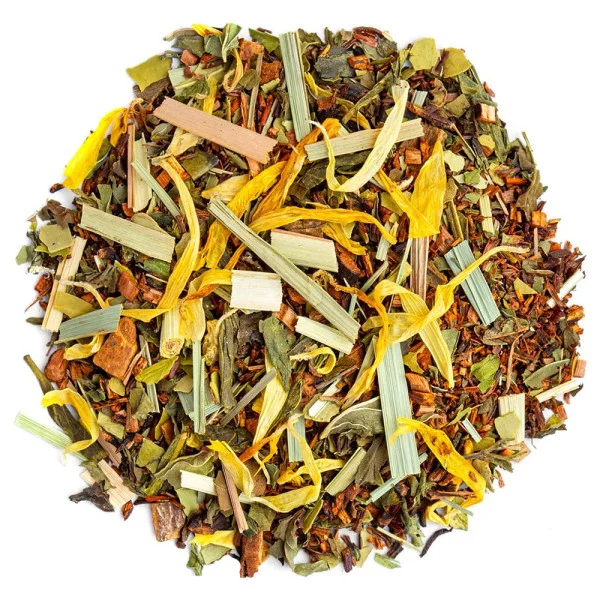
A blend of Rooibos and Honeybush to gently awaken your body
French House
Independent since 2016.
Fast delivery
Home delivery or click & collect.
Made with heart
In the south of France.
Customer service
A real voice at the end of the line,
Monday to Friday: 04 22 91 35 75.
Sharing, passing it on: our teas, our tips, the occasional unexpected idea, and little attentions just for you. Pure pleasure, ready to steep.