 Black Tea




Organic LOVE PICK
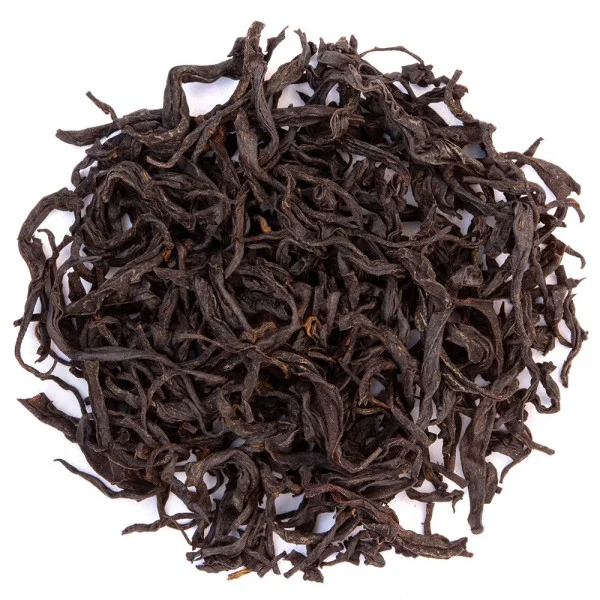
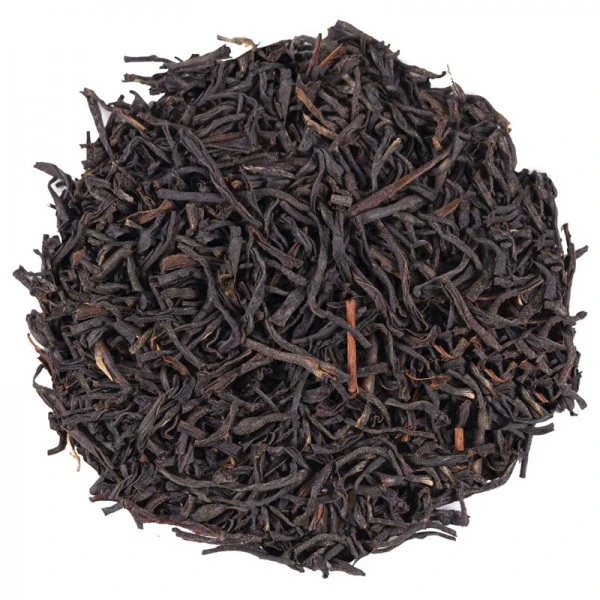
Rwanda Rukeri OP-1
Black tea from Africa. A full-bodied and aromatic flavor
 Main Note:
Mango, Pineapple
Main Note:
Mango, Pineapple
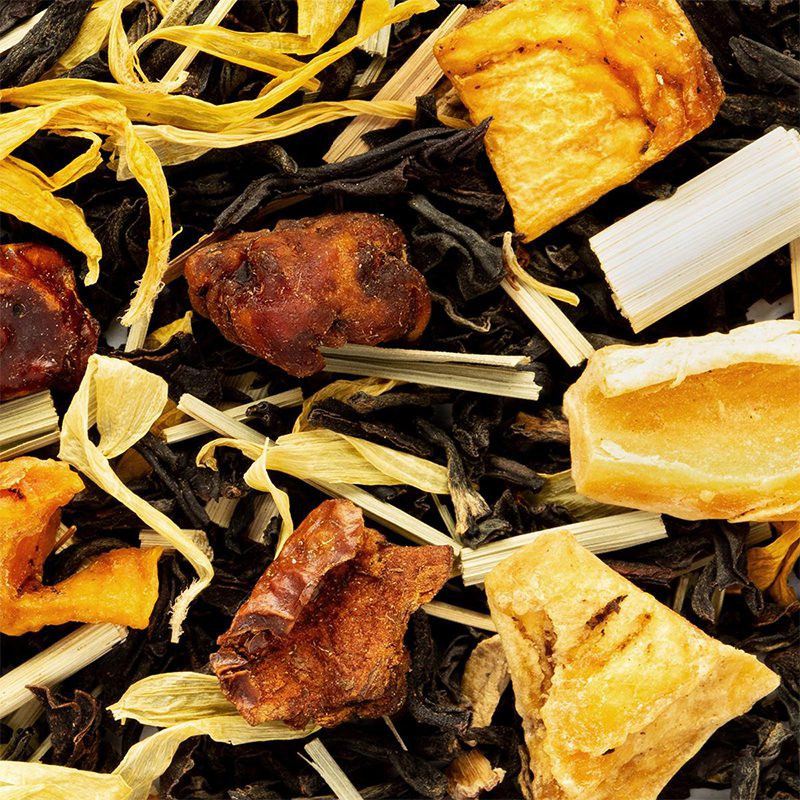
Langminso organic black tea is a truly sun-ripened pineapple tea, where juicy mango meets zesty lime. Built on a South Indian Assam base, this indulgent blend unfolds vibrant fruity and exotic notes for a bright, lively infusion. Perfect in the morning or any time of day.
our expertise


In our workshop in Provence, each blend is handcrafted with passion by our team.
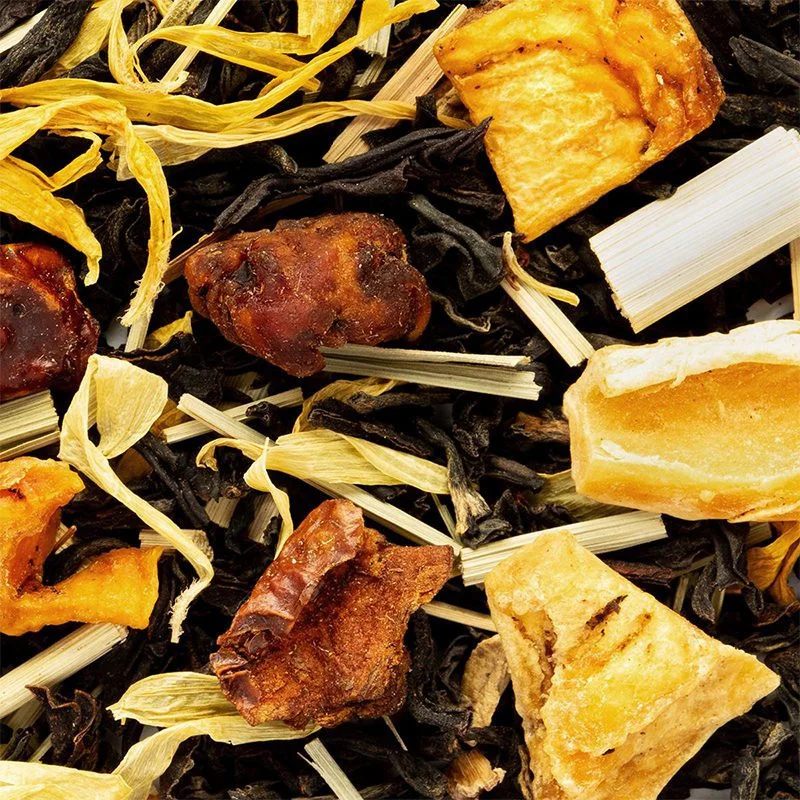
Real pieces of dried fruit, whole plants and carefully selected teas of origin.
Carefully crafted to create unforgettable tasting moments. A signature taste, an authentic experience.
At a glance: Langminso organic black tea, an exotic and indulgent pineapple tea blending juicy mango, zesty lime and bright ginger over a South Indian Assam black tea base. Brewing: 100°C, 3 to 5 minutes, 12 to 15 g/L.
Picture a cup where sweet pineapple dances with luscious mango, where lime steps in to awaken the Assam leaves with its tangy freshness. Langminso is one of our most sun-drenched blends, crafted to turn a simple break into an exotic sensory escape.
This creation from Thés & Traditions, selected by Julien Huot, celebrates sun-ripened fruits on a robust black tea base. It's a generous, vibrant brew, perfect for lovers of fruity teas and curious souls eager to explore a new side of black tea. our classic black teas to continue this flavour journey at your own pace.
Langminso is a richly layered blend, conceived as a stroll through a tropical orchard. The Assam black tea base, grown organically in South India, brings a rounded, lightly malty warmth that anchors the blend and gives it its backbone.
In the top notes, lime sparkles immediately. The lime essential oil and natural lemon aroma deliver a lively, almost effervescent opening that tickles the palate from the very first sip. Lemongrass extends this freshness with its herby, zesty signature, so characteristic of tropically inspired infusions.
In the heart notes, pineapple and mango take over. Mango pieces and natural mango aroma settle in with a tropical sweetness that feels almost creamy. Pineapple brings that bright, sun-soaked sparkle, while papaya adds a delicate honeyed note, barely perceptible yet essential to the overall balance.
In the base notes, ginger unfolds its spiced warmth, gently lingering and pleasantly extending the finish. Morello cherry slips in a lightly tart, almost candied touch that contrasts beautifully with the sweetness of the pineapple. Calendula flowers punctuate the whole with a floral nuance and a vivid golden colour in the cup.
Apple, a quiet but structural ingredient, brings a juicy roundness that binds all the fruits together. It acts as a unifying thread, softening any sharp edges from the lime and smoothing the bright heat of the ginger.
The result? An exotic, indulgent infusion that never tips into cloying sweetness, where every sip tells a different fruity story. A vibrant, colourful cup, like a summer sun captured in the teapot. If you love this tropical profile, also explore our Mango Pineapple Summer Sun herbal infusion for a caffeine-free variation that's equally radiant.
In terms of texture, the liquor is full and round in the mouth, with a lightly astringent finish typical of Assam black tea, quickly softened by the lingering fruitiness. A cup best enjoyed as it is, without sugar, the balance between sweetness and freshness is that well-judged.
Brewing a great pineapple tea calls for a few simple but important steps. Langminso reveals its full aromatic range with the following parameters, refined by our team through many tastings.
The water: bring a low-mineral water to 100°C. A spring or filtered water is ideal, as hard water can mask the delicate fruity notes of mango and pineapple. Avoid heavily calcified tap water, which dulls the liquor and diminishes the freshness of the lime.
The dose: use 12 to 15 grams of leaves per litre of water, roughly one heaped tablespoon for a large 250 ml cup. This generous dose allows the fruit pieces to infuse fully and release their natural aromas.
Steeping time: steep for 3 to 5 minutes. At 3 minutes, the cup is softer and lime-forward. At 5 minutes, the Assam black tea character comes through more fully, with a more pronounced woody roundness and a gentle astringency that defines the profile. Taste as you go and adjust to your preference.
Accessories: use a wide-filter teapot or a sufficiently spacious tea infuser. The pineapple, mango and papaya pieces need room to open up and release their natural sugars. Narrow tea bags restrict the blend's aromatic expression.
A house tip: for a perfect iced version in summer, double the dose (24 to 30 g/L), steep for 5 minutes at 100°C, then pour immediately over ice. Add a slice of fresh lime and a few mint leaves. The result is a refreshing, fragrant drink that showcases the exotic fruits beautifully.
You can also try a cold brew: 15 g of leaves in one litre of cold water, left in the fridge for 8 to 12 hours. The liquor will be smoother, more floral, with very little bitterness. Try our Piña Colada green tea alongside to compare fruity approaches across two different bases.
To explore this category further, take a look at the essential black teas according to experts and our green tea vs. black tea comparison.
To preserve the aromatic vibrancy of Langminso, store the leaves in an airtight container, away from light, moisture, strong odours and temperature fluctuations. Our resealable kraft pouch, prepared in our workshop, already protects the blend from the main enemies of tea.
Ideally, transfer the leaves to an opaque metal or ceramic tin once opened. Avoid the fridge, which causes condensation. For the best experience, consume within 12 to 18 months of opening to fully enjoy the freshness of the lime and mango.
What are the benefits of pineapple tea?
Pineapple tea is first and foremost a pleasure infusion, appreciated for its exotic, refreshing profile. Langminso combines the aromatic richness of Assam black tea with the indulgence of tropical fruits. It's a comforting cup, ideal for starting the day or enjoying a fruity afternoon break.
How do you brew a pineapple tea?
Bring low-mineral water to 100°C. Use 12 to 15 g of leaves per litre, roughly one heaped tablespoon for 250 ml. Steep for 3 to 5 minutes depending on your preferred intensity. Use a wide-filter teapot to give the fruit pieces room to open up.
Where can I buy pineapple tea?
You'll find our Langminso and all our other fruity creations directly on the Thés & Traditions website, a French tea house founded by Julien Huot. Our selection includes several pineapple-based blends, on black tea and green tea bases, as well as caffeine-free herbal infusion versions.
What does pineapple tea taste like?
The dominant flavours in Langminso are sweet pineapple and juicy mango, lifted by the brightness of lime and the warmth of ginger. Morello cherry adds a tart edge, and papaya brings a honeyed note. All of this rests on a woody Assam black tea base.
What types of pineapple tea are there?
There are several variations: black teas like Langminso for a round, malty base; green teas for a more vegetal profile; and caffeine-free herbal infusions for the evening. Explore for example our Misamari black tea, our vanilla black tea or our Petit Biscuit black tea to discover more indulgent facets of organic black tea.

Black tea from Africa. A full-bodied and aromatic flavor

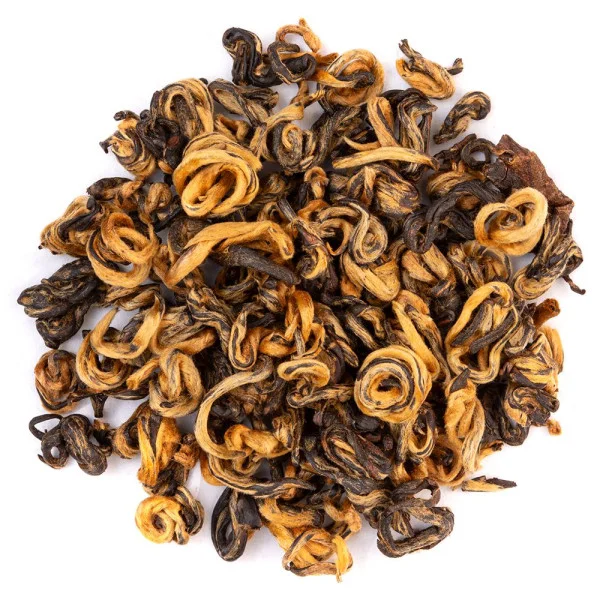
This exclusive Keemun has been turned in the sweet steam of honeybee honey

Hand-rolled into small snail-shaped balls.

French House
Independent since 2016.
Fast delivery
Home delivery or click & collect.
Made with heart
In the south of France.
Customer service
A real voice at the end of the line,
Monday to Friday: 04 22 91 35 75.
Sharing, passing it on: our teas, our tips, the occasional unexpected idea, and little attentions just for you. Pure pleasure, ready to steep.