Organic LOVE PICK
Sencha Matcha
Delicate blend of Sencha and Matcha powder
 Main Note:
Pure
Main Note:
Pure
Why do the Japanese traditionally drink Bancha as their everyday tea? This unassuming green tea holds some quietly remarkable qualities. Harvested from the last leaves of the season, Bancha embodies the very essence of Japanese tradition: simple, genuine, and nourishing. Naturally low in caffeine, it makes a wonderful companion for your daily wellbeing, offering all the goodness of a quality green tea without the stimulating effects. Its delicate aroma and pleasant, grassy flavour make it the perfect choice from morning to evening, every day.
our expertise


In our workshop in Provence, each blend is handcrafted with passion by our team.
Real pieces of dried fruit, whole plants and carefully selected teas of origin.
Carefully crafted to create unforgettable tasting moments. A signature taste, an authentic experience.
Our Japanese Bancha is the authentic Japanese version of the well-loved everyday green tea. Sourced directly from Japanese domestic production, primarily from the renowned prefectures of Shizuoka and Kagoshima, it is made from more mature leaves than Sencha, harvested during the second, third or fourth flush of the year (nibancha, sanbancha, yonbancha). This distinctly Japanese characteristic gives it a rounder, less astringent flavour and, above all, a naturally lower caffeine content. Our Japanese Bancha is a wonderful introduction to Japanese green tea in its purest, simplest form, and just as suited to drinking in generous quantities throughout the day, from morning to evening.
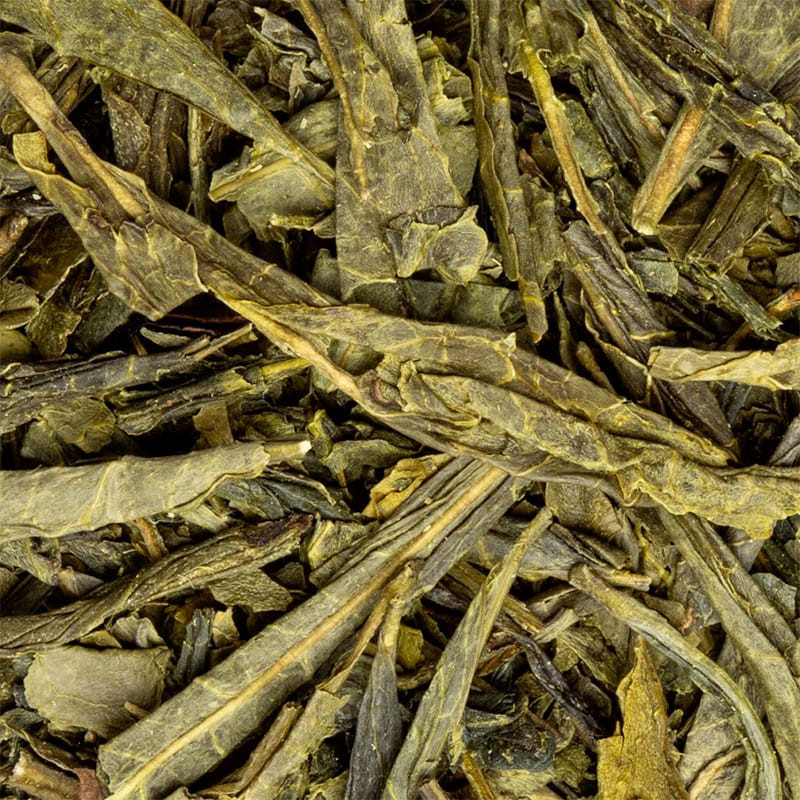
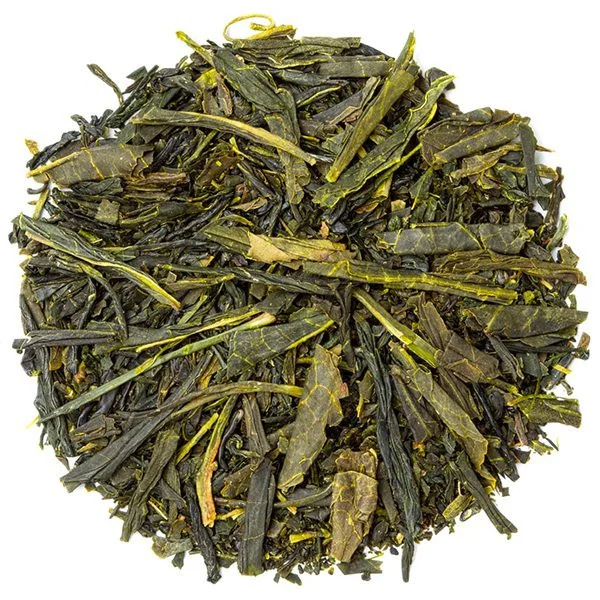
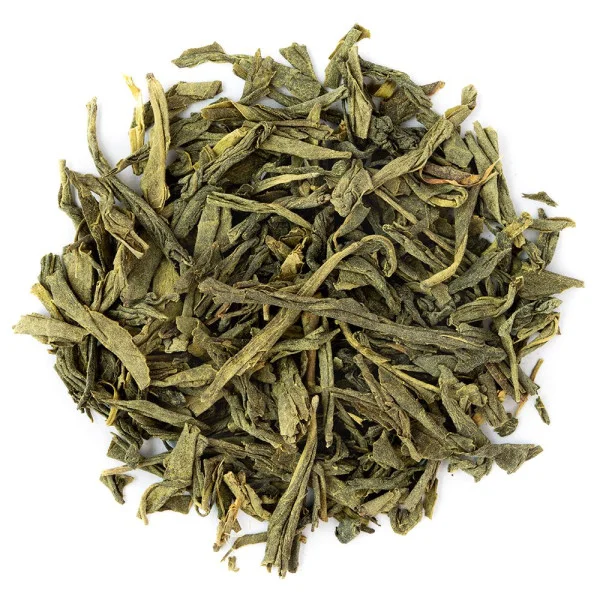
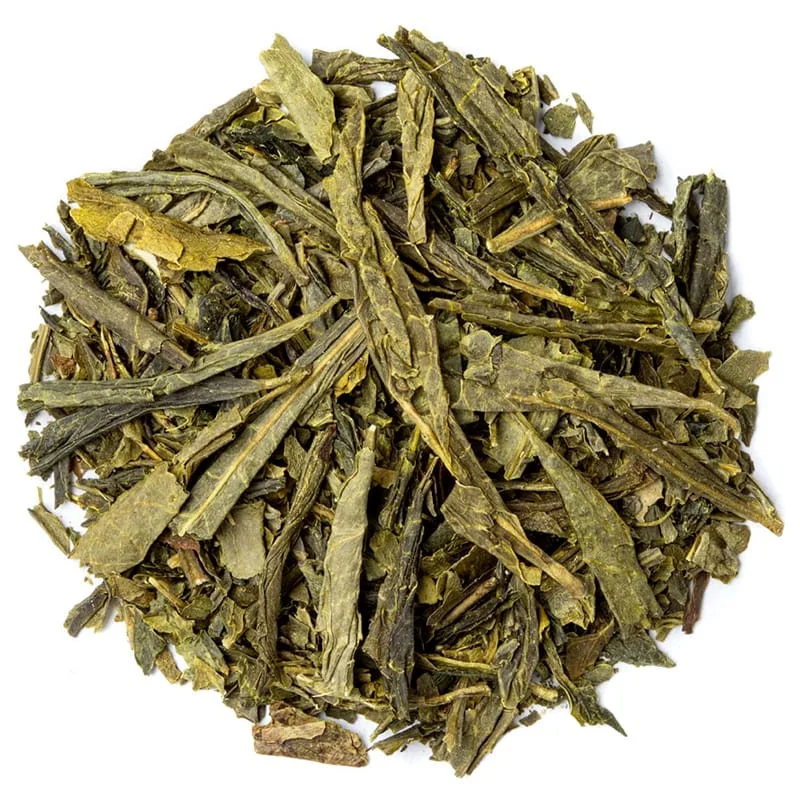
Our Japanese Bancha is cultivated following traditional Japanese production methods: hand-picking, steam fixation, rolling and drying. The resulting leaves are broader and firmer than those of Sencha, a jade green tending towards yellow-green, sometimes blended with a few fine stems for that rustically Japanese character.
Good to know: if you are looking for an organic-certified Bancha, you may also enjoy our Chinese Organic Bancha Green Tea, grown in China using the same Japanese-inspired method.
In Japan, the Bancha harvest runs from early summer through to autumn. The word "ban" (晩) means "late" in Japanese: Bancha is therefore the tea of the late harvests, as opposed to "ichi" (first), or ichibancha, the spring Sencha. This extra maturity transforms the leaves, which develop more gentle tannins while losing theanine, explaining the very different flavour profile compared to its elder sibling, Sencha. Our Japanese Bancha comes from a Japanese partner producer via a short supply chain, ensuring optimum freshness and full traceability. Good to know: when roasted, this same Japanese Bancha becomes the celebrated Hojicha, the roasted green tea with its characteristic toasty notes so emblematic of Japanese tradition.
In the cup, the liquor opens with a bright golden-yellow colour, occasionally a pale clear green, lighter than that of a Sencha. On the nose: dry hay, straw, fresh-cut grass, gentle woody notes and a subtle roasted hint, releasing a refreshing, distinctly Japanese fragrance. On the palate, the flavour is soft and round, smooth and thirst-quenching, with little astringency and a clean, clear finish. Far less bitter than Sencha when properly brewed, it is a wonderfully approachable tea, ideal for beginners and for rounding off a meal. This gentle character is precisely why Japanese Bancha holds such an important place in the daily cooking and rituals of Japanese families.
Japanese Bancha contains very little caffeine thanks to the maturity of its leaves, making it one of the most suitable green teas for everyday drinking, even later in the day. It is well suited to those sensitive to caffeine, to children, to pregnant women (in moderate quantities), and to anyone who enjoys a gentle tea at any hour. Rich in catechins, the antioxidant polyphenols characteristic of green teas, it also provides valuable nutrients: minerals (calcium, potassium, magnesium, iron), traces of vitamin C and the amino acid l-theanine. It is traditionally associated with supporting the immune system and protecting against cellular ageing. Widely used in macrobiotics and traditional Japanese cuisine, this Japanese Bancha fits naturally into many balanced lifestyles.
Bancha adapts to every moment of the day: morning (a gentle alternative to coffee), afternoon, after meals (as a digestive), and even in the evening thanks to its low caffeine content. It is an excellent companion to Asian cuisine, miso soups, rice dishes and sushi. Its rounded, mellow character also makes it the perfect tea to drink in larger quantities (1 to 2 litres a day), in the tradition of Japanese families.
Keep your Japanese Bancha in its original resealable pouch, away from light, moisture and strong odours, in a cool, dry place. Ideally, store it in an airtight, opaque caddy. Consume within twelve months of opening to preserve the freshness of the aromas.
Our Japanese Bancha is sourced directly from a Japanese partner producer, grown using traditional conventional methods (not organically certified). A wonderful everyday tea to discover alongside our other Japanese teas (Sencha, Hojicha, Genmaicha, Matcha, Gyokuro) and our organic green tea range, including our Chinese Organic Bancha.

Delicate blend of Sencha and Matcha powder

Japanese Green Tea with Cherry Blossom Flavours

Refined Japanese green tea, fresh, briny, rich in benefits

Like Gyokuro, Kabusecha is a shade-grown tea
French House
Independent since 2016.
Fast delivery
Home delivery or click & collect.
Made with heart
In the south of France.
Customer service
A real voice at the end of the line,
Monday to Friday: 04 22 91 35 75.
Sharing, passing it on: our teas, our tips, the occasional unexpected idea, and little attentions just for you. Pure pleasure, ready to steep.