 Japanese Tea


Organic
its own success
Kabusecha Asuka
Like Gyokuro, Kabusecha is a shade-grown tea
 Main Note:
Pure
Main Note:
Pure
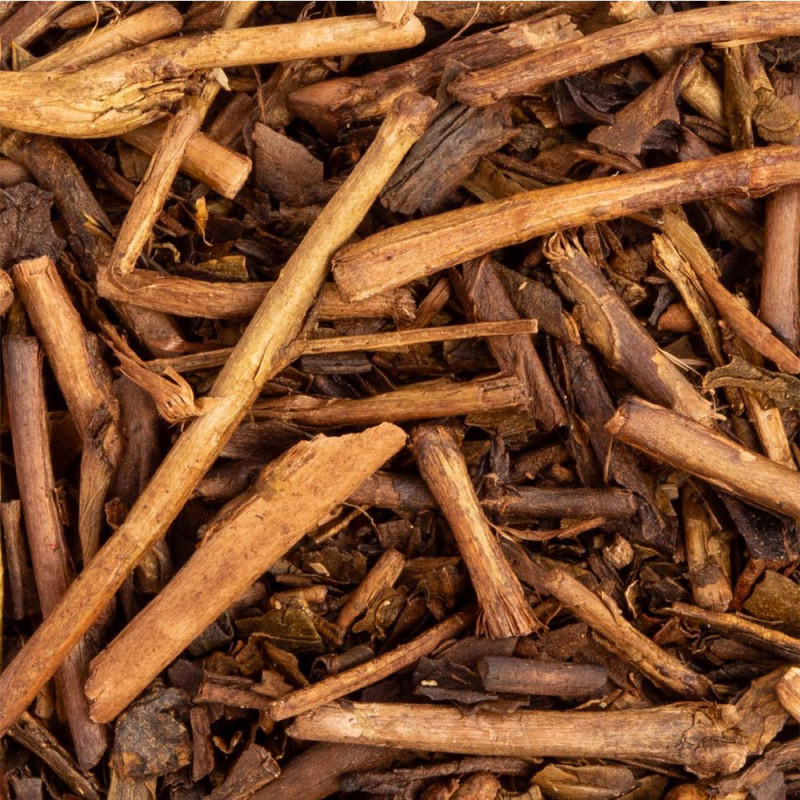
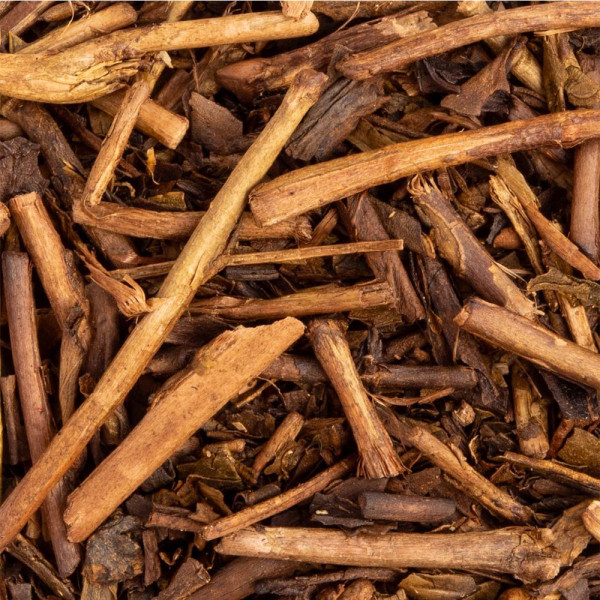
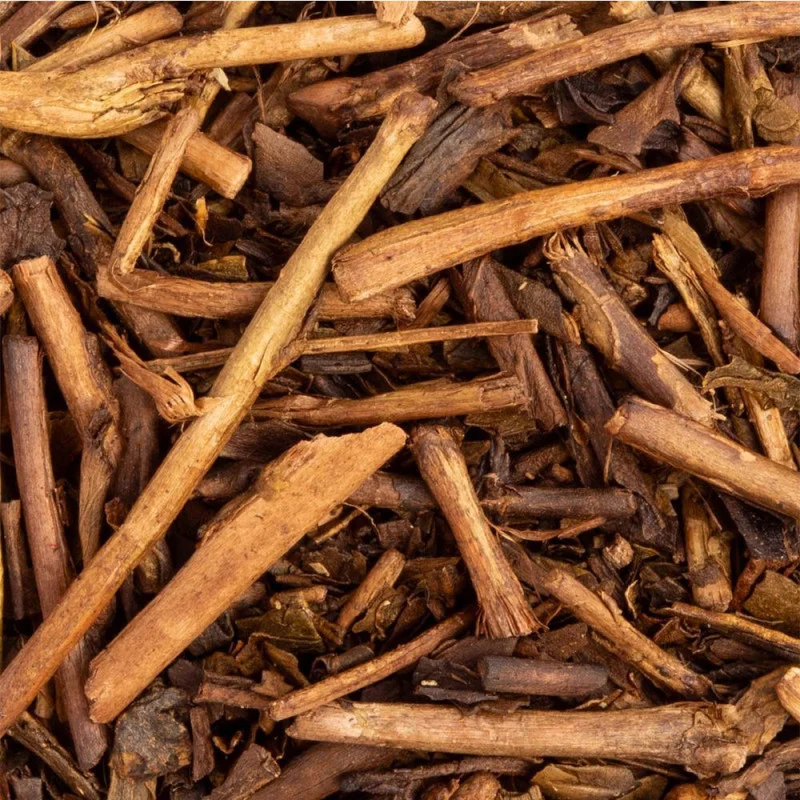
Our organic Hojicha green tea is a roasted Japanese tea with copper-hued leaves, naturally low in caffeine. Its slow roasting brings out a woody, caramelised flavour with an almost chocolatey depth. A smooth, comforting cup to enjoy from morning to night.
our expertise


In our workshop in Provence, each blend is handcrafted with passion by our team.
Real pieces of dried fruit, whole plants and carefully selected teas of origin.
Carefully crafted to create unforgettable tasting moments. A signature taste, an authentic experience.
At a glance: organic Hojicha green tea from Japan, roasted at high temperature. Woody, toasty, caramel notes. Brew at 70-80°C for 2-3 min, 12-15 g/L. Low in caffeine, perfect for evenings and throughout the day.
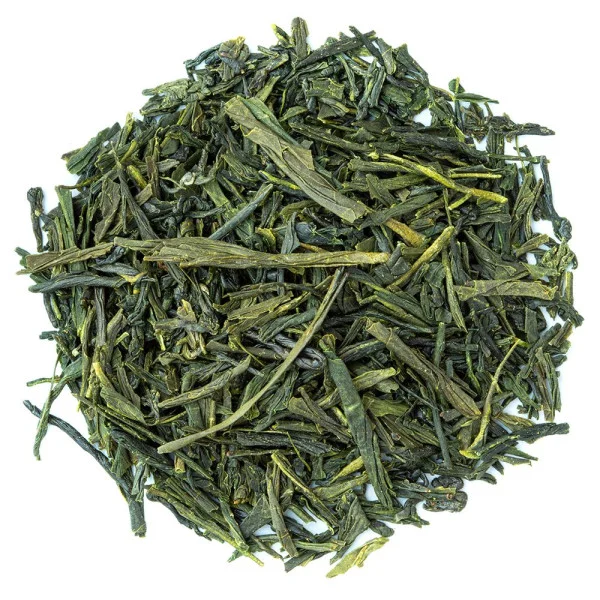
Hojicha holds a special place in the Japanese green tea family. Where Sencha hums with grassy freshness and Gyokuro unfolds its deep umami, Hojicha takes the path of fire. Its leaves go through a roasting process that turns them from green to copper, releasing a warm, almost toasty fragrance.
Born in Japan in the 1920s in Uji, near Kyoto, this tea is traditionally made from mature Bancha leaves or stems. Roasting in heated drums transforms both flavour and colour: astringency gives way to gentleness. To continue your journey through Japan, explore our Japanese tea selection.
Opening the bag is like stepping into a bakery at dawn. The nose first picks up notes of roasted hazelnut and toasted bread, sometimes with a hint of golden caramel. Nothing sharp or aggressive: Japanese roasting is measured and elegant, with no burnt bitterness.
In the cup, the golden, almost amber infusion surprises with its roundness. The first sips reveal woody and chocolatey aromas, followed by a gently sweet finish reminiscent of chestnut or brown sugar. The texture is silky, free of harsh tannins, making this an exceptionally approachable tea.
This softness comes from both the raw material (older leaves and stems, lower in catechins) and the roasting itself, which breaks down many of the bitter compounds. The result is a tea you can drink as it is, no sugar, no milk, in complete simplicity.
If you enjoy this warming profile, you may also love our Kukicha Kaede green tea, also made from stems, or our powdered version for indulgent recipes. Browse our Japanese tea selection to create your own sensory journey.
Brewing Hojicha is refreshingly simple, and that is one of its finest qualities. Unlike more delicate Japanese green teas such as Gyokuro, it forgives variations in temperature and steeping time. Ideal for an effortless pause.
Dosage: 12 to 15 grams per litre, roughly one heaped tablespoon for a large teapot. Roasted leaves are light and voluminous, so feel free to be generous.
Temperature: between 70 and 80°C. No need for boiling water, which is a welcome simplicity: a kitchen thermometer or a two-minute wait after boiling is all you need.
Steeping time: 2 to 3 minutes. Beyond that, the brew remains pleasant, never tipping into bitterness. This is one of the few teas you can forget about for a moment without ruining it.
The Hojicha latte has become a signature of contemporary tea rooms. Brew a concentrated infusion (18 g/L for 3 minutes), strain, then add warm frothed milk (oat, almond or dairy, whichever you prefer). A drizzle of maple syrup or honey brings out the caramelised notes beautifully.
For an even creamier powdered version, whisk as you would Matcha using a chasen. The powder dissolves instantly, giving a light, golden, irresistible foam.
Steep 15 g of leaves in one litre of cold water for 4 to 6 hours in the fridge. Cold brewing draws out all the sweetness with none of the bitterness. Serve over ice, with a slice of lemon or a few fresh mint leaves if you like.
Hojicha has one particularly valuable quality: its low caffeine content. Roasting and the use of mature leaves naturally reduce caffeine levels, making it one of the gentlest green teas on the body. That is why it is so often enjoyed in the evening, without any concern about disturbing sleep.
Like all green teas, it contains polyphenols, including catechins, whose antioxidant properties are well documented. The EFSA highlights the role of plant polyphenols in protecting cells against oxidative stress, while the ANSES notes that tea contributes to healthy daily hydration as part of a balanced diet.
Its gentleness also makes it a welcome digestive companion after a meal. Warm, low in caffeine, free from astringency: everything you need to close an evening softly, much like a decaffeinated coffee, but far more subtle.
Julien Huot, founder of Thés & Traditions, personally selects this organic harvest from producers committed to traditional Japanese roasting methods. Try this Hojicha green tea and discover a new calming ritual for the end of the day.
Roasted leaves are less prone to oxidation than unroasted green teas, but they remain sensitive to moisture and strong odours. Keep your pouch tightly sealed, in an opaque container, away from light and far from spices.
At room temperature (18-22°C), your tea will hold its full aroma for 12 to 18 months. Avoid the fridge, as temperature changes cause condensation. Packed in our workshop, it reaches you at its freshest.
What is Hojicha?
Hojicha is a Japanese roasted green tea, originating in Uji near Kyoto. Its leaves, often from mature Bancha, are tumbled in heated drums that give them a copper colour and a toasty, woody, caramelised flavour quite unlike classic green teas.
How do you make a Hojicha latte?
Steep 18 g of leaves in 250 ml of water at 80°C for 3 minutes. Strain, then add 150 ml of warm frothed milk (oat, almond or dairy). Sweeten with a little maple syrup or honey to highlight the caramelised notes.
What are the benefits of Hojicha?
Naturally low in caffeine, it is well suited to evenings and those sensitive to caffeine. Rich in antioxidant polyphenols, it supports hydration and makes a pleasant digestive drink, thanks to its mellow flavour and lack of astringency.
Where can I buy organic Hojicha?
Thés & Traditions offers this organic Hojicha, sourced directly from Japanese producers who follow traditional roasting methods. Also explore our Gyokuro Kusanagi green tea and our premium Sencha Konomi green tea to deepen your discovery.
How long should you steep Hojicha?
Allow 2 to 3 minutes in water at 70-80°C, using 12 to 15 g of leaves per litre. Hojicha handles slightly longer steeps well without turning bitter, unlike more delicate green teas.
Our information draws on authoritative publications in food safety and nutrition, including the EFSA (polyphenols and oxidative stress), the ANSES (recommendations on tea and hydration) and research available on PubMed on green tea catechins. To go further, read our guide to Hojicha, Genmaicha and Gyokuro: three Japanese green teas.

Like Gyokuro, Kabusecha is a shade-grown tea

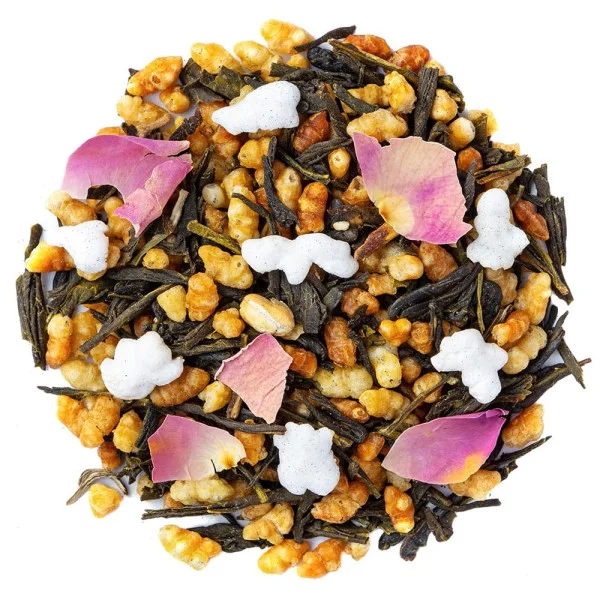
Japanese Green Tea with Cherry Blossom Flavours

Velvety Japanese specialty, roasted, with toasted aromas

The perfect harmony between Japanese tradition and gentle sweetness
French House
Independent since 2016.
Fast delivery
Home delivery or click & collect.
Made with heart
In the south of France.
Customer service
A real voice at the end of the line,
Monday to Friday: 04 22 91 35 75.
Sharing, passing it on: our teas, our tips, the occasional unexpected idea, and little attentions just for you. Pure pleasure, ready to steep.