Darjeeling Black Tea: The Champagne of Teas

Grown primarily in India, Darjeeling black tea is the most widely consumed tea in the United Kingdom. Enjoyed plain or with a splash of milk, it forms the heart of the iconic "cup of tea" — as welcome at breakfast as it is at tea time. Whether loose-leaf or in tea bags, this celebrated black tea has a taste all its own: light yet invigorating. Brewing it well means paying attention to its flush. Here is a closer look at the mysteries of this Himalayan tea.
What is organic Darjeeling black tea?
Darjeeling black tea has earned the nickname the champagne of teas. Its refined character and singular taste make it one of the most sought-after infusions in the world. This legendary organic black tea holds a special place in the hearts of tea lovers across Britain and beyond.
Where does organic Darjeeling black tea come from?
India was originally known for its Assam black tea. In the mid-19th century, however, the British sought a more aromatic tea with greater fragrance. They planted Chinese tea plants in the Darjeeling region, and the area gradually transformed into a vast garden of tea. The reputation of this tea grew quickly, and demand followed. Today, it holds a protected geographical indication.
The leaves of organic Darjeeling tea flourish at altitudes above 1,300 metres. On the slopes of the Himalayas in India, the tea plants form sweeping gardens that stretch toward the sky. Growing slowly in this rarefied air, the leaves develop an exceptional depth of character. This organic black tea is harvested three times a year, and each harvest — known as a flush — is a key factor in how it should be brewed.
What are the aromas of Darjeeling black tea?
Organic black teas from the Darjeeling gardens offer a remarkably complex aromatic palette. Beneath their amber colour, these infusions carry floral notes in spring and woody nuances in autumn, with a delicate touch of spice that softens any hint of bitterness.
In certain Darjeeling gardens, the spring black tea produces notes of fresh muscat grape, making it the finest new-season black tea of all. Subtly fragrant and highly prized, it is sold by weight at prestigious auctions. Its autumn counterpart, fuller and more structured, is the tea that warms the traditional "cup of tea" in homes across France and England alike.
How to brew a perfect cup of organic Darjeeling black tea?
Brewing organic Darjeeling black tea is all about the details. The right approach depends on the season the leaves were harvested, as well as the product itself and the quality of the water used.
How to choose your type of organic Darjeeling black tea?
All grown at altitude, organic Darjeeling black teas come in three types, defined by their flush — the season in which the leaves are harvested. Each flush has its own ideal steeping time:
- The first flush, loose-leaf, harvested in spring: steep for 2 minutes;
- The second flush, loose-leaf, harvested in summer: steep for 3 minutes;
- The third flush, loose-leaf, harvested in autumn: steep for 4 minutes.
Which brewing method should you use?
Darjeeling black tea is available both loose-leaf and in tea bags. While tea bags are more convenient, they do not deliver the full range of flavours. Bagged teas are processed into a finer, powdered form. They are best kept in a tea caddy or gift box to preserve their aroma.
How to enjoy organic Darjeeling black tea?
In France, Darjeeling black tea is often enjoyed plain. In India and England, the traditional cup of tea is served with a dash of milk.
Why not taste it ? Discover our loose leaf organic black tea and let yourself be tempted.
Tempted to try it?
Our selection related to this article, loose leaf and organic.
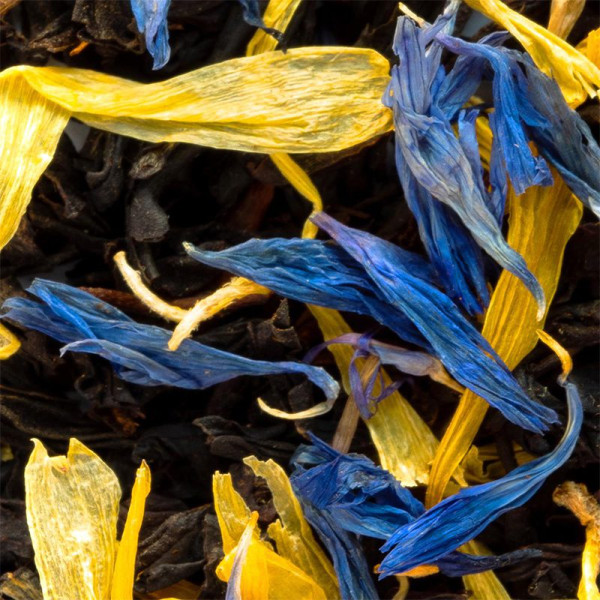
Russian Earl Grey Black Tea
Russian Earl Grey black tea brings together an organic Earl Grey with three natural citrus fruits: grapefruit, lemon, and bergamot.
€9.90Discover
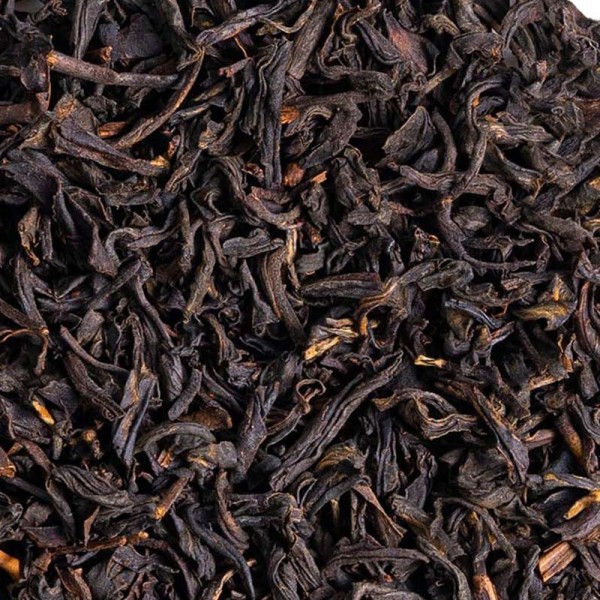
Lapsang Souchong Black Tea
Organic Lapsang Souchong black tea, the celebrated Chinese smoked tea, unfolds unforgettable woody and resinous notes.
€9.90Discover
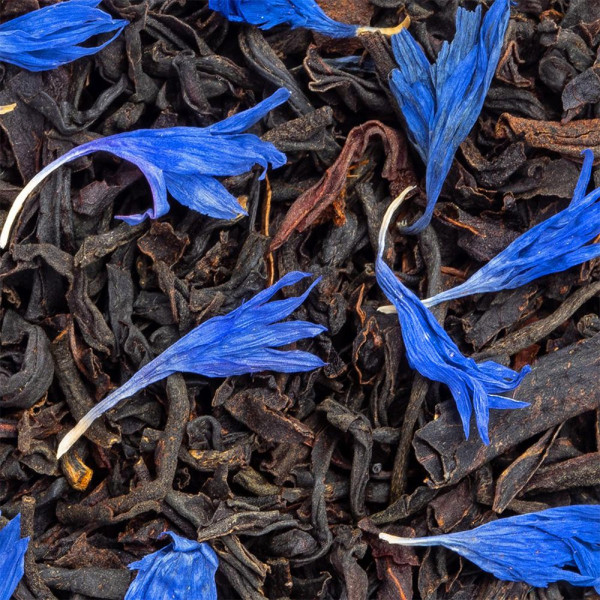
Blue Earl Grey Black Tea
Organic Blue Earl Grey black tea brings together a rich Assam from South India, the natural aroma of bergamot, and delicate roy…
€9.10Discover