Exotic notes in every cup: Chinese black tea

China is the world's largest tea producer. As black tea grew in popularity in the West, China turned its expertise toward crafting it, and today most of its black tea production is destined for export. The Chinese bring meticulous care to every variety they grow, and black tea is no exception. Here you'll find Lapsang Souchong, Yunnan, and the other remarkable black teas produced across China.
The most celebrated Chinese black teas
China is home to many tea-growing regions, each with its own character, giving every black tea a flavor all its own.
A taste for smoky tea? Try Lapsang Souchong
Lapsang Souchong was said to be Sherlock Holmes's favorite tea. Low in caffeine, this caramel-colored infusion can be enjoyed at any time of day. Its dark leaves are smoked over spruce or cypress wood, producing a richly aromatic black tea grown at altitude in Fujian province. A longer-than-average oxidation time gives it its distinctive character. Available in tea bags or loose-leaf, its smoky depth delights the palate and lends itself beautifully to cooking. Salmon prepared with Lapsang Souchong, for instance, is always a crowd-pleaser.
Yunnan: the black tea that might just replace your morning coffee
For many, Yunnan tea, from the province of the same name, ranks among the finest in the world. A wonderful introduction to tea, its deep red liquor carries woody and floral notes, with a gentle hint of honey and a whisper of spice. Worth noting: Yunnan province also produces rice and cacao. Steep it for a few minutes each morning and let it take the place of your coffee cup for a fragrant, warming start to the day. It can also be found blended with spices or fruit.
Keemun: a naturally sweet infusion
Sandy soil, a humid climate and high-altitude cultivation give this black tea a woody character, sometimes with a touch of chocolate. Several varieties of Keemun exist, their differences rooted mainly in the type of leaf used. Keemun Mao Feng benefits from a longer steep, while Xin Ya is notably less astringent. Hao Ya, meanwhile, is considered the finest of the three. Keemun also forms the backbone of many Earl Grey blends.
China and tea: a story thousands of years in the making
Tea in China is a true institution, far beyond what the British "tea time" represents. Woven into culture, harvest and ceremony alike, the Chinese drink tea throughout the day and always keep a tea caddy at home. While green tea remains their first choice, variety is welcome, and black tea has its place too.
Black tea in China
In Europe, black tea refers to a drink made from fully oxidized leaves. In China, the meaning is different: what the Chinese call "black tea" is a tea that has undergone post-fermentation. Pu-erh is the prime example. Produced in Yunnan province, it takes its name from the city of the same name, and is most often found in compressed form. That shape made it easier to transport for export to Tibet. Much like wine, Pu-erh improves with age, and it is not unusual to find versions that are many years old.
The Chinese tea ceremony
The Chinese take their tea seriously. While they drink it freely throughout the day, its preparation is also an art form. The tea ceremony can be performed by anyone, but it reaches its highest expression when led by a tea master. This ritual is known as Gongfu Cha, meaning "taking one's time." Every detail is considered: the teapot resting on a tray to catch the overflow, two small cups, the tray itself, the steeping time. The tea most often chosen for this ceremony is an Oolong.
Ready for a cup ? Browse our organic black teas and find the one that suits you.
Tempted to try it?
Our selection related to this article, loose leaf and organic.
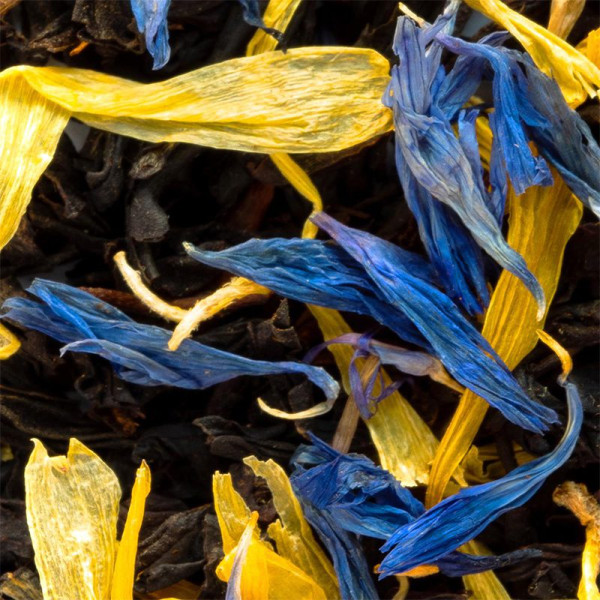
Russian Earl Grey Black Tea
Russian Earl Grey black tea brings together an organic Earl Grey with three natural citrus fruits: grapefruit, lemon, and bergamot.
€9.90Discover
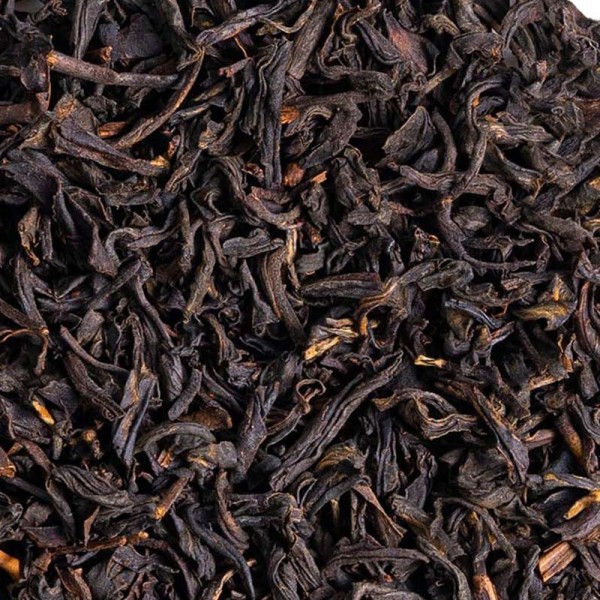
Lapsang Souchong Black Tea
Organic Lapsang Souchong black tea, the celebrated Chinese smoked tea, unfolds unforgettable woody and resinous notes.
€9.90Discover
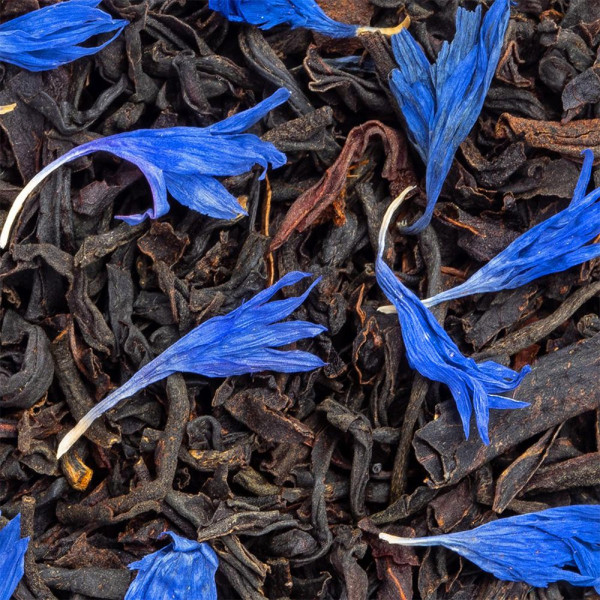
Blue Earl Grey Black Tea
Organic Blue Earl Grey black tea brings together a rich Assam from South India, the natural aroma of bergamot, and delicate roy…
€9.10Discover