 Grand Cru & Rare Teas



Organic
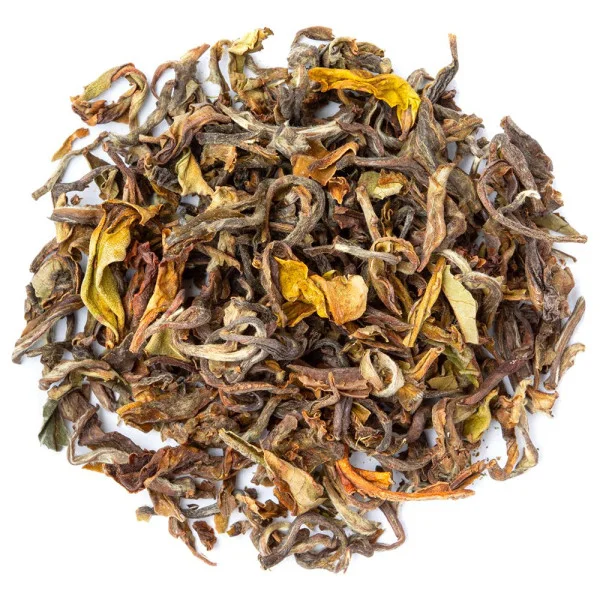
Nepal 1st Flush Jun Chiyabari
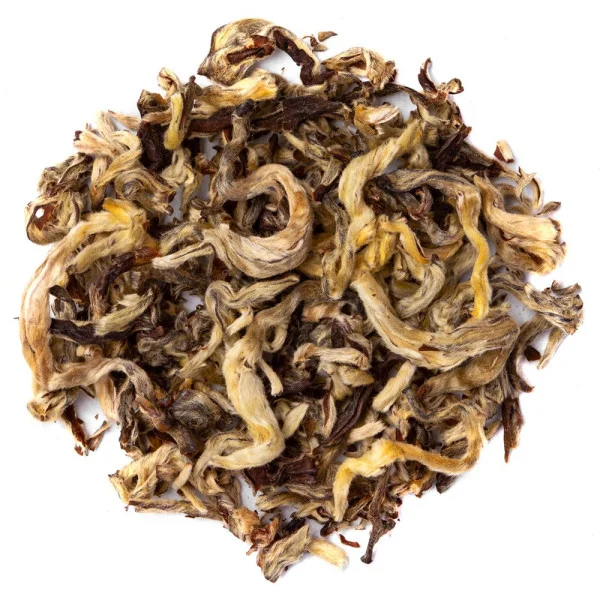
Rare Oolong: its unique character comes from the heights of the Himalayas
 Main Note:
Pure
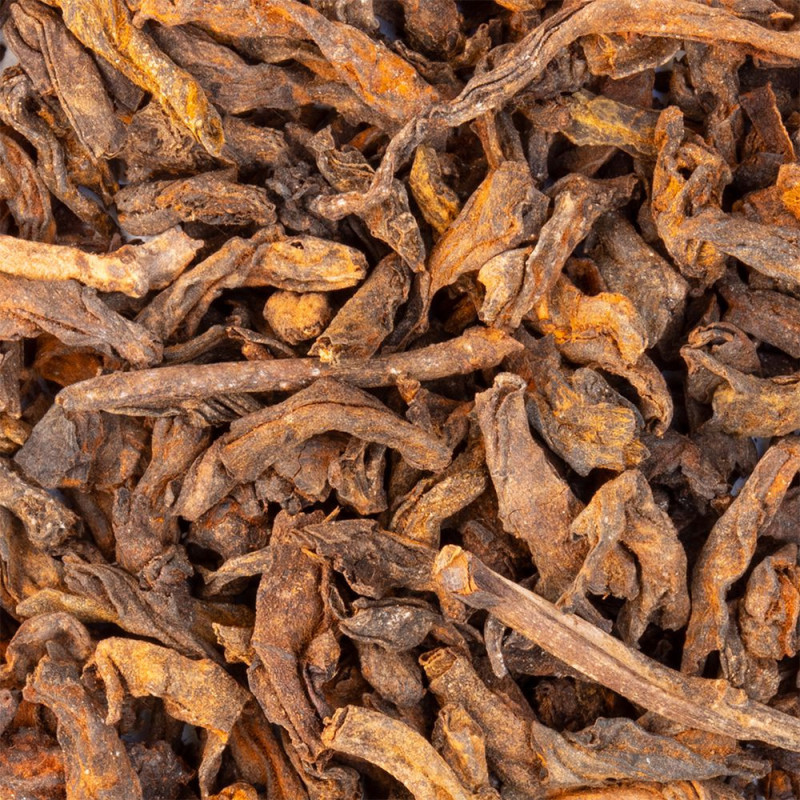
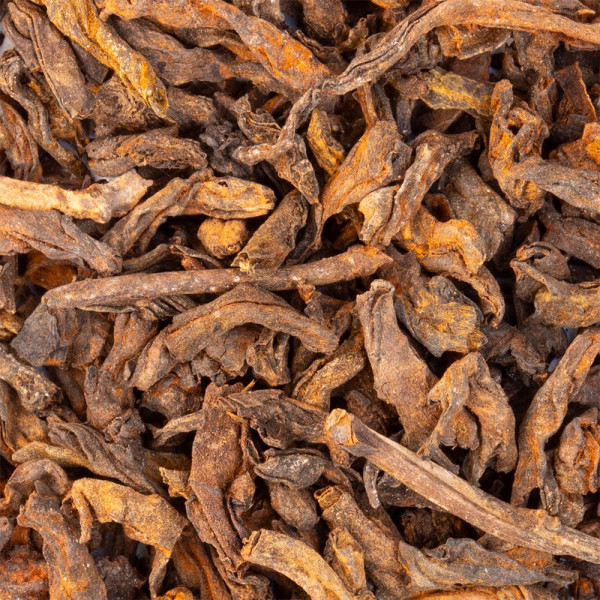
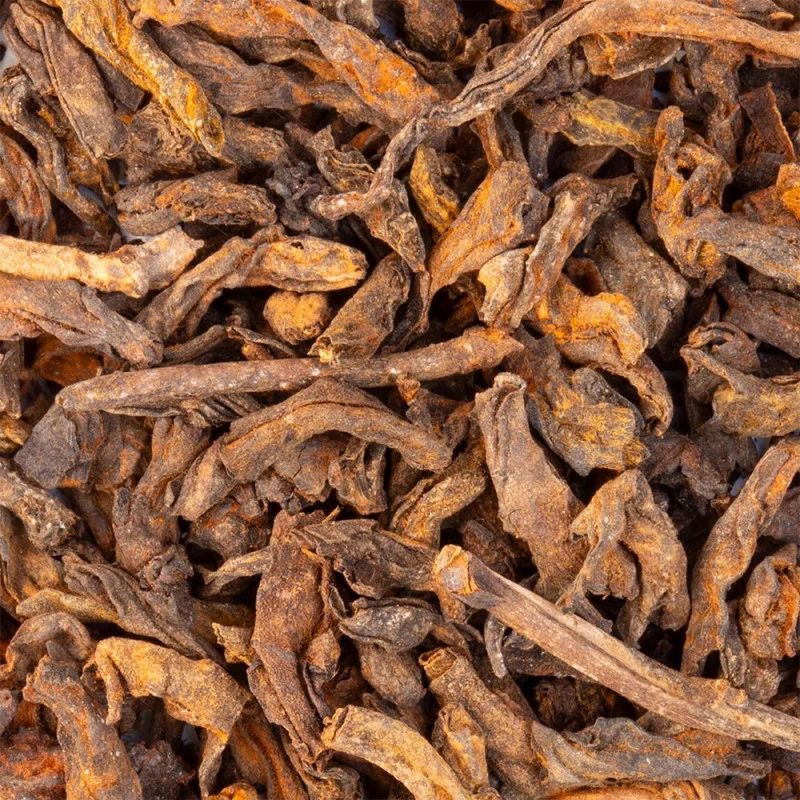
The Pu Erh Menghai 5 Years is a Chinese post-fermented grand cru, aged five years to reveal deep notes of dark chocolate, dried fruit, and forest floor. This organic loose-leaf shu puerh, from the Yunnan province, is smooth enough to enjoy all day long, with a rounded woody character all its own.
our expertise


In our workshop in Provence, every tea is packed and every order prepared by hand by our team.
Real pieces of dried fruit, whole plants and carefully selected teas of origin.
Carefully crafted to create unforgettable tasting moments. A signature taste, an authentic experience.
At a glance: Organic Pu Erh Menghai 5 Years, a post-fermented grand cru from Yunnan, aged five years, with notes of dark chocolate and dried fruit. Brewing: 12 g/L, 100°C, 3 to 5 minutes.
Some teas are made to be enjoyed young, in the brightness of their first harvest. Others ask for time. The Pu Erh Menghai 5 Years belongs to this second family: teas that deepen slowly, like a great wine left to find its patience.
This cru is one of our most singular exceptional teas. Selected by Julien Huot for Thés & Traditions, it reflects an ancient Chinese craft in which controlled fermentation transforms the leaf into something profoundly sensory and serene.
Refined over five years, this Chinese grand cru reveals an aromatic palette of rare depth, worlds apart from young, vivid teas.
In the cup, the liquor takes on a deep copper hue, almost mahogany. The nose opens with frank notes of roasted cacao, followed by damp forest floor and worn leather. An aromatic signature unlike any other category of tea.
On the palate, the entry is round and velvety, with no astringency whatsoever. Dark chocolate notes take centre stage, supported by a thread of dried fruit (date, dried fig) and a lightly damp woody finish that recalls wet bark after a storm.
This palette is explained by the controlled post-fermentation characteristic of puerh shu (cooked puerh). During the process, the leaves undergo a slow microbial oxidation that develops deep aromas and rounds out the tannins. Five additional years of ageing refine the bouquet further, smoothing away any earthy roughness found in younger crus.
Pu erh Menghai, named after the renowned district of Xishuangbanna in Yunnan, is considered the historic benchmark for this style. The region brings together ideal conditions: altitude, humidity, clay-rich terroir and leaves from ancient tea trees (the daye large-leaf variety).
Unlike compressed cakes (bingcha, tuocha, bricks) sold as discs or nests, our Menghai 5 Years is available loose-leaf. This makes precise measuring easy, allows you to observe the unfurling leaves, and ensures full aromatic release from the very first infusion.
Dark and twisted, the leaves release a characteristic woody fragrance in hot water. As they slowly open, they reveal their thickness and the quality of the sorting carried out at the Menghai factory, one of China's most respected for this style of production.
To explore further among Chinese grand crus, take a look at our Yin Zhen (Silver Needle), an exceptional white tea at the opposite sensory end of the spectrum from puerh, or our Mao Feng Hua Hai green tea.
This grand cru rewards careful preparation. Here are the parameters recommended by our house.
A gesture beloved by enthusiasts: the preliminary rinse. Pour boiling water over the leaves, leave for ten seconds, then discard this first water. The rinse awakens the leaves, removes any dust from the material, and softens the first true infusion.
Puerh lends itself beautifully to multiple infusions in the gongfu cha style. With 12 g to 200 ml of water in a small clay teapot (ideally a Yixing zisha), you can pour five to eight short infusions of 20 to 40 seconds each. Every pass reveals a different facet: first woody, then cocoa-rich, finally lightly mineral.
Serve this cru in fine porcelain or stoneware cups, which hold heat without interfering with the flavour. The rich, deep liquor is best enjoyed without sugar or milk: it is made to express its natural roundness in full.
Menghai 5 Years is also a remarkable companion at the table. It pairs beautifully with intense dark chocolate, dried fruits, blue-veined cheese, or rich dishes (Peking duck, charcuterie) whose weight it balances with its depth. It is one of the rare teas that is truly gastronomic.
Packaged in our workshop, this puerh should be kept in an airtight tin or resealable pouch, away from light, excessive humidity and strong odours. A dry shelf at a stable temperature is ideal.
One of puerh's defining qualities: unlike green or white teas that are best consumed within the year, this cru continues to evolve over time. Stored correctly, it keeps refining, gaining in roundness and complexity. Many enthusiasts buy a second batch to set aside for a few years.
How much does Pu Erh Menghai cost?
The price of a Pu Erh Menghai depends on the age, the leaf grade and the format (loose-leaf, cake, brick, tuocha). Our organic Menghai 5 Years loose-leaf sits in the accessible grand cru category, with a quality-to-price ratio carefully considered by our house for both seasoned enthusiasts and curious newcomers.
How do I choose a Pu Erh from Menghai?
Look for a certified organic puerh made from whole leaves (daye, large leaf) with a clearly stated ageing period. Puerh shu (cooked, post-fermented) offers an immediately round and woody profile. The loose-leaf format lets you assess leaf quality directly, unlike compressed cakes which are harder to evaluate visually.
What types of Pu Erh Menghai are there?
There are two main families: puerh sheng (raw, unfermented, which ages slowly) and puerh shu (cooked, rapidly post-fermented). Formats vary: loose-leaf, cake (bingcha), brick, tuocha (bird's nest) or packet. Our Menghai 5 Years is a loose-leaf shu.
Where does Pu Erh Menghai come from?
Pu Erh Menghai comes from the eponymous district in the Xishuangbanna prefecture, in southern Yunnan, China. This region is the historic birthplace of puerh, thanks to its humid climate, clay soils and ancient tea trees. The Menghai factory has been a reference in the region since 1940.
What are the traditional uses of Pu Erh Menghai?
Pu Erh Menghai is traditionally enjoyed in China alongside meals, particularly rich dishes. Its roundness and lack of astringency make it a comfortable tea to savour throughout the day. For detailed information on traditional uses, please refer to dedicated official sources on tea.

Rare Oolong: its unique character comes from the heights of the Himalayas

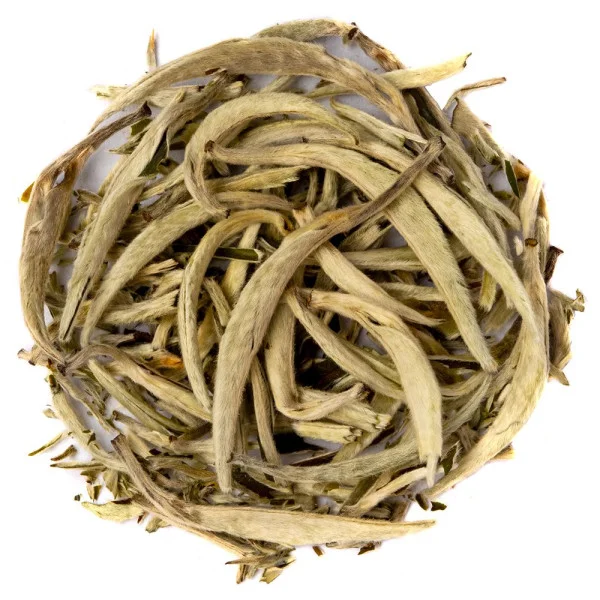
Rare white tea from the Fuding region in China

Chinese white tea made exclusively from buds

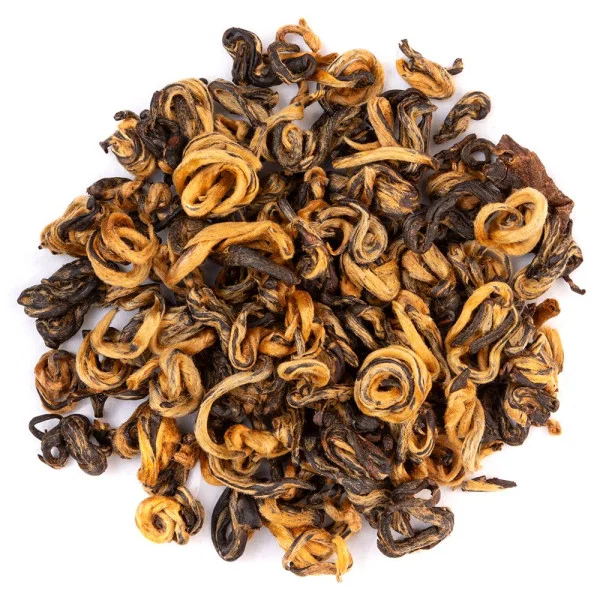
Hand-rolled into small snail-shaped balls.
French House
Independent since 2016.
Fast delivery
Home delivery or click & collect.
Made with heart
In the south of France.
Customer service
A real voice at the end of the line,
Monday to Friday: 04 22 91 35 75.
Sharing, passing it on: our teas, our tips, the occasional unexpected idea, and little attentions just for you. Pure pleasure, ready to steep.