Which certifications should you look for in organic tea?

The second most consumed beverage in the world after water, tea wins over more than 60% of French households. As awareness of ingredient quality grows, many consumers are turning to organic tea. But with so many organic tea certifications out there, how do you tell which ones genuinely guarantee sustainable farming and fair treatment of growers? Here is a clear breakdown.
Trustworthy certifications for organic tea
In 2019, the global tea market was worth around $55 billion, creating strong pressure to scale up production, sometimes at the expense of ethics. In this rapidly growing market, organic tea certifications have become an important reference point. While some, like the European organic label or the AB certificate, represent genuine standards, others offer only minimal oversight of production methods and chemical inputs. Here is a closer look at the main certifications.
The European organic label
The European organic label is the only mandatory certification in Europe, backed by EU law. Though its logo is not always widely recognised, it is designed to protect natural cycles and promote sustainable agriculture, both in terms of product quality and producer welfare.
The AB label
The AB certificate, whose logo is well known in France, was developed in France. Its aim is to highlight 100% organic products produced in a way that respects the environment. Certified organic products are guaranteed free from pesticides and chemical compounds.
Other certifications worth knowing
Beyond these organic tea certifications, several others are worth your attention:
- the Max Havelaar label, which ensures fair trade practices and a fair minimum income for producers;
- the Rainforest Alliance label, which works to protect primary forests through responsible farming that benefits smallholder growers;
- the UTZ CERTIFIED label, which guarantees decent working conditions for producers and respect for the environment.
What do organic tea certifications actually promise?
For organic teas, as well as other plants such as coffee or rooibos, a wide range of certifications exists. But which ones truly guarantee 100% organic tea? Do they focus on fair trade, environmental protection, or the absence of pesticides and chemical fertilisers? Here is what the main organic tea certifications actually commit to.
What the European organic label promises
The European organic label promotes high quality standards through farming that respects natural cycles. Available across EU member states, this certification guarantees:
- products containing a minimum of 95% ingredients from organic farming;
- products sourced directly from producers, in sealed packaging (tin or sachet);
- clear traceability information.
What the AB label promises
The AB certification shares many requirements with its European counterpart. According to the French Agency for the Development and Promotion of Organic Farming, this label guarantees:
- products containing a minimum of 95% organic ingredients, grown with respect for the environment and animal welfare;
- ingredients cultivated without pesticides or chemical products;
- a maximum GMO content of 0.9% in the processed product;
- clear traceability information.
Does a certification guarantee quality?
With their strict requirements, certifications such as AB and the European organic label are a genuine mark of quality. They ensure a product with little or no pesticides or chemical fertilisers. That said, should you discard all teas without an organic certification? Not necessarily. Certification comes at a cost, and some small producers, particularly in small gardens across Asia, simply cannot afford it for their tea leaves.
Tempted to try it?
Our selection related to this article, loose leaf and organic.
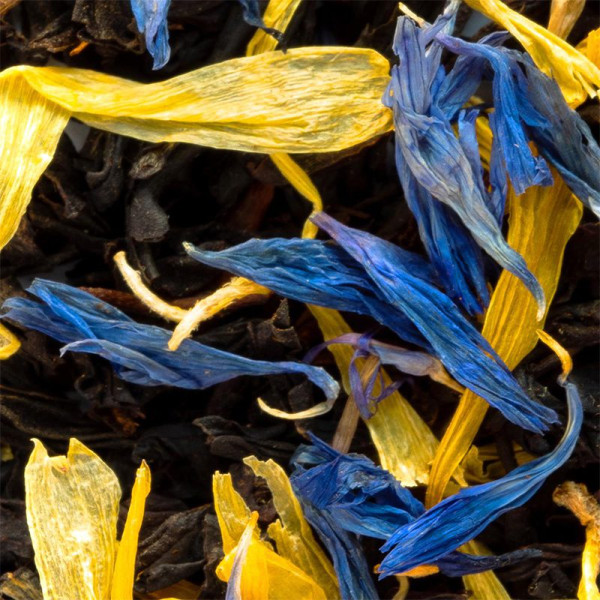
Russian Earl Grey Black Tea
Russian Earl Grey black tea brings together an organic Earl Grey with three natural citrus fruits: grapefruit, lemon, and bergamot.
€9.90Discover
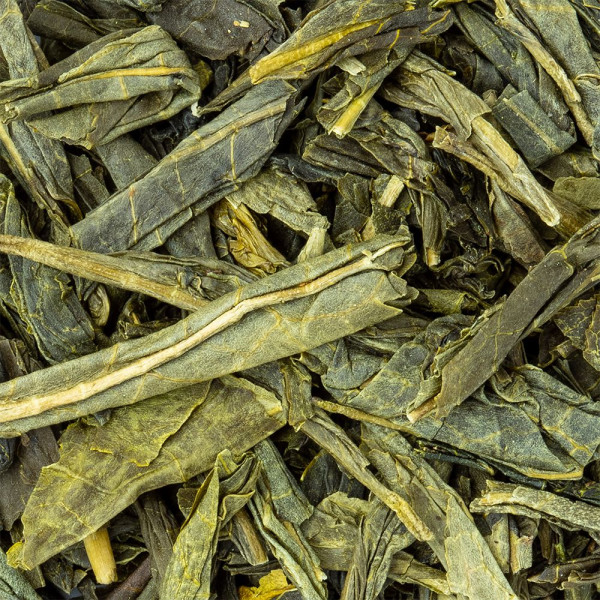
Sencha Green Tea
Organic Sencha is a timeless staple in China and Japan, where it is enjoyed daily.
€6.50Discover
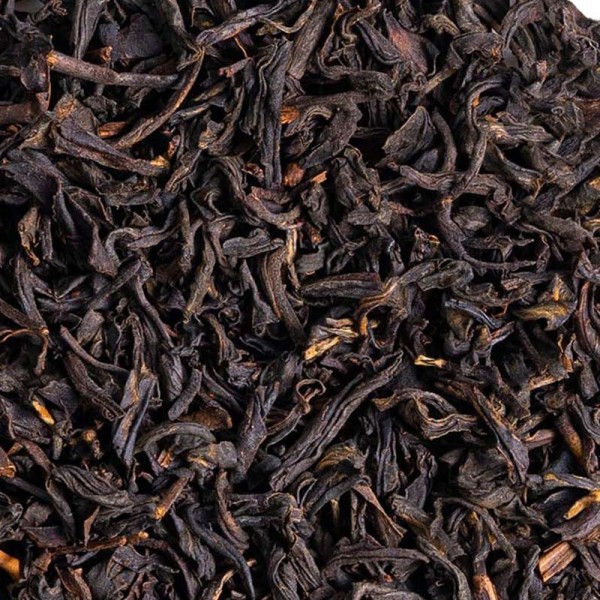
Lapsang Souchong Black Tea
Organic Lapsang Souchong black tea, the celebrated Chinese smoked tea, unfolds unforgettable woody and resinous notes.
€9.90Discover