Plain Rooibos: the South African herbal infusion changing

Plain rooibos is something genuinely special. This amber-red infusion from the Cederberg mountains of South Africa is naturally free of caffeine, which sets it apart from anything in the world of traditional tea. It offers a moment of calm at any hour, even late in the evening.
What makes this drink so endearing is how quietly it fits into everyday life. No restlessness, no overstimulation, just that gently woody, naturally sweet warmth that wraps around you like a moment of stillness.
Plain rooibos at a glance
- Naturally caffeine-free: perfect for children and relaxed evenings
- A one-of-a-kind origin: grown exclusively in the Cederberg mountains of South Africa
- Rich in antioxidants: recognised for its beneficial properties
- Naturally smooth: no need to add sugar to enjoy its flavour
- Simple to prepare: 4 minutes in water at 90°C is all it takes
Where does this remarkable red infusion actually come from?
Plain rooibos owes its unique character to an exceptional terroir. In the arid Cederberg mountains, a few hours from Cape Town, grows the Aspalathus linearis, a plant found nowhere else on earth. This endemism is what gives rooibos its absolute authenticity.
The indigenous Khoikhoi people knew the virtues of this plant long before European settlers arrived. They gathered the fine needle-like leaves of the shrub and left them to ferment under the sun, drawing out that distinctive red colour and the gentle sweetness we still savour today.
This natural fermentation process transforms the green needles into reddish-brown sprigs, developing the woody and faintly vanilla-like aromas that define plain rooibos. Unlike tea, there is no forced oxidation: everything happens naturally under the African sun.
The harvest remains artisanal and environmentally respectful. Local producers hand-cut the young shoots, carefully preserving the mother plants, which can continue producing for decades. This sustainable approach ensures the long-term future of this very special crop.
Why does plain rooibos win over so many infusion lovers?
The first sip of plain rooibos immediately reveals why it has won over so many palates. Its natural sweetness is a pleasant surprise: no sweetener needed to appreciate the gentle notes that unfold in the mouth.
Being entirely caffeine-free makes it the ideal companion for families. Children can drink it freely, expectant mothers appreciate its soothing qualities, and those sensitive to caffeine finally have a warm, comforting drink to enjoy in the evenings.
In terms of flavour, plain rooibos develops a layered aromatic profile: woody notes reminiscent of vanilla, a touch of natural honey, sometimes even a hint of hazelnut. This richness blooms beautifully in hot water, but rooibos is equally delicious served over ice on warm summer days.
Its natural antioxidant content, including aspalathin and quercetin, gives it recognised beneficial properties. These compounds help protect the body from oxidative stress, while bringing that sense of wellbeing that lovers of authentic herbal infusions seek out.
Preparing plain rooibos is refreshingly simple. Four minutes in water at 90°C is enough to draw out all its aromas. Unlike tea, it cannot turn bitter: the longer it steeps, the more its natural sweetness comes forward.
How to choose and brew your plain rooibos
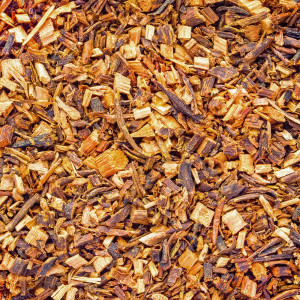
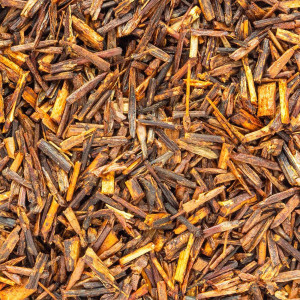
The quality of a plain rooibos shows first in its appearance. The finest grades have fine, uniformly reddish-brown sprigs with very little dust. A good rooibos also releases a naturally sweet, woody scent the moment you open the packet.
For brewing, simplicity is the golden rule. Use around 2 grams of rooibos per 200 ml of water, roughly one well-rounded teaspoon per large cup. Heat the water to 90°C: no need to reach a full boil, as you might with some black teas.
Steeping time can be adjusted to your taste: 4 minutes gives a balanced result, but you can go up to 7 or 8 minutes to deepen the aromas without any risk of bitterness. This forgiving nature makes rooibos a particularly easy infusion for beginners.
For storage, keep your plain rooibos in an airtight container, away from light and moisture. Stored properly, it retains its flavour qualities for several years, though the aromas are at their most vibrant in the months following purchase.
For a change of pace, plain rooibos pairs beautifully with a slice of lemon, a spoonful of local honey, or a few gentle spices such as cinnamon. These additions bring out its natural sweetness without masking its authentic character.
The lesser-known benefits of this exceptional infusion
Beyond its comforting flavour, plain rooibos holds properties that make it far more than a simple pleasure drink. Its mineral content, including iron, calcium, potassium and zinc, makes it a naturally interesting complement to everyday nutritional balance.
The absence of caffeine and tannins makes it a particularly easy infusion to digest. Unlike classic tea, rooibos does not interfere with iron absorption and can be enjoyed during meals without any drawback. This makes it a thoughtful choice for people dealing with anaemia or digestive sensitivities.
The natural antioxidants in rooibos, particularly aspalathin, which is unique to this plant, help protect cells from premature ageing. These active compounds also support the immune system and contribute to maintaining good cardiovascular health.
Traditionally, South African communities used rooibos to soothe digestive discomfort in infants. To this day, many parents turn to this gentle infusion to ease colic and help young children settle at bedtime.
Making it a regular habit fits naturally into a broader sense of wellbeing. The ritual of preparing and enjoying plain rooibos invites you to pause, breathe, and take that quiet moment of reconnection that our busy lives so often need.
Organic plain rooibos: purity in its truest form
Choosing an organic plain rooibos means enjoying this infusion in its most authentic expression. Organic farming protects the fragile Cederberg ecosystem and ensures that nothing unwanted ends up in your cup.
Organic rooibos producers follow strict standards: no chemical fertilisers, no pesticides, full respect for the plant's natural cycles. This approach preserves the unique biodiversity of this South African region while delivering a product of exceptional purity.
Organic rooibos often has a more intense and nuanced flavour. Plants grown using these traditional methods develop more complex aromas, a more pronounced sweetness, and better retain their natural nutritional properties.
Many producers today offer certified organic plain rooibos, often alongside fair trade labels that ensure local growers are fairly compensated. This ethical commitment gives every cup an added layer of meaning.
Frequently asked questions about plain rooibos
Absolutely. Unlike traditional tea, rooibos is naturally free of caffeine. This makes it an ideal drink at any time of day, including the evening before bed. Even children and pregnant women can enjoy it without restriction.
You can, and many people do. With no caffeine and very low tannin levels, there is no limit to how much you can drink. Many enthusiasts enjoy 4 to 6 cups a day with no unwanted effects. It is a wonderful way to stay hydrated while benefiting from everything this infusion has to offer.
A good rooibos has fine, uniform sprigs in a rich reddish-brown colour, with very little dust. When you open the packet, it should release a naturally sweet, woody aroma. Avoid rooibos that looks overly powdery or dull, as this can indicate lower quality or poor storage.
Plain rooibos is remarkably well tolerated and has no known contraindications. Its natural gentleness and complete absence of stimulants make it suitable for everyone, from infants to older adults. The only exception would be those with known allergies to plants in the legume family, who should exercise caution.
Not at all. Plain rooibos has a natural sweetness that is often enough on its own. Many people enjoy it exactly as it is, with nothing added. If you do prefer a touch of sweetness, a little local honey or agave syrup will complement its aromas beautifully without overpowering them.
Unlike some teas, rooibos does not lend itself well to multiple steepings. Its structure releases most of its aromas in the first infusion, and a second steep will produce a noticeably lighter, less flavourful cup. For the best experience, use fresh leaves each time you brew.
Ready to taste it ? Browse all our South African rooibos, from plain to gourmet blends.
Tempted to try it?
Our selection related to this article, loose leaf and organic.
Natural Rooibos
Organic natural Rooibos from South Africa offers a caffeine-free infusion that is smooth and naturally indulgent.
€6.90Discover