Rooibos herbal infusion: benefits, varieties & wellness

Among the world's most comforting infusions, rooibos holds a special place in the cup. This South African brew wins hearts with its natural gentleness and soothing character, offering a beautiful alternative to traditional teas. Contrary to popular belief, rooibos is not a tea in the strict sense: it's an herbal infusion that invites you to slow down and savour the moment.
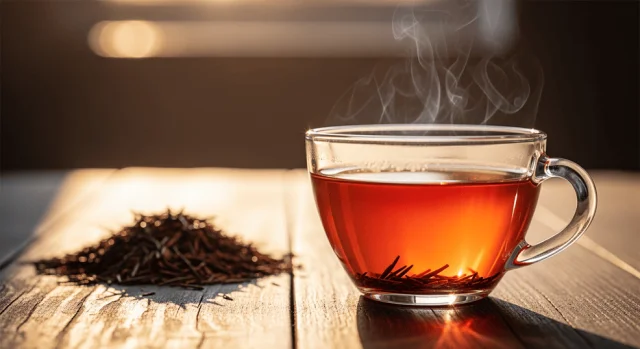
Naturally caffeine-free, this warm amber-red brew fits into any part of your day without disturbing your sleep. Whether you're new to rooibos or looking to deepen your knowledge, let's explore this fascinating world together.
The essentials of rooibos
- Naturally caffeine-free: perfect at any time of day, even in the evening
- A unique origin: grown exclusively in the Cederberg Mountains of South Africa
- Naturally sweet: gently flavoured, it appeals even to the most delicate palate
- Rich in antioxidants: supports general wellbeing through its beneficial compounds
- Many varieties: plain, flavoured or blended, there's something for every taste
What exactly is rooibos?
Rooibos, whose name means "red bush" in Afrikaans, comes from the Aspalathus linearis, a shrub belonging to the legume family. It grows exclusively in one very specific corner of South Africa: the Cederberg Mountains, north of Cape Town.
Unlike traditional tea from the Camellia sinensis plant, rooibos belongs to an entirely different botanical family. This is precisely why the infusion contains no caffeine or theine whatsoever. The plant's fine, needle-like leaves are harvested, then fermented to develop that characteristic red colour and the soft aromas so many people love.
The transformation process bears some resemblance to tea: after harvesting, the leaves are bruised, moistened and left to ferment in the sun. This natural oxidation develops the copper hue and sweet, rounded notes that have made rooibos so popular. A less common "green" unfermented version also exists, retaining a golden colour and more vegetal, grassy flavours.
The recognised benefits of rooibos
Rooibos wins favour for its taste as much as its beneficial properties. Rich in minerals including iron, calcium, potassium and zinc, it makes a genuinely nourishing addition to your daily routine.
Its natural antioxidants, notably aspalathin and quercetin, help combat oxidative stress. These compounds protect our cells from damage caused by free radicals, contributing to overall good health.
The absence of caffeine is a real advantage for those sensitive to stimulants or looking to reduce their intake. You can enjoy a cup of rooibos at any hour, including the evening, with no risk of disrupting your sleep.
Rooibos also has a reputation for supporting digestion. Long used in South Africa to ease mild digestive discomfort, it makes a pleasant companion after meals or whenever your stomach needs a little calm.
For pregnant and breastfeeding women, rooibos is a safe and comforting alternative to caffeinated drinks, allowing them to enjoy a warm, soothing brew without any concern.
How to brew the perfect cup of rooibos
Brewing rooibos differs slightly from making a traditional cup of tea. This infusion handles very hot water and a longer steep time with ease, never turning bitter the way classic teas can.
For a perfect cup, use one teaspoon of rooibos per 250 ml of near-boiling water (95-100°C). Steep for 5 to 7 minutes to draw out the full range of aromas and benefits. The longer you steep, the deeper the colour and the richer the flavour.
Rooibos is equally enjoyable hot or iced. For a refreshing cold version, brew a concentrated infusion, allow it to cool, then pour over ice. A few slices of lemon or some fresh mint leaves make a beautiful summer drink.
This infusion also takes kindly to a splash of milk, in the traditional South African style. A dash of plant-based or dairy milk softens the texture further, creating something particularly cosy. Honey or agave syrup pair beautifully with its naturally sweet notes.
The many varieties of rooibos to explore
The world of rooibos has grown considerably in recent years, offering a remarkable range of flavours for every palate. Plain rooibos remains the reference point, with its soft, subtly vanilla-like notes that purists adore.
Flavoured blends open up a whole world of indulgent possibilities. Vanilla rooibos is among the most popular, pairing the plant's natural sweetness with creamy vanilla notes. Red berry versions add a refreshing tartness, perfect for those who love fruity infusions.
Spiced varieties appeal to those seeking something more adventurous. A rooibos Chai, warmed with cinnamon, cardamom and ginger, is the ideal companion for winter evenings. Citrus blends, with their bright notes of lemon or orange, bring a lively energy to the morning.
Green rooibos, less well known but equally interesting, offers a different flavour profile. Unfermented, it retains a golden colour and develops more vegetal, herbal aromas, closer to those of green tea, while still being completely caffeine-free.
Indulgent blends never run short of inspiration: caramel, chocolate, or festive holiday spice creations that turn every cup into a moment of pure pleasure, where wellbeing meets indulgence.
Making rooibos part of your wellness routine
Weaving rooibos into your daily life is wonderfully straightforward, thanks to its versatility. It naturally accompanies moments of calm, whether as a morning ritual, an afternoon pick-me-up or a soothing evening brew.
Its suitability for any hour of the day makes it an ideal companion for gradually stepping back from more stimulating drinks. Those looking to cut down on coffee or tea find in rooibos a gentle, flavourful transition.
In the kitchen, rooibos reveals unexpected talents. It delicately perfumes creamy desserts, compotes and even certain savoury dishes. Creative chefs use it to infuse sauces and marinades, bringing an original note to their cooking.
For children, rooibos is a wonderful introduction to the world of warm infusions. Its natural sweetness and caffeine-free nature make it perfectly suited to younger drinkers, helping them develop their palate without any concern.
Athletes also appreciate rooibos for its mineral content and its complete lack of stimulating effects. Enjoyed after exercise, it supports rehydration while delivering antioxidants that benefit recovery.
Frequently asked questions about rooibos
Absolutely. Rooibos makes an excellent alternative to traditional tea, especially if you want to avoid caffeine. While the flavours are different, its aromatic richness and beneficial properties make it a genuine substitute. Many people find they actually prefer its natural softness to the sometimes astringent notes of tea.
There is no strict limit on rooibos consumption, unlike caffeinated drinks. You can enjoy several cups a day without any issue. That said, as with any food or drink, a sensible approach is always wise. Three to four cups a day is a perfectly reasonable amount.
Opting for organic rooibos ensures the plant has been grown without pesticides or chemical fertilisers, preserving the purity of this naturally gentle infusion. This matters especially for something you drink regularly. Organic farming also does a better job of protecting the unique ecosystem of the Cederberg Mountains.
Yes, rooibos is perfectly suited to children, thanks to its caffeine-free nature and natural sweetness. It's actually a lovely way to introduce them to the world of warm infusions. You can serve it warm with a little honey for younger children, or iced in summer for a refreshing and wholesome drink.
Keep your rooibos in an airtight container, away from light, moisture and strong odours. A metal tea caddy or glass jar works perfectly. Well stored, rooibos retains its qualities for several years, though its aromas are at their most vibrant within the first two years after purchase.
Rooibos is generally very well tolerated and has no significant contraindications. As with any food, some individuals may develop a particular sensitivity. If you are on a specific course of medical treatment, it's always worth checking with your doctor, although interactions with this natural infusion are extremely rare.
Treat yourself to a gentle, caffeine-free moment with our organic rooibos.
Tempted to try it?
Our selection related to this article, loose leaf and organic.
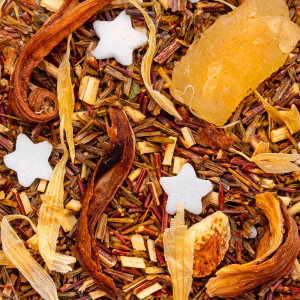
Lemon Meringue Rooibos
Lemon meringue tart rooibos brings a real patisserie to your cup: green rooibos, lemon peel, candied pineapple, white hibiscus …
€8.70Discover
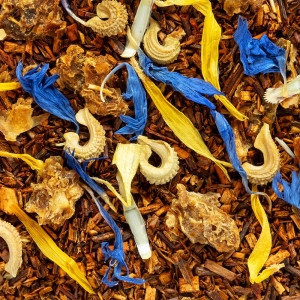
Iced Lemon Orange Rooibos
Organic iced lemon orange rooibos brings bright citrus to life on a base of red and green rooibos, naturally caffeine-free.
€7.90Discover
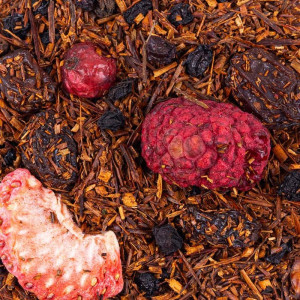
Wild Berry Rooibos
Organic wild berry rooibos makes for an indulgent, caffeine-free infusion where raspberry, strawberry, blackcurrant and elderbe…
€7.90Discover
Also explore the guide — ROOIBOS
-
 Rooibos & Blood Pressure: Benefits and Precautions
Discover
Rooibos & Blood Pressure: Benefits and Precautions
Discover
-
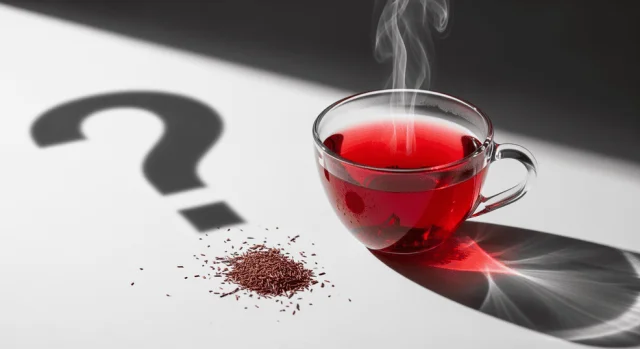 Rooibos: Benefits, Risks and Contraindications to Know
Discover
Rooibos: Benefits, Risks and Contraindications to Know
Discover
-
 How to Pronounce Rooibos Correctly
Discover
How to Pronounce Rooibos Correctly
Discover
-
 Rooibos in the Evening: Benefits and Tips for Restful Nights
Discover
Rooibos in the Evening: Benefits and Tips for Restful Nights
Discover
-
 Best Rooibos: Buying Guide and Top Picks
Plain Rooibos: the South African herbal infusion changing
Discover
Best Rooibos: Buying Guide and Top Picks
Plain Rooibos: the South African herbal infusion changing
Discover