Yerba Mate Dangers: Caffeine, Risks & Precautions

Is yerba mate bad for your health?
Let's keep it simple: no, mate is not a dangerous drink. This South American infusion, made from the leaves of Ilex paraguariensis, is enjoyed every day by millions of people in Argentina, Uruguay and Brazil, and has been for generations. Like coffee or green tea, it simply deserves to be consumed with a little common sense. The few risks associated with mate do not come from the plant itself, but from two very concrete conditions: the amount of caffeine you take in, and above all the temperature at which you drink it. The good news: both are entirely in your hands.
« Mate danger », « is mate dangerous », « is mate carcinogenic »: these are among the most common searches about this drink. In this guide, we separate the real precautions from the myths, drawing on trusted sources and serious studies: the European Food Safety Authority (EFSA) for caffeine, and the International Agency for Research on Cancer (IARC) for the often-misunderstood question of mate and cancer.
The caffeine in mate: effects and limits
Mate is a stimulating drink, due to its caffeine content. One cup provides around 80 mg of caffeine, slightly less than a filter coffee and slightly more than a tea. That is precisely what makes it an ally for focus and alertness in the morning. But as with any source of caffeine, excessive consumption can lead to well-known side effects: nervousness, insomnia if you drink it too late, a faster heart rate, anxiety or mild digestive discomfort in sensitive people.
For reference, the EFSA considers that, in healthy adults, a single dose of up to 200 mg of caffeine and a daily intake of up to 400 mg (from all sources combined) raise no safety concerns. That leaves a comfortable margin: the key is to account for all your caffeinated drinks across the day — coffee, tea, mate — and to listen to your body.
Mate and cancer: what the IARC really says
This is the point that worries people most, and the one where nuance changes everything. In 2016, the IARC re-evaluated mate. Its conclusion is clear: it is not mate itself that raises concern, but the act of drinking a very hot beverage. Regularly drinking a liquid above 65 °C was classified as « probably carcinogenic » (group 2A), because of an increased risk of oesophageal cancer linked to repeated thermal injury of the mucous membranes.
Conversely, mate drunk cold or warm is classified in group 3, meaning no evidence of a link with cancer. In other words: it is the temperature, not the plant. Since mate is traditionally drunk very hot, around 70 °C, it is enough to let it cool slightly before drinking.
A second factor deserves attention: drying. Some mates are smoke-dried, a process that can generate PAHs (polycyclic aromatic hydrocarbons), undesirable substances also found in smoked foods. Choosing a quality mate, ideally organic and cleanly dried, easily reduces this exposure. Product quality, here too, makes a real difference.
One useful clarification against received ideas: mate is sometimes credited with weight-loss virtues. While tradition recognises a gentle effect on digestion, no solid scientific evidence allows us to claim a slimming effect: it is best to stay level-headed about such promises and enjoy mate for what it truly is.
Who should limit or avoid mate?
Like any caffeinated drink, mate calls for a few targeted precautions. The main contraindications are:
- Pregnant or breastfeeding women: the EFSA recommends not exceeding 200 mg of caffeine per day during pregnancy. Mate remains possible in moderation, counting other drinks, but ask your healthcare professional.
- Children and adolescents: available data are insufficient to define a safe level; it is best to avoid it.
- People sensitive to caffeine, prone to anxiety, high blood pressure or sleep disorders: reduce the amount and avoid mate late in the day.
- In case of medical treatment or doubt, the right reflex is to consult a healthcare professional.
How to enjoy mate with complete peace of mind
Remember the essentials, and mate becomes what it really is: a convivial, beneficial drink, rich in antioxidants, to be savoured without worry. Our advice:
- Let your mate cool: hot water but never boiling. Avoid boiling water and aim for around 70 °C, to protect both the flavour and your oesophagus.
- Favour moderation: one to three servings a day are plenty to enjoy its stimulating effect.
- Avoid it in the evening if you are a light sleeper.
- Choose a quality mate, preferably organic and well dried.
Want to (re)discover this drink in the best conditions? Browse our selection of organic yerba mate, chosen for its quality and origin, and let yourself be carried by this warm South American ritual — at just the right temperature.
Mate and danger: frequently asked questions
Is mate carcinogenic?
According to the IARC, the risk concerns very hot beverages (above 65 °C), associated with an increased risk of oesophageal cancer, and not mate itself. Drunk warm or cold, mate is not classified as carcinogenic (group 3). Letting your drink cool is enough to set this risk aside.
How can I prepare mate safely?
Never use boiling water. Heat the water to around 70 °C, let it brew and then cool before drinking, and consume in moderation.
What are the side effects of mate?
In case of excessive consumption: nervousness, insomnia, a faster heart rate or digestive discomfort, like any caffeinated drink. These effects disappear when you reduce the amount.
How much mate can you drink per day?
It depends on your sensitivity and your other caffeine sources. The EFSA sets the safety reference at 400 mg of caffeine per day for an adult, the equivalent of several cups; one to three servings of mate per day remain reasonable for most people.
Tempted to try it?
Our selection related to this article, loose leaf and organic.
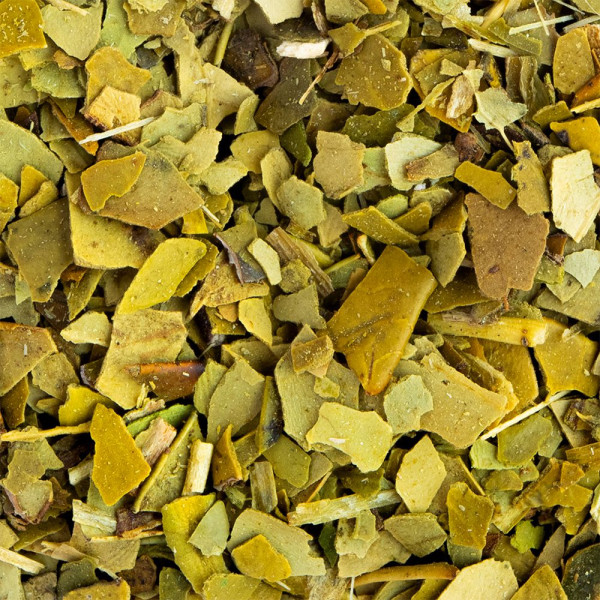
Green Yerba Mate
Organic loose-leaf green mate, also known as yerba mate, brews into a vibrant, herbaceous and invigorating infusion.
€6.50Discover
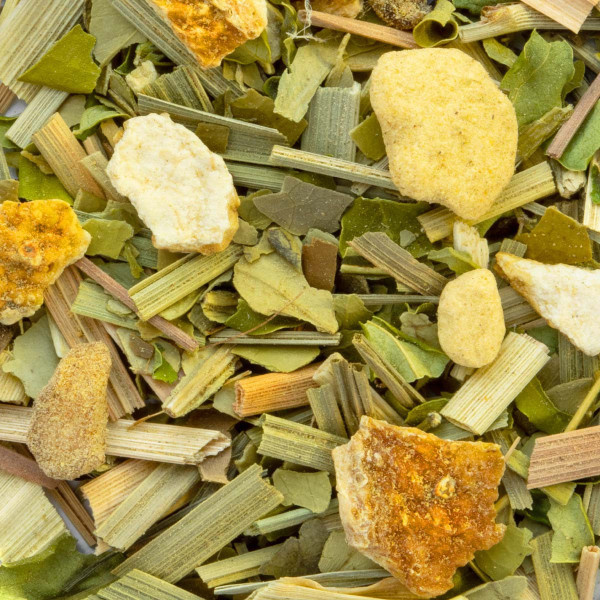
Energising Yerba Mate
Organic energising yerba mate blends yerba mate, guarana and maca into an invigorating blend with bright citrus and bergamot notes.
€8.90Discover
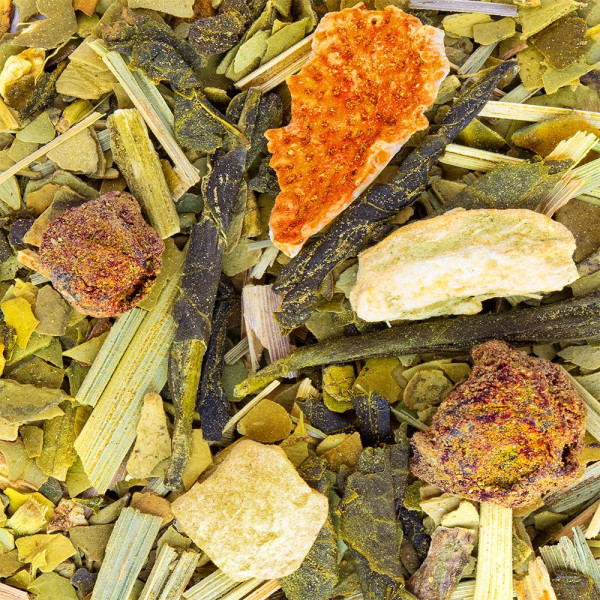
Maté Fruity Boost
Organic Maté Fruity Boost combines green maté, guarana and matcha with wild blueberry and lemon for a fruity, natural energy lift.
€9.90Discover