Pink Cloud
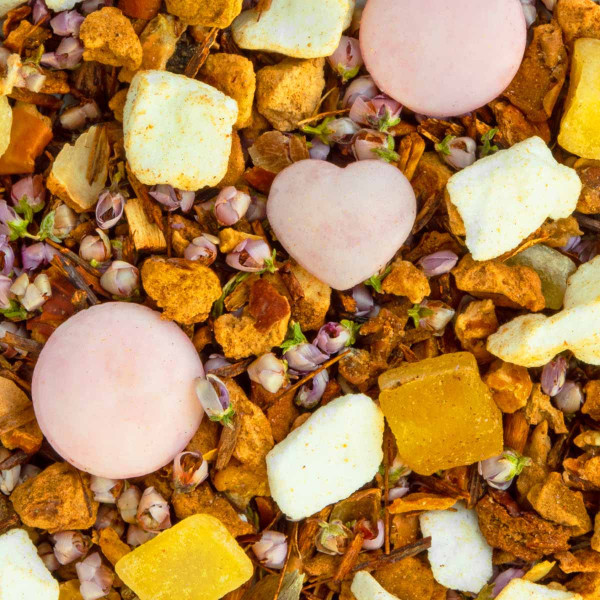
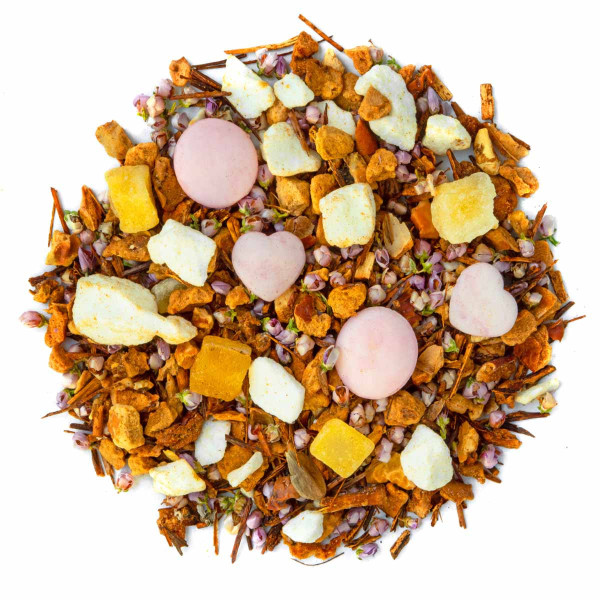
Gourmand Rooibos with candy floss, goji berries, caffeine-free
Rooibos - Honey
 Main Note:
Honey
Main Note:
Honey
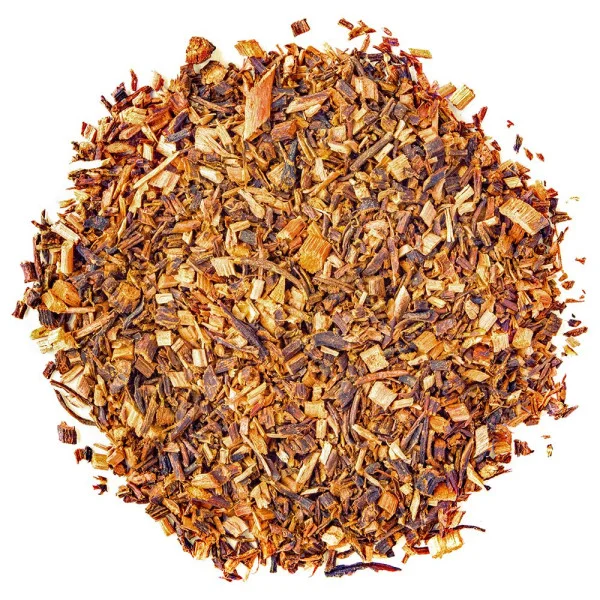
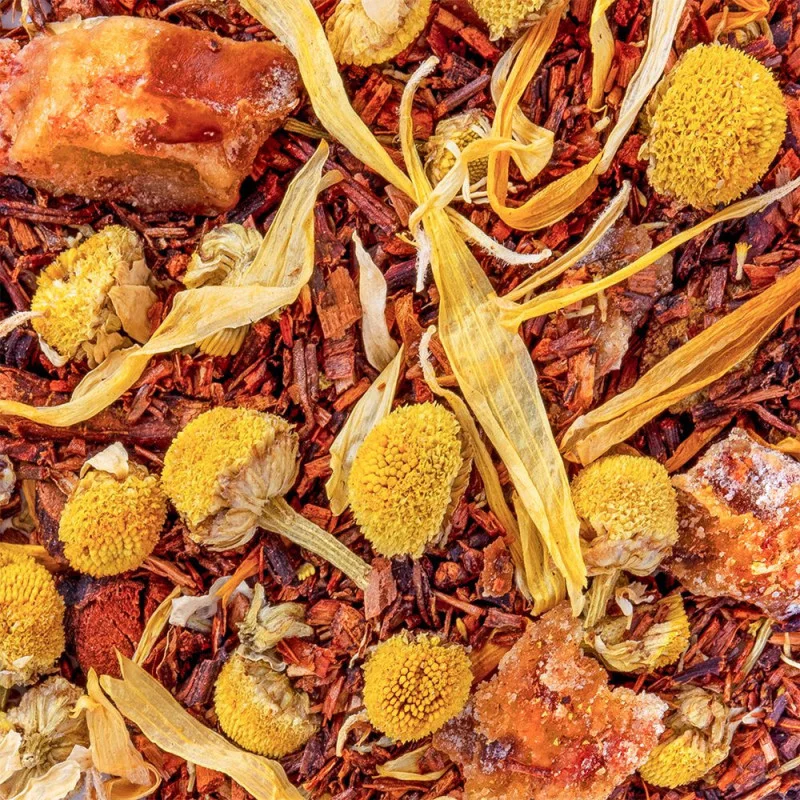
The Rooibos Honey Sweetness reveals a smooth, honeyed, caffeine-free infusion, lifted by honeybush, chamomile, date and vanilla. A truly indulgent honey rooibos, perfect from morning to evening for a moment of pure, gentle pleasure.
our expertise


In our workshop in Provence, each blend is handcrafted with passion by our team.
Real pieces of dried fruit, whole plants and carefully selected teas of origin.
Carefully crafted to create unforgettable tasting moments. A signature taste, an authentic experience.
At a glance: a honey Rooibos that is naturally round and smooth, blending Rooibos with Honeybush, chamomile, date, and vanilla. Steep at 100°C / 212°F for 7 to 10 min, 12–15 g/L. Caffeine-free, perfect any time of day or evening.
Honey Sweetness Rooibos is one of our most tender creations. Its honeyed note unfolds without a single grain of added sugar, carried by the pairing of Rooibos and Honeybush, two kindred plants celebrated for their naturally mellow character.
This indulgent herbal infusion is made for those looking for a gentle alternative to classic red tea, with a floral and fruity twist. Explore our indulgent Rooibos blends to keep the tasting journey going.
On the nose, the cup opens immediately with a honeyed note, warmed by the woody depth of Rooibos. Honeybush brings that natural sweetness that gives the blend its name.
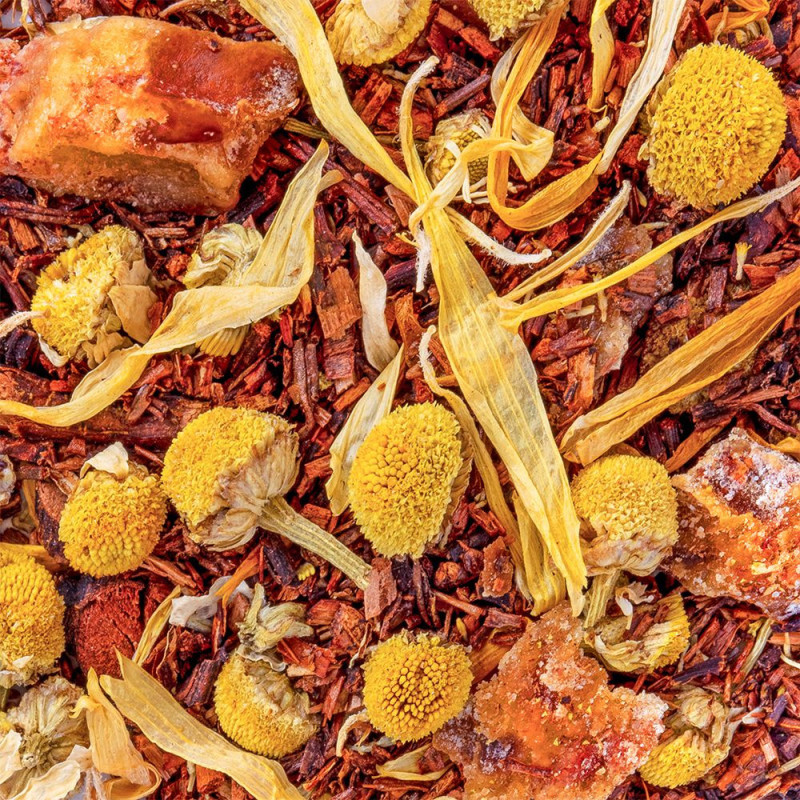
At heart, chamomile (11%) blooms with its soothing flowers, while date glides in with a fruity, candied softness. Marigold petals colour the liquor a deep amber, luminous as a ray of afternoon sun.
On the finish, vanilla wraps everything in an indulgent, velvety roundness. The result: a smooth, bitterness-free cup that can be enjoyed at any hour, even by the most sensitive palates.
To understand what makes this drink so special, explore the taste of Rooibos, a sensory journey between softness and character.
Brewing is straightforward and forgiving — one of Rooibos's great virtues. Unlike green or black teas, it never turns bitter, even with a long steep.
Water: lightly mineralised water, brought to a full boil (100°C / 212°F).
Quantity: 12 to 15 g per litre, roughly one heaped tablespoon per cup.
Time: 7 to 10 minutes, depending on how rich you like it.
Accessory: a wide-mesh infuser or a French press teapot, so the date pieces and flowers have room to open up.
For an iced version, double the quantity, steep for 10 minutes, then pour over ice. A squeeze of lemon transforms the cup into a refreshing drink, perfect on summer evenings.
Try our creamy Rooibos latte for a comforting, indulgent milk-based twist.
Rooibos is naturally caffeine-free, making it a wonderful drink from morning to bedtime, including for pregnant women and children. It invites a moment of quiet without interfering with sleep.
According to the EFSA, chamomile is traditionally used to support relaxation and digestive comfort. The ANSES notes the value of caffeine-free infusions as part of a balanced daily routine, particularly in the evening.
Julien Huot, founder of Thés & Traditions, crafted this premium blend to offer a genuinely pleasurable drink, naturally sweetened by its own ingredients, with no added sugar whatsoever. To learn more, read Everything You Need to Know About Rooibos.
Prepared in our workshop, this Rooibos keeps best in its airtight tin, away from light, moisture, and strong odours. Best enjoyed within 18 months to preserve the full honeyed note and the freshness of the flowers.
What are the benefits of honey Rooibos?
Naturally caffeine-free, this Rooibos is a companion for relaxation at any time of day. Chamomile adds a note traditionally associated with digestive comfort and calm, with no stimulation and no disruption to sleep.
How do I brew honey Rooibos?
Use 12 to 15 g per litre of water at 100°C / 212°F, and steep for 7 to 10 minutes. Rooibos never turns bitter, so you can safely extend the steep to deepen that honeyed note.
What does honey Rooibos taste like?
A generous honeyed character, underpinned by the woody roundness of Rooibos, the gentle floral softness of chamomile, candied date, and an enveloping vanilla finish. No bitterness at all.
What types of Rooibos are available?
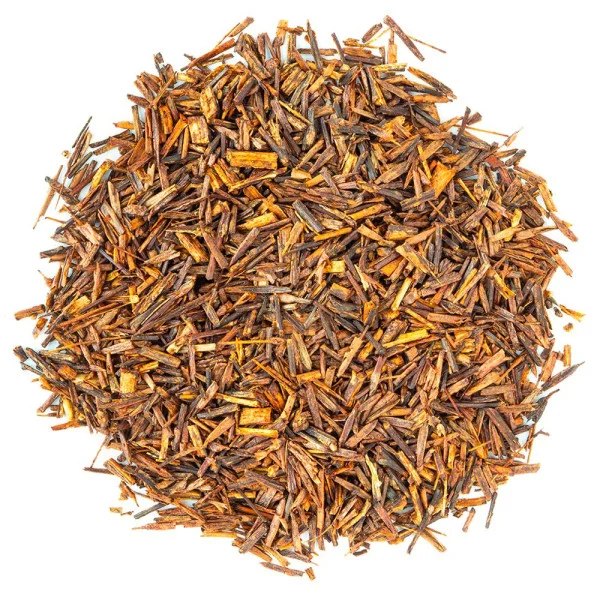
There is red Rooibos (the most common), green Rooibos (unfermented, with a more vegetal character), and Honeybush, its honeyed cousin. To understand the nuances of each variety, read the origins of Rooibos.
Information verified with the INSERM and scientific databases including PubMed. The EFSA and ANSES recommendations cited above frame the traditional use of plants and chamomile.

Gourmand Rooibos with candy floss, goji berries, caffeine-free

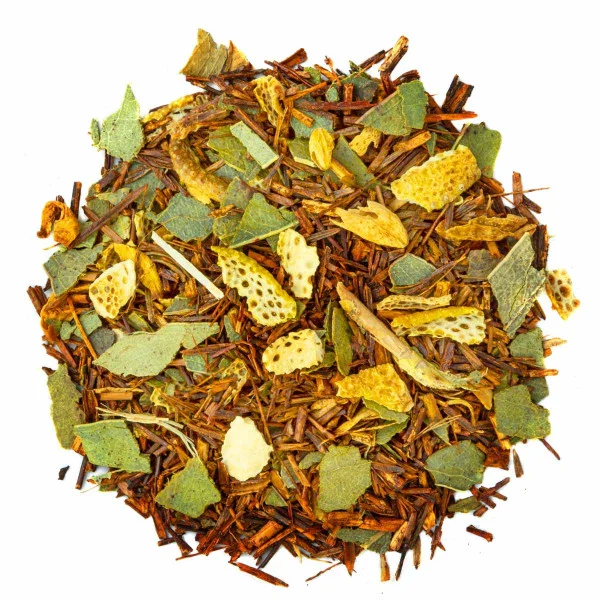
A rooibos with eucalyptus freshness and orange sweetness

Caffeine-free beverage, perfect for evening enjoyment
French House
Independent since 2016.
Fast delivery
Home delivery or click & collect.
Made with heart
In the south of France.
Customer service
A real voice at the end of the line,
Monday to Friday: 04 22 91 35 75.
Sharing, passing it on: our teas, our tips, the occasional unexpected idea, and little attentions just for you. Pure pleasure, ready to steep.