
Organic LOVE PICK
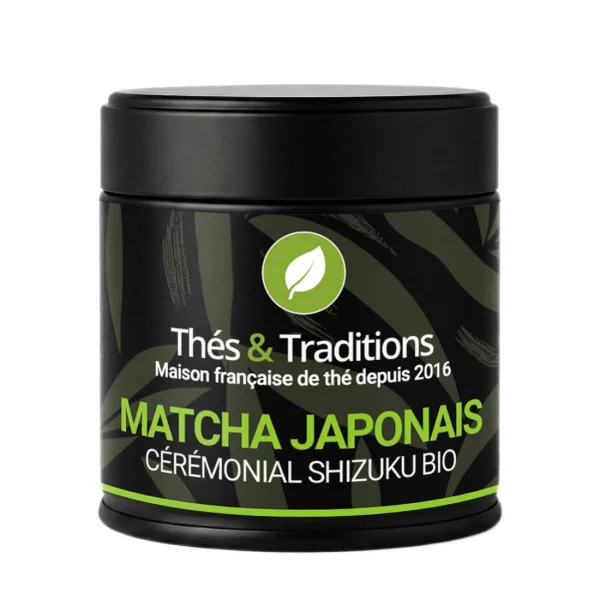
Ceremonial Matcha Shizuku
Discover the richness of Japanese Matcha tea.
 Main Note:
Fig
Main Note:
Fig
Our prickly pear green tea blends a delicate Sencha with the fruity sweetness of prickly pear, lifted by matcha, moringa and spirulina. A tonic, one-of-a-kind brew to enjoy any time of day for a vibrant moment of freshness.
our expertise


In our workshop in Provence, each blend is handcrafted with passion by our team.
Real pieces of dried fruit, whole plants and carefully selected teas of origin.
Carefully crafted to create unforgettable tasting moments. A signature taste, an authentic experience.
At a glance: A vibrant prickly pear green tea, Sencha and Matcha lifted by moringa and spirulina. Steep at 75-80°C for 2-3 min, 12-15 g/L. Enjoy any time of day.
Picture a cup that opens with the fresh, vegetal clarity of a Sencha, then unfolds into soft, fruity notes evoking the juicy flesh of prickly pear. That is exactly what this creation from Thés & Traditions delivers: a vibrant, elegant blend crafted for those who love indulgent green teas without the sweetness overload.
This flavored green tea is more than a scented brew. It brings together two complementary green teas, tender quince, plump raisins and two celebrated superfoods: moringa and spirulina. The result is a smooth, fruity, gently vegetal drink that works beautifully served hot on a quiet morning or iced on a sun-warmed afternoon.
To explore further, discover our guide to green tea, a true gateway into this captivating aromatic family.
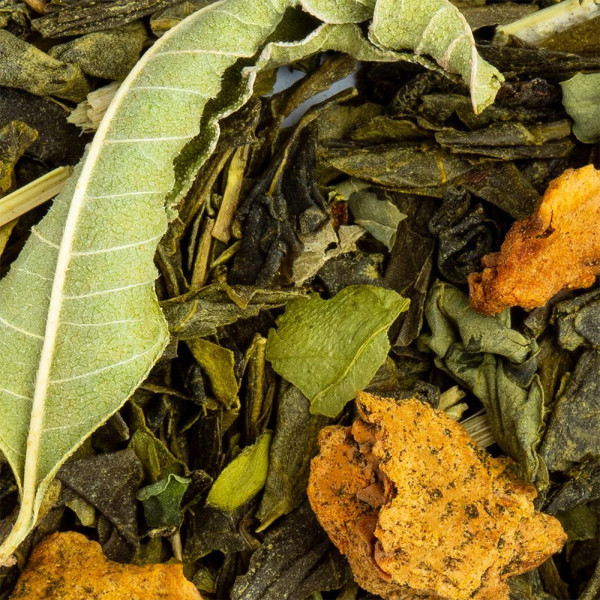
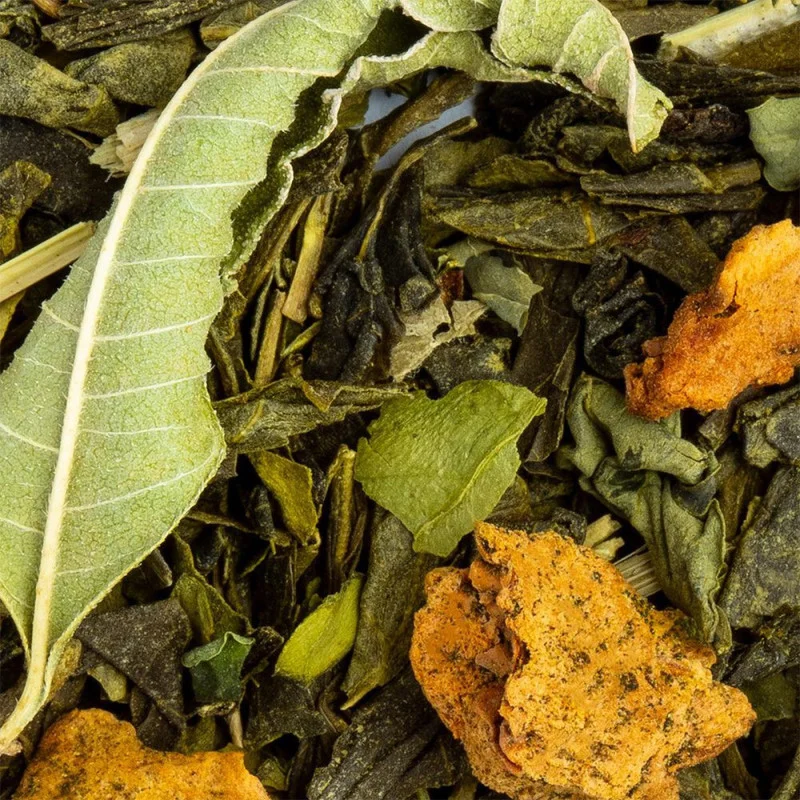
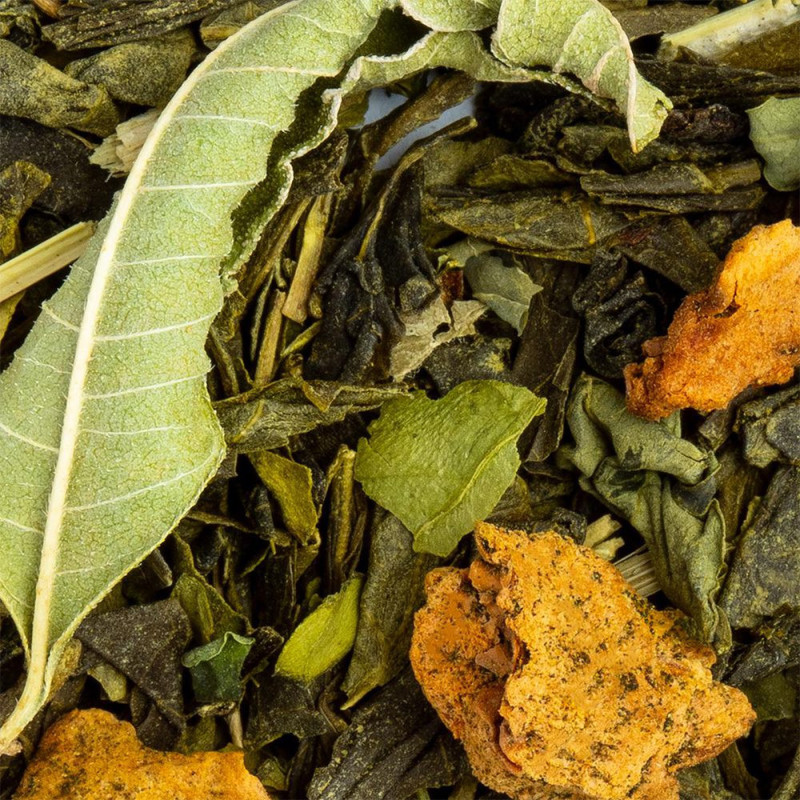
On first nose, the leaves release an indulgent, fruity fragrance centered on ripe prickly pear, with hints of golden raisin and a gentle vegetal touch from spinach and moringa leaves.
Top notes: juicy prickly pear, candied quince, golden raisin. A sweet, sun-drenched opening that recalls a fruit picked at the peak of summer.
Heart notes: herbaceous Sencha, fresh verbena, softly honeyed meadowsweet. The green breath of the infusion, its point of balance.
Base notes: umami Matcha, moringa and spirulina that carry the finish into a dense, almost mineral length, surprisingly lingering on the palate.
This generous composition makes our Japanese cherry green tea an interesting sensory cousin: if you enjoy fruity green teas, you will find another profile worth exploring there. Browse our green tea selection to build your seasonal ritual.
Getting the most from this green tea calls for a little care. Water that is too hot will scorch the Sencha and Matcha leaves, masking the fruity note. Here are the four key guidelines.
Temperature: 75 to 80°C. If you do not have a variable-temperature kettle, bring the water to a boil then let it rest off the heat for 3 to 4 minutes before pouring it over the leaves.
Quantity: 12 to 15 g per liter, roughly one level tablespoon for a large 50 cl teapot. For a single cup, use one heaped teaspoon.
Steeping time: 2 to 3 minutes. Beyond that, the bitterness of the Sencha takes over and obscures the fruity sweetness. Be sure to strain as soon as the time is up.
Water: opt for low-mineral water, ideally filtered. Heavily calcified water will dull the clarity of the drink and weigh down the flavor.
This blend lends itself beautifully to cold steeping. Use 15 g per liter of cold water, leave in the refrigerator for 6 to 8 hours, strain, then add a few slices of lemon and some fresh mint. A refreshing alternative to a classic juice on warm days.
The fruity softness of this brew pairs wonderfully with almond biscuits, fromage blanc drizzled with honey or a summer fruit salad. For a savory pause, it also complements mild cheeses such as fresh goat's cheese.
If you are looking for a more bracing green tea to start the day, you might also enjoy our Earl Grey Sencha green tea, another beautiful Sencha-based blend.
Green tea has been studied for centuries for its wealth of antioxidant compounds, particularly catechins including EGCG. According to the EFSA, these polyphenols help protect cells from oxidative stress when consumed as part of a balanced diet.
This infusion also provides a moderate dose of caffeine (theine), which supports alertness and concentration, making it a popular gentle alternative to coffee during the morning.
Moringa, often called the "tree of life," is the subject of numerous studies referenced on PubMed. Spirulina, a micro-algae long valued for its nutritional density, is regulated in France by the ANSES.
To explore further, read our green tea and wellness guide or discover when to drink green tea throughout your day. Enjoy this prickly pear green tea as part of your daily ritual and let its sunny aromas brighten each cup.
Julien Huot, founder of Thés & Traditions, personally selects every product in the range to ensure the right balance between sensory pleasure and ingredient quality.
To preserve the freshness of the Sencha and Matcha and the fruity roundness of the quince and raisin, keep the leaves in an airtight container away from light, moisture and strong odors. An opaque metal tin or a ceramic canister works perfectly.
Avoid the refrigerator, which introduces moisture and unwanted flavor transfers. A stable room temperature around 18-20°C in a kitchen cupboard away from spices is ideal. For the best flavor, use the blend within 12 months of opening.
What are the benefits of prickly pear?
Prickly pear is traditionally valued for the richness of its fruit in fiber, vitamins and antioxidants. The skin and pulp contain compounds studied for their nutritional interest. In our infusion, it is the natural flavor that brings out its sunny notes.
How is prickly pear used in cooking?
The fresh fruit is eaten peeled (watch out for the spines on the skin), in salads, sorbets or juice. It pairs naturally with lemon, honey or mint. The dried version works well in pastries and homemade infusions.
How do I prepare prickly pear green tea?
Steep 12 to 15 g of leaves per liter in water at 75-80°C for 2 to 3 minutes. Water that is too hot or steeping that is too long will bring out the bitterness of the Sencha. Strain and enjoy plain or lightly sweetened with honey.
What types of prickly pear tea are available?
You will mainly find flavored green teas (Sencha, Matcha, occasionally Gunpowder) and, less commonly, Rooibos or herbal infusions scented with prickly pear. Our selection favors a premium Sencha-Matcha blend enriched with superfoods.

Discover the richness of Japanese Matcha tea.

Like Gyokuro, Kabusecha is a shade-grown tea

Delicate and refreshing blend with fruity and zesty notes

French House
Independent since 2016.
Fast delivery
Home delivery or click & collect.
Made with heart
In the south of France.
Customer service
A real voice at the end of the line,
Monday to Friday: 04 22 91 35 75.
Sharing, passing it on: our teas, our tips, the occasional unexpected idea, and little attentions just for you. Pure pleasure, ready to steep.
Our website has changed, and so has our logo… but our house remains the same.
You will still find our carefully selected teas and infusions, our family spirit, and the same desire to share beautiful moments around tea with you.