Mate vs Matcha vs Coffee: Caffeine & Benefits Compared

Every day, we look to what we eat and drink for support in feeling our best and finding the energy to get through the day without succumbing to physical or mental fatigue. Several options are available, particularly in the form of drinks. Coffee has long been the go-to pick-me-up when tiredness sets in, but it is far from the only drink with stimulating properties. Over recent years, other beverages have made their way into our routines, each promising to energise body and mind. Among them: tea, matcha and yerba mate. What are the benefits of each, and which one suits your needs?
Yerba mate or coffee: which one powers your day?
Coffee is one of the most popular ways to start the day with energy and drive, and many people reach for a cup throughout the day to push back fatigue. But in recent years, yerba mate has become a serious rival to the classic cup of coffee. The mate vs. coffee debate is very much alive. Yerba mate offers a range of health benefits that may well inspire you to rethink your daily routine. Both mate and green coffee contain roughly similar amounts of caffeine, yet the stimulating effects differ noticeably between the two.
Yerba mate or coffee? Coffee can sometimes leave you feeling jittery or on edge, whereas the caffeine in mate tends to deliver a gentler, more gradual sense of alertness. This is because caffeine is less concentrated in yerba mate, making it generally easier on the body. Mate also has stronger diuretic properties than coffee, which is a real advantage if you are looking to stay trim, eliminate toxins, or manage your weight. It is also richer in nutrients, providing antioxidants, vitamins, amino acids, magnesium and iron. This comes down to origin: mate comes from a leaf, coffee from a seed. Ultimately, the choice between yerba mate and coffee is also a matter of taste.
Yerba mate or matcha: which is the better ally?
Yerba mate or matcha? The two are often confused, partly because their names sound similar. Both also offer real benefits for your health and make an excellent alternative to coffee or energy drinks. Both contain vitamins and minerals that support the healthy functioning of your body, and both can help lower cholesterol levels while acting as natural detoxifiers. That said, mate tends to be richer in antioxidants than matcha. Matcha, on the other hand, contains catechins, which mate does not. These compounds play a key role in fighting bacteria and infections and supporting a healthy metabolism. When it comes to caffeine, mate contains a higher concentration. Mate vs. matcha? The best choice comes down to what you are looking for in terms of nutrition and flavour. Both drinks are, however, surprisingly similar in many respects.
Yerba mate or tea? The key differences
Yerba mate or tea? The two are often mixed up, especially mate and green tea. Their names are close, and several of their benefits overlap. However, caffeine is present in higher concentrations in yerba mate. Both mate and green tea have a positive effect on digestion and your overall digestive system. Mate is a particularly useful companion during a weight-loss programme, as it acts on the metabolism of sugars and fats. Green tea also helps burn fat, making it a valuable detox option for those looking to shed weight. Athletes often favour mate for its ability to reduce physical and muscle fatigue. That said, combining mate and tea can deliver even better results, particularly when weight management is the goal.
Mate, tea or herbal infusion: what sets them apart
Humans have used plants for healing and relaxation for thousands of years. Herbal infusions allow us to enjoy the many benefits of plants through methods such as maceration, decoction or infusion. They preserve the plant's active compounds over a long period and can be prepared using loose herbs or tea bags found in stores. Yerba mate can also be enjoyed as an herbal infusion, with mate leaves steeped in hot water. The result is a drink that is both stimulating and diuretic, with effects comparable to coffee or tea.
Browse our range of organic yerba mate in loose-leaf form: green mate, traditional mate, and fruity blends (orange, pomegranate, mango-guava). Certified organic farming, delivered across mainland France.
Treat yourself to a true matcha moment with our organic matchas from Japan.
Tempted to try it?
Our selection related to this article, loose leaf and organic.
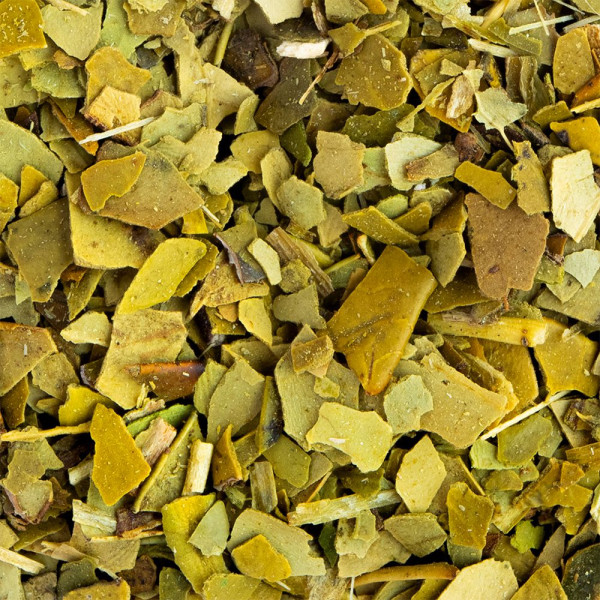
Green Yerba Mate
Organic loose-leaf green mate, also known as yerba mate, brews into a vibrant, herbaceous and invigorating infusion.
€6.50Discover
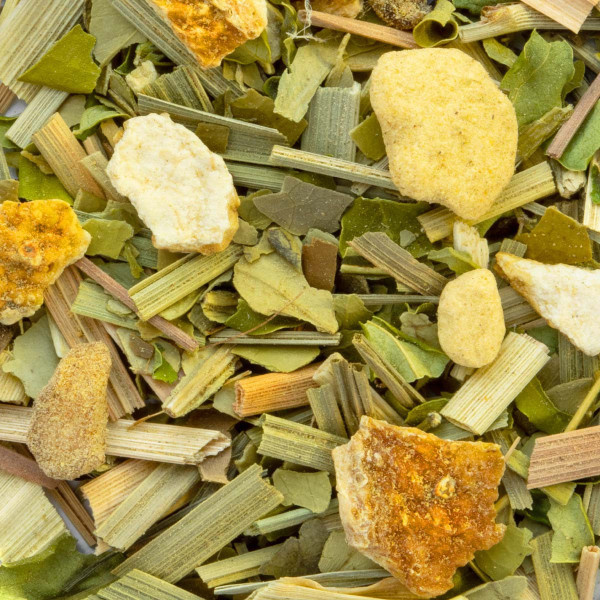
Energising Yerba Mate
Organic energising yerba mate blends yerba mate, guarana and maca into an invigorating blend with bright citrus and bergamot notes.
€8.90Discover
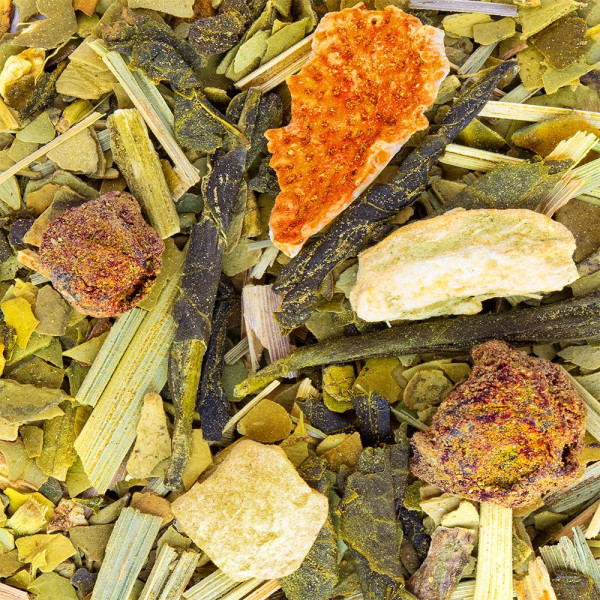
Maté Fruity Boost
Organic Maté Fruity Boost combines green maté, guarana and matcha with wild blueberry and lemon for a fruity, natural energy lift.
€9.90Discover