How to Make Matcha Without a Whisk: Alternative Techniques

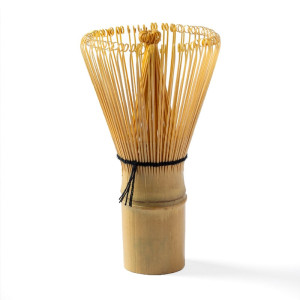
Craving a smooth, velvety matcha but your bamboo whisk has vanished somewhere in the depths of your kitchen? No need to worry. At Thés & Traditions, we know that the art of matcha goes far beyond traditional tools. In fact, we've discovered alternative techniques that bring out all the richness of this exceptional tea, even without a chasen.
This jade-green powder, a true treasure of Japanese tradition, deserves to be enjoyed in all its glory. Whether you're a newcomer or a seasoned enthusiast, we'll share the secrets of a perfect preparation using tools you already have at home. Because matcha is, above all, a moment of calm that fits into your everyday life.
Key Takeaways for a Perfect Matcha
- The electric milk frother: your best ally for a silky texture and delicate foam, especially suited to creamy matcha lattes
- The handheld frother: compact and effective, it gives you full control over texture while preserving subtle aromas
- The shaker technique: ideal for iced preparations and moments when simplicity is everything
- Quality first: a first-harvest ceremonial matcha will transform your experience, whatever method you choose
- Temperature is everything: between 70 and 80°C to preserve vegetal notes and avoid bitterness
The Electric Milk Frother: Excellence Within Reach
This is our favourite technique, the one that comes closest to traditional perfection. An electric milk frother produces a remarkably fine texture, creating that delicate foam that defines an exceptional matcha.
Start by adding half a teaspoon of your ceremonial matcha to the jug. This measured amount delivers that characteristic depth of flavour. Then add a small pour of water at 75°C: this temperature preserves the catechins while releasing complex aromas.
Switch on the foam setting and let the magic happen. In just a few seconds, you'll have a smooth, lump-free preparation with that velvety texture that makes matcha so special. For a matcha latte, simply replace part of the water with your favourite plant-based milk.
This method has the undeniable advantage of speed, while consistently delivering excellent results. Clean up straight away: a quick rinse with warm water is all it takes to keep your equipment in good shape.
The Handheld Frother: Precision at Your Fingertips
More intimate in feel, the handheld frother reconnects you with time-honoured gestures while offering modern practicality. This technique requires a little more attention, but rewards you with complete control over the final texture.
In a medium-sized bowl, add your matcha and gradually incorporate a small amount of hot water. This first step, a crucial one, creates a smooth paste that prevents lumps from forming. Gently place the frother in the bowl and work it in circular motions for about fifteen seconds.
Pour in the remaining water in a steady stream, keeping the frother moving throughout. This almost meditative gesture lets you adjust the texture to your liking. Some prefer a lighter, airier foam; others enjoy a denser, more concentrated consistency.
The beauty of this method lies in its portability. Slip the handheld frother into your bag and take your matcha ritual anywhere, turning any moment into a mindful pause.
The Shaker Technique: Simple and Effective
Sometimes simplicity reveals unexpected pleasures. The shaker, that familiar kitchen tool, becomes a surprisingly capable companion for making matcha, particularly for iced versions that are perfect on a warm summer's day.
Add your matcha and water to the shaker, seal it firmly, and shake vigorously for about thirty seconds. This energetic movement blends everything thoroughly while creating a light emulsion.
This method won't produce the characteristic foam of a traditional whisk, but it does deliver a fluid, pleasant texture. It truly comes into its own with iced matcha lattes, where ice cubes round out the drink beautifully.
For those who love cold drinks, add a few ice cubes directly to the shaker. The temperature contrast brings out different flavour nuances, refreshing and thirst-quenching in equal measure.
Mistakes That Can Compromise Your Matcha
Even with the best technique, a few pitfalls can get in the way. Water that's too hot is the most common mistake: boiling water effectively scorches the leaves, producing that unpleasant bitterness that masks the subtler notes.
Using too much powder is another frequent trap. More matcha doesn't mean more benefits; it means a chalky texture and an unbalanced flavour. Stick to half a teaspoon for 60 to 70 ml of water.
The quality of your matcha directly shapes the final result. A culinary-grade matcha, designed for baking, will never offer the refinement of a ceremonial one. Choosing a first-harvest matcha will radically transform your tasting experience.
Finally, rushing the process works against you. Take the time to form a smooth paste first, before adding the rest of the liquid. This step, seemingly minor, is what determines the success of your preparation.
Where Tradition and Modernity Meet
These alternative techniques don't betray tradition: they bring it into the present. Matcha remains what it has always been, a moment of connection with yourself, a pause from the noise of daily life.
Whether you choose the electric frother for its convenience, the handheld frother for its hands-on quality, or the shaker for its simplicity, what matters most is the quality of your matcha and the care you bring to its preparation.
At Thés & Traditions, we believe every cup tells a story. Yours begins with choosing an exceptional matcha, continues with a thoughtful preparation, and finds its fullest expression in that singular moment of tasting.
Frequently Asked Questions About Making Matcha Without a Whisk
Absolutely. An electric milk frother produces a foam remarkably close to what you'd get with a chasen. The texture will be slightly different, but just as enjoyable. A handheld frother also delivers excellent results with a little practice.
All of these methods preserve the aromas, provided the temperature is right. The handheld frother allows for finer control, while the electric frother ensures consistent results every time. Ultimately, the quality of your ceremonial matcha is what matters most.
Perfectly suited. The electric milk frother excels at this. Start by making your matcha base with a small amount of water, then add your favourite plant-based milk. The result will be smooth, creamy, and delicious.
Sifting does improve the final texture by breaking up any clumps. If you have a fine-mesh sieve, it's worth using, particularly with manual methods that are less effective at eliminating lumps on their own.
Not at all. Foam enhances the sensory experience, but it has no effect on flavour or the beneficial properties of the tea. A well-mixed matcha, even without foam, retains all its richness and character.
They fit seamlessly into a daily routine. The electric frother is ideal for busy mornings, while the handheld frother suits more contemplative moments. Mix and match depending on your mood and how much time you have.
To taste it is to love it : find our matcha shop, sourced directly from Japan.
Tempted to try it?
Our selection related to this article, loose leaf and organic.
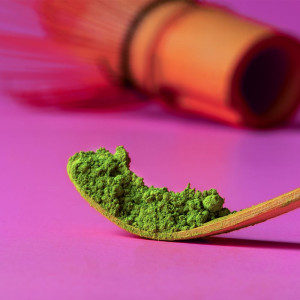
Shizuku Organic Ceremonial Japanese Matcha
Shizuku organic ceremonial Japanese matcha is a vibrant green powder, finely stone-ground, with silky umami notes and a delicat…
€16.90Discover
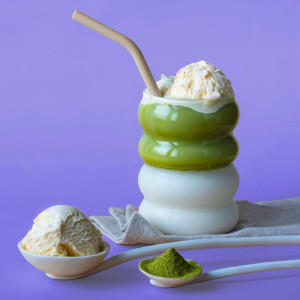
Vanilla Matcha
Vanilla matcha brings together a premium Japanese matcha and natural vanilla powder, for a smooth, velvety cup with umami and i…
€16.90Discover