The Matcha Whisk: An Essential Tool for the Perfect Cup

The matcha whisk, known in Japanese as a chasen, is far more than a simple kitchen utensil. It is the very soul of the tea ceremony, the tool that transforms a green powder into a smooth, frothy drink. At Thés & Traditions, we see this small bamboo accessory as a bridge between Japan's centuries-old tradition and your everyday moment of pleasure.
Picture yourself holding this delicate object in your hands, its fine bamboo tines ready to dance through your bowl. Each zigzag motion creates the foam so characteristic of matcha, that velvety texture which makes all the difference between a simple powdered tea and a truly sensory experience.
Key Takeaways
- The chasen is the essential tool for an authentic matcha preparation
- Its 80 to 120 bamboo tines create the characteristic froth
- A good whisk completely transforms the texture and flavour of your matcha
- Gentle care ensures its longevity and performance
- Choosing a quality chasen is a way of honouring Japanese tradition
Why Is the Matcha Whisk So Special?
The secret of the chasen lies in its age-old design. Unlike a conventional whisk, this traditional Japanese tool features dozens of fine tines carved from a single piece of bamboo. This is no small detail: it allows a perfect emulsion to form between the matcha powder and the hot water.
When you whisk your matcha with a chasen, you are not simply combining ingredients. You are creating an alchemy. The flexible bamboo tines incorporate air with great delicacy, building the creamy foam that defines a well-prepared matcha. It is this texture that unlocks all the subtle aromas of the powdered green tea.
Did you know that in Japan, the quality of the foam is considered a mark of mastery in the tea ceremony? The finer and more even the foam, the greater the respect the practitioner shows for this ancient art.
How to Choose Your Matcha Whisk
The number of tines makes all the difference. A traditional chasen generally has between 80 and 120 strands. The more there are, the finer and smoother the foam will be. For beginners, a 100-tine whisk strikes an excellent balance between efficiency and ease of use.
The quality of the bamboo matters just as much. A good chasen is carved from white bamboo (shiro-dake), prized for its flexibility and resilience. The tines should be supple enough not to snap during whisking, yet firm enough to generate the movement needed for emulsification.
Watch out for imitations. A genuine handcrafted chasen has slightly irregular tines, a sign that it was carved by hand. Industrial versions, while less expensive, rarely deliver the same quality of foam and tend to break more easily.
A word of advice from our house: invest in a quality chasen from the start. It is a purchase that will stay with you for years and will genuinely transform your matcha experience.
The Perfect Technique for Using Your Matcha Whisk
First things first: prepare your chasen by soaking it in hot water for a few minutes. This softens the tines and prevents them from snapping during whisking. It is a simple but essential step that many people overlook.
Next, place 1 to 2 grams of matcha in your bowl (ideally a traditional chawan). Add around 60 ml of water at 70°C, never boiling, as too much heat will scorch the delicate aromas of the tea.
Now comes the magical moment: the whisking. Hold your chasen firmly and make quick "M"-shaped or zigzag movements. The idea is not to stir in circles as you would with a conventional whisk, but to create a brisk back-and-forth motion. Within 15 to 20 seconds, you should see that beautiful green foam appear, the sign of a successful preparation.
The key? Keep the whisk upright and never let the tines touch the bottom of the bowl. Let them move freely through the liquid to create that uniquely silky texture.
Caring for Your Chasen
A well-maintained chasen can last for years. After each use, rinse it immediately under lukewarm water (never hot) without soap. Matcha residue comes away easily with a simple rinse.
Gently shake off the excess water and leave your whisk to dry upright, tines facing up. Some purists use a special stand called a kusenaoshi, which helps the tines keep their perfect shape. If you do not have one, a narrow glass works just as well.
Never put your chasen in the dishwasher. The heat and chemicals would irreparably damage the bamboo fibres. And avoid leaving it to soak: bamboo absorbs water and may crack.
With these simple precautions, your matcha whisk will stay at its best and accompany you through many tea ceremonies to come.
Mistakes to Avoid
The most common mistake is whisking too hard. A chasen is not a kitchen whisk. Its delicate tines can break if you use too much force. The Japanese technique favours speed over strength.
Another frequent pitfall is using water that is too hot. Above 80°C, you risk "cooking" your matcha, which will give it an unpleasant bitterness and destroy its nutritional properties. The ideal temperature is between 70 and 75°C.
Many people also overlook the quality of their matcha. A perfect whisk can do nothing with a poor-quality powder. At Thés & Traditions, we select our matchas with the same care as our chasens, because one cannot do without the other.
Finally, never store your chasen in a damp place. Bamboo is sensitive to moisture and could develop mould. A dry, well-ventilated spot suits it perfectly.
When to Replace Your Matcha Whisk
A quality chasen can last several years with regular use. That said, certain signs suggest it is time for a replacement. If more than 10% of the tines are broken, if the bamboo starts to yellow, or if you can no longer achieve a good foam despite using the right technique, it is time to move on.
Japanese tea masters recommend renewing a chasen every two to three years with daily use. It is a modest investment compared to the pleasure it brings and the respect it pays to this centuries-old tradition.
At Thés & Traditions, we think of a good chasen rather like a musical instrument: it improves with use, develops its own character, but eventually needs to be replaced to keep giving its best.
Frequently Asked Questions
Technically, yes, but the result will never be the same. A standard kitchen whisk cannot create the frothy texture so characteristic of matcha. You will end up with a mixture, certainly, but not that perfect emulsion which brings out all the aromas. Think of it like playing the violin with a double bass bow: it works, but it is far from ideal.
Generally, 15 to 20 seconds is enough to achieve a good foam. What matters is not the time but the technique: quick zigzag movements, without touching the bottom of the bowl. If after 30 seconds there is still no foam, check the temperature of your water and the quality of your matcha.
Losing a few tines at the start is normal, especially with a first chasen. Bamboo softens with use. However, if you are losing more than two or three tines a month, your technique may be too forceful, or the quality of the whisk may not be optimal.
For home use, an all-purpose chasen works perfectly well. Tea masters sometimes use specific whisks depending on whether they are preparing koicha (thick tea) or usucha (thin tea), but this level of nuance is not necessary for beginners.
A quality chasen has tines that are supple yet resilient, carved from pale, even bamboo. The tines should be slightly irregular (a sign of handcraft), and the whisk should feel well-balanced in the hand. Be wary of versions that look too uniform or are priced very low.
Treat yourself to a true matcha moment with our organic Japanese matcha.
Tempted to try it?
Our selection related to this article, loose leaf and organic.
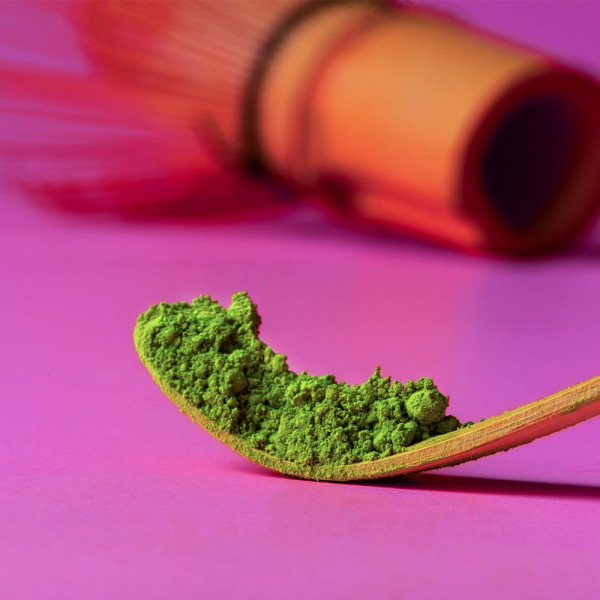
Shizuku Organic Ceremonial Japanese Matcha
Shizuku organic ceremonial Japanese matcha is a vibrant green powder, finely stone-ground, with silky umami notes and a delicat…
€16.90Discover
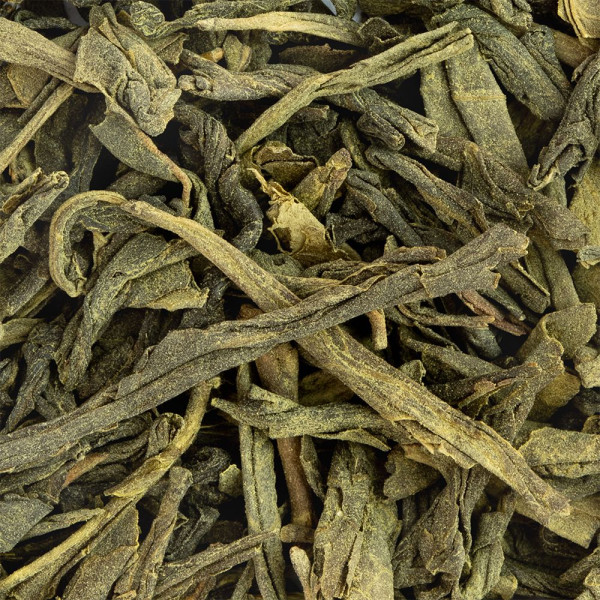
Sencha Matcha Green Tea
Organic Sencha Matcha green tea blends 98% Sencha leaves with 2% Matcha powder for a cup that is vegetal, bright and silky smooth.
€10.90Discover
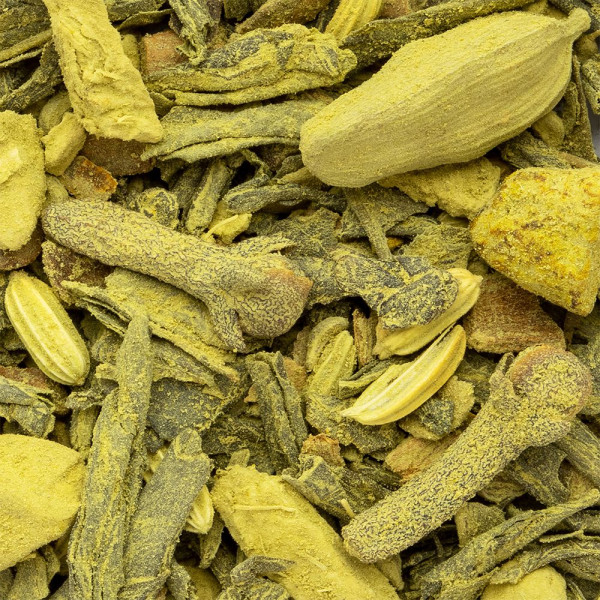
Chai Matcha Green Tea
Organic chai matcha green tea brings together the brightness of sencha and the smooth depth of matcha, lifted by a warming blen…
€8.50Discover