Why Choose a Glass Teapot?

Any tea lover will tell you: choosing the right teapot matters when it comes to brewing a great cup. In some countries, it has become a true ritual, perhaps nowhere more so than in Japan. The cast iron teapot is the symbol of the Japanese tea ceremony, known as Cha No Yu. But why choose a glass teapot? Here's everything you need to know.
Browse our glass teapots
Glass teapots: what are the key features?
Glass teapots come in a wide range of designs, but there's more to consider than looks or capacity. Several other factors come into play when choosing your glass teapot.
A teapot with no memory
Glass teapots belong to the category of memory-free teapots. What does that mean? Unlike materials such as cast iron or porcelain, glass doesn't absorb the flavours of your infusion. Glass is a neutral material, which means you can brew all kinds of teas in the same pot, from green tea to Assam black tea, without any flavour transfer.
Filter options for glass teapots
Glass teapots are available with several types of filters or infusers. You can opt for a model with a glass filter for a completely transparent brewing experience. The downside is that this style typically features a basket with ridged grooves at the base, where small leaf fragments or spice pieces can get trapped.
Glass teapots can also come with a removable stainless steel filter. This may take the form of a spiral infuser that hooks onto the spout, or a plunger-style filter similar to a cafetière.
Finally, you can choose a glass teapot with a finely perforated stainless steel basket infuser. This style works beautifully with all kinds of loose-leaf teas, whether large or small leaf, as well as fruit pieces and botanicals.
A closer look at borosilicate glass teapots
Borosilicate glass teapots are particularly valued for their quality and, above all, their durability. Made from borates and silica, this glass withstands temperatures ranging from -20°C to 150°C. A borosilicate glass teapot can even be used as a kettle, placed directly on any heat source except induction. It's worth noting, however, that glass is not an insulating material, so the handle can become very hot when removed from the heat.
Glass teapots: what are the benefits?
One drawback of glass teapots is that they retain heat for a relatively short time. If you like your tea piping hot, you'll want to pour and enjoy it promptly. That said, glass teapots offer plenty of advantages.
An eco-friendly teapot
Glass is a durable, long-lasting material, provided you don't drop it. Unlike cast iron, it's resistant to corrosion and scratching, and glass is 100% recyclable.
A transparent view of your brew
A glass teapot lets you watch the infusion unfold and see the water take on its full colour. It's especially well suited to display teas or those worth admiring as they bloom, such as flowering teas.
Glass teapots: easy to care for
Another advantage of glass teapots is how easy they are to clean. Some models are dishwasher-safe, and if not, a simple rinse with water is usually all that's needed. Just leave your teapot to dry with the lid off.
To learn more, take a look at our related articles:
Tempted to try it?
Our selection related to this article, loose leaf and organic.
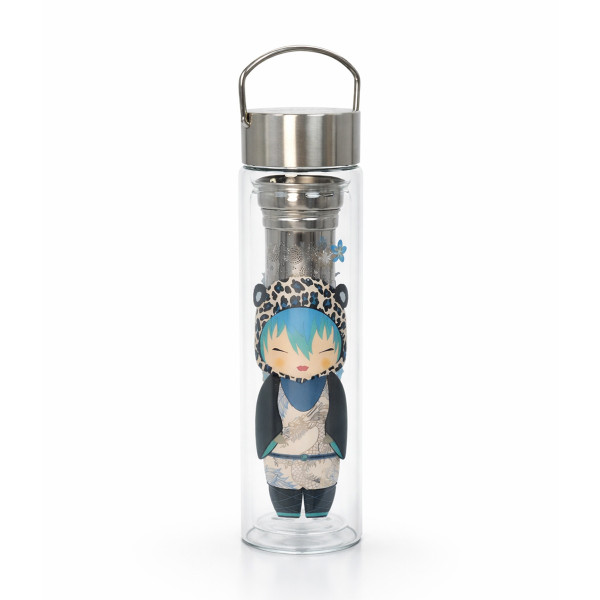
Flowtea Little Animals Leo Glass Teapot
Meet the Flowtea Little Animals Leo glass teapot, a brewing companion designed to make every infusion a little more beautiful.
€28.90Discover
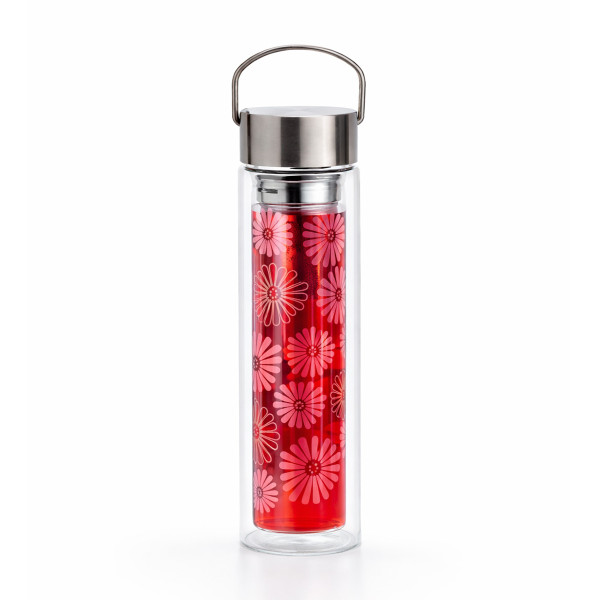
Flowtea Amami Glass Teapot
Meet the Flowtea Amami Glass Teapot, an exceptional accessory that turns every tasting moment into a cherished ritual.
€28.90Discover