Black Tea or Green Tea: Which One Is Right for You?

Green or black, tea offers real benefits for your health. While its colour affects its composition slightly, tea remains a great wellness companion regardless of its shade. Black tea is oxidised and fermented, giving it a different set of antioxidants — equally valuable — along with a stronger caffeine content and a more intense flavour. Here's how to choose between black tea and green tea.
- How black tea and green tea are made
- The health benefits of each tea, up close
- The right tea for every moment
How black tea and green tea are made
Whether white, green, or black, every tea comes from the leaves of the tea plant. What sets them apart happens after picking: some teas go through an oxidation phase, others don't.
How green tea is made
Green tea, much like white tea, is the go-to drink in China and Japan. Its defining characteristic is that it undergoes no oxidation, which preserves its full range of health benefits.
How black tea is made
Black tea requires the leaves to be oxidised, then dried and fermented over a longer period. This process alters their properties somewhat and makes them notably richer in caffeine.
The health benefits of each tea, up close
Both black and green teas offer a wealth of benefits for the body. That said, their antioxidants differ, and so do the ways they act on your system.
The benefits of green tea
Green tea varieties are rich in antioxidant compounds. Polyphenols and catechins are abundant, working to protect the body from within.
Drinking green tea is particularly associated with:
- Supporting weight management;
- Reducing the risk of certain cancers;
- Fighting fatigue;
- Protecting the body against oxidative stress.
Green tea also helps reduce the absorption of iron from food.
The benefits of black tea
Black teas have a higher caffeine content. Fermentation also transforms their antioxidant profile, bringing in a meaningful amount of theaflavins, another compound in the polyphenol family. These theaflavins have some interesting effects on the body.
Drinking organic black tea has been associated with benefits for:
- Weight management;
- Protection against prostate cancer;
- Cardiovascular regulation.
Like green tea, black tea also reduces iron absorption from food.
The right tea for every moment
Leaf tea infusions suit everyone. That said, depending on your sensitivity, it's worth paying attention to the caffeine content so you get the most out of every cup.
Morning tea: an energising black tea
Higher in caffeine, black tea is, like coffee, a natural choice for the morning. Its caffeine delivers an invigorating effect. Traditionalists also enjoy it in the afternoon as part of the classic cup of tea ritual, often with a splash of milk. Some people drink black tea in the evening, though it can interfere with sleep for those who are sensitive to caffeine.
Evening tea: a low-caffeine green tea
Green tea is rich in antioxidants and low in caffeine, making it a pleasant companion throughout the day. A cup after meals is a lovely way to help your body process fats. Simply steep the leaves in hot water and let them do the rest.
Oolong black tea can also be enjoyed in the evening. A tea of exceptional quality, it is one of the few black teas naturally low in caffeine.
Why not taste it ? Discover our organic black teas and let yourself be tempted.
Tempted to try it?
Our selection related to this article, loose leaf and organic.
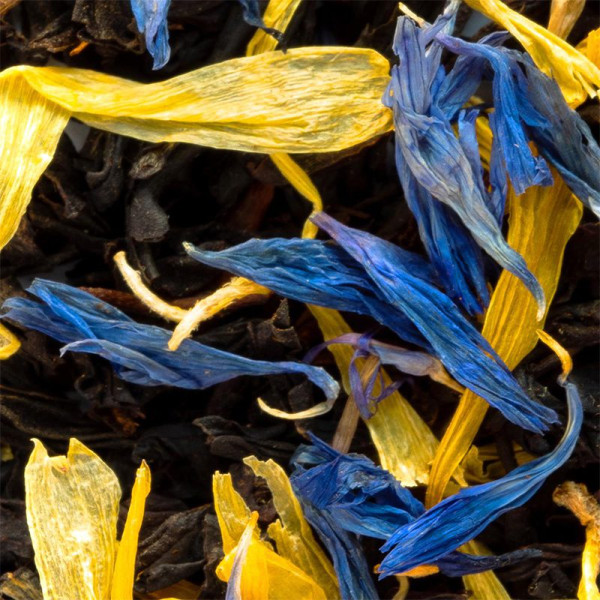
Russian Earl Grey Black Tea
Russian Earl Grey black tea brings together an organic Earl Grey with three natural citrus fruits: grapefruit, lemon, and bergamot.
€9.90Discover
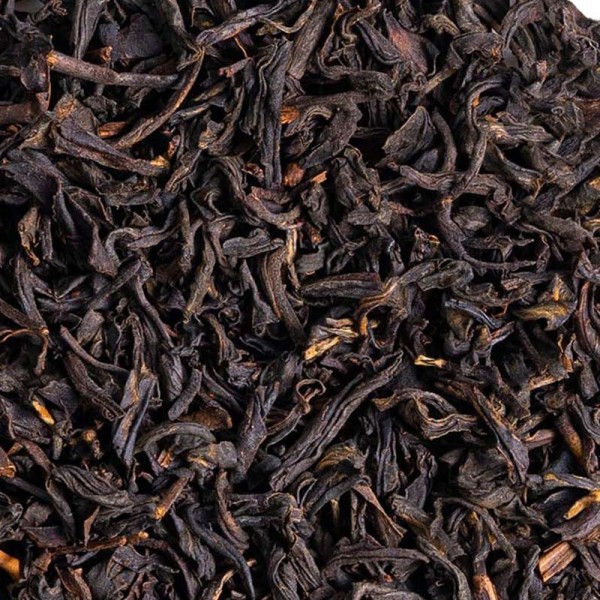
Lapsang Souchong Black Tea
Organic Lapsang Souchong black tea, the celebrated Chinese smoked tea, unfolds unforgettable woody and resinous notes.
€9.90Discover
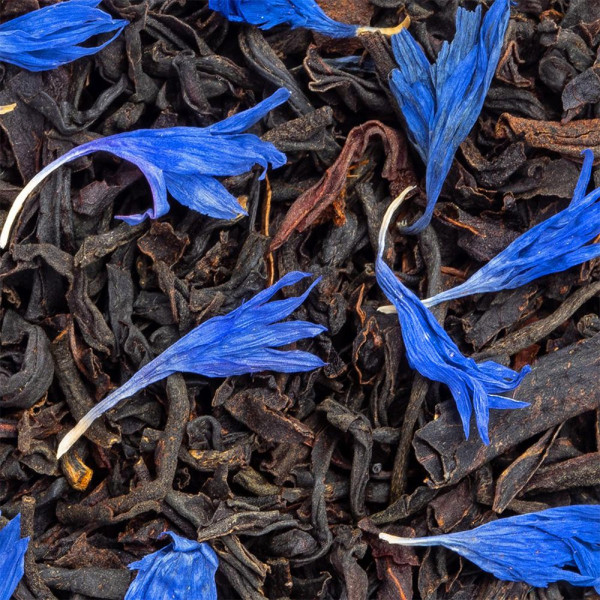
Blue Earl Grey Black Tea
Organic Blue Earl Grey black tea brings together a rich Assam from South India, the natural aroma of bergamot, and delicate roy…
€9.10Discover