A Black Tea for Every Taste

Whether black, white, or green, every tea has its own distinct character. From China, India, and Sri Lanka, they each develop a remarkable range of aromas. Bolder, smoother, or more intense, every organic tea suits a different palate. Here is how to find the black tea that is right for you.
- Choosing your black tea based on how the leaves are grown
- Choosing your organic tea infusion based on origin
- Choosing your tea based on your flavor preferences
Choosing your black tea based on how the leaves are grown
A victim of its own success, black tea can sometimes lose its finest qualities when grown or processed using industrial methods.
Organic black tea, for richer flavor
Most traditional teas from India and China are organic, cultivated with respect for both tradition and nature. Slow-grown in the sun, the leaves develop fully, becoming rich in flavor and antioxidants.
Traditionally oxidized black tea, for greater depth
The oxidation of black tea is a delicate process. When carried out in the traditional way, it preserves many of the health benefits of green tea while transforming its flavor profile. Some producers, however, now rely on industrial methods that strip the tea of its aromas and antioxidants, resulting in a harsher taste and more stimulating caffeine content.
Choosing your organic tea infusion based on origin
The tea market, whether white, green, black, or red (rooibos), is more varied than ever. While teas from all corners of the world are available, Chinese teas and Indian teas remain the most celebrated.
Chinese black teas, the most traditional
Chinese black tea is produced according to the purest tradition: beautiful leaves, slowly and carefully oxidized with water and sunlight.
The main Chinese organic teas include:
- Lapsang Souchong;
- Keemun black tea;
- Yunnan Dian Hong.
Oolong occupies a category of its own. Thanks to its lower caffeine content, it can be enjoyed throughout the day.
Indian black teas, the most popular
At the foothills of the Himalayas, organic Indian black tea is grown slowly, producing leaves of rare quality.
The main Indian teas include:
- Organic Ceylon black tea;
- Organic Darjeeling black tea;
- Organic Nilgiri black tea;
- Organic Assam black tea.
Ceylon black tea is the most widely enjoyed, but it is Assam black tea that offers the richest flavor profile. Darjeeling, for its part, is the key ingredient in the classic British cup of tea.
Choosing your tea based on your flavor preferences
Each tea develops its own unique palette of flavors. Some are best enjoyed on their own; others pair beautifully with spices, botanicals, or a splash of milk.
Traditional teas, an incomparable taste
Premium teas like Oolong need nothing added. These tea infusions are best savored plain, without sugar or milk. Their body notes are often powerful and complex.
Other teas lend themselves wonderfully to the English style, with a dash of milk. This is particularly true of organic Indian teas such as Ceylon, Darjeeling, and Assam.
Flavored organic teas, unexpected pleasures
Flavored black teas are often underestimated. Sometimes closer to an herbal infusion than a pure tea, they are nonetheless hugely popular in China, India, and England.
The most renowned flavored black teas include:
- Earl Grey (black tea with bergamot);
- Christmas tea;
- Rose tea.
Earl Grey is the best known, with a flavor profile quite distinct from Oolong or Darjeeling. While any black tea (and sometimes green or white tea) can serve as its base, the original recipe calls for organic Assam black tea.
Distinctive teas, bold and surprising
Lapsang Souchong, China's celebrated smoked tea, is an experience in itself. Its subtly smoky, almost savory character sets it apart in the world of tea.
Build your morning ritual : browse our black teas to discover, plain or flavoured.
Tempted to try it?
Our selection related to this article, loose leaf and organic.
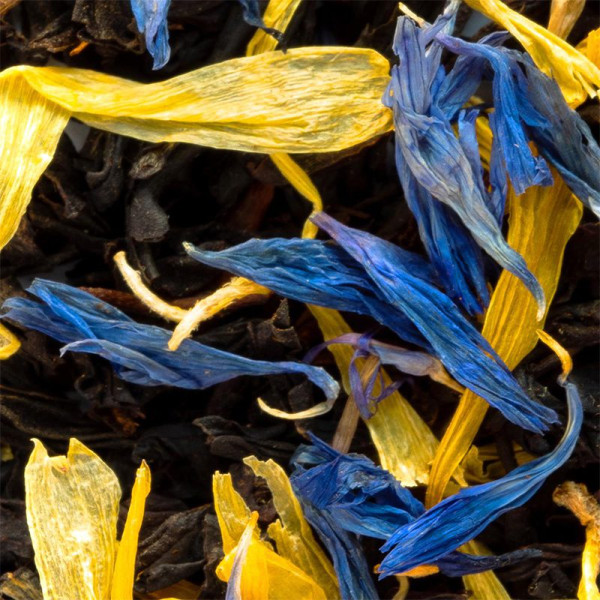
Russian Earl Grey Black Tea
Russian Earl Grey black tea brings together an organic Earl Grey with three natural citrus fruits: grapefruit, lemon, and bergamot.
€9.90Discover
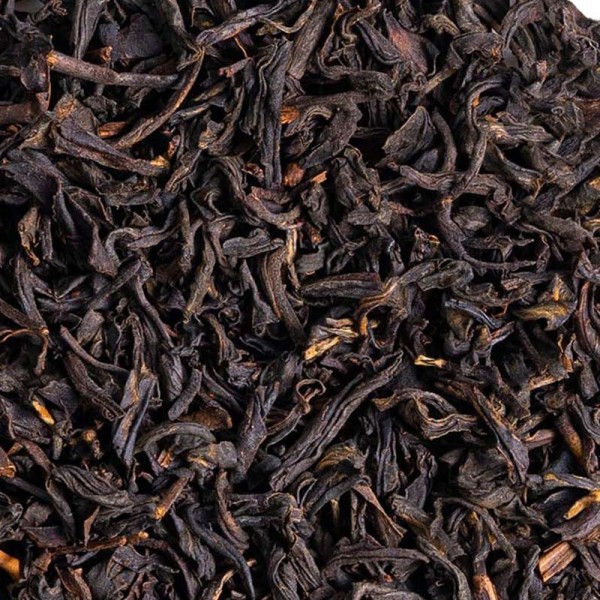
Lapsang Souchong Black Tea
Organic Lapsang Souchong black tea, the celebrated Chinese smoked tea, unfolds unforgettable woody and resinous notes.
€9.90Discover
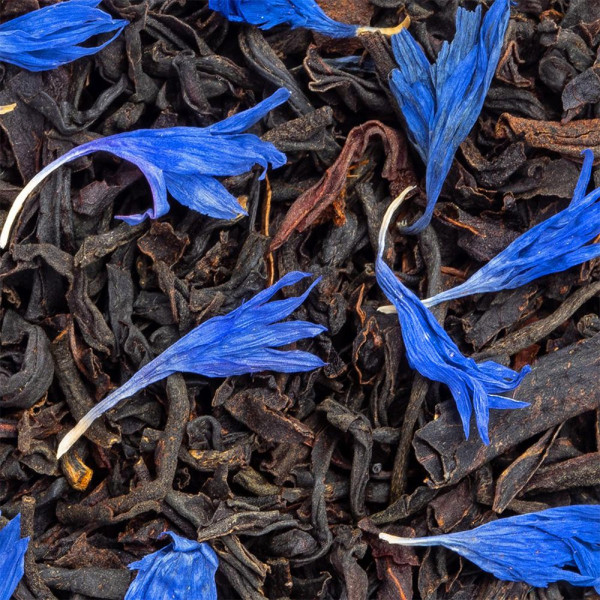
Blue Earl Grey Black Tea
Organic Blue Earl Grey black tea brings together a rich Assam from South India, the natural aroma of bergamot, and delicate roy…
€9.10Discover