 Rooibos



Organic
 Main Note:
Mint, Lemon, Mango
Main Note:
Mint, Lemon, Mango
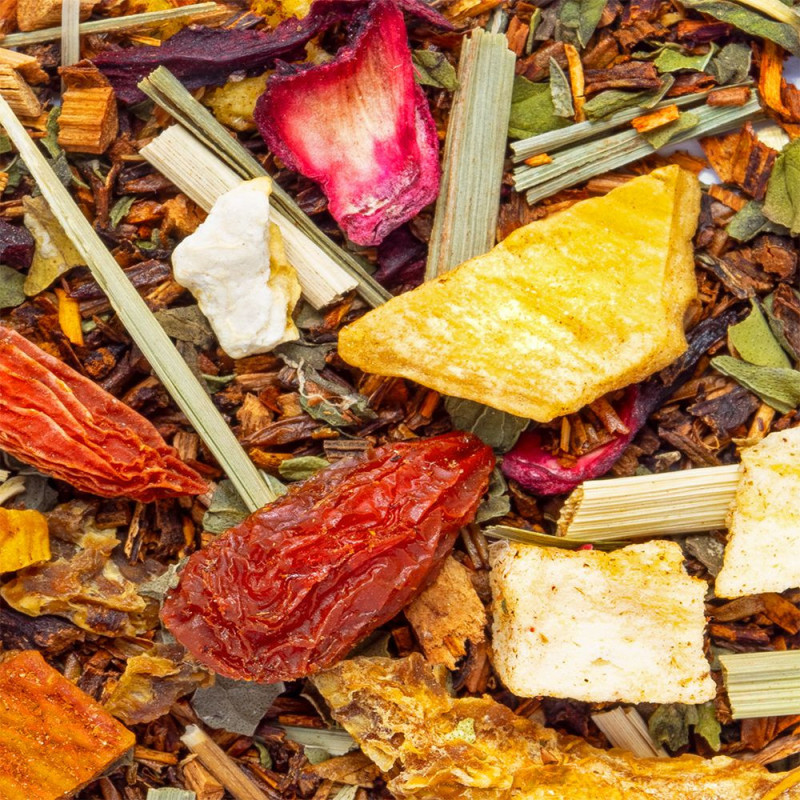
Our organic African Journey Rooibos is an invitation to escape, layering mango, mint and lemon into something truly refreshing. This caffeine-free African infusion is just as enjoyable hot or iced, morning through evening. Smooth, fruity and thirst-quenching, it's the kind of cup you'll want to share.
our expertise


In our workshop in Provence, each blend is handcrafted with passion by our team.
Real pieces of dried fruit, whole plants and carefully selected teas of origin.
Carefully crafted to create unforgettable tasting moments. A signature taste, an authentic experience.
At a glance: An organic, caffeine-free Rooibos Voyage Africain with sun-warmed notes of mango, papaya and mint. Brewing: 100°C, 7-10 min, 15-20 g/L. Delicious hot or iced, any time of day.
Our Rooibos Voyage Africain is an invitation to travel, a caffeine-free African herbal infusion that celebrates the generosity of rooibos and the gentle sweetness of honeybush. Fruity, indulgent and wonderfully easygoing, it's just as welcome in the morning as it is in the evening.
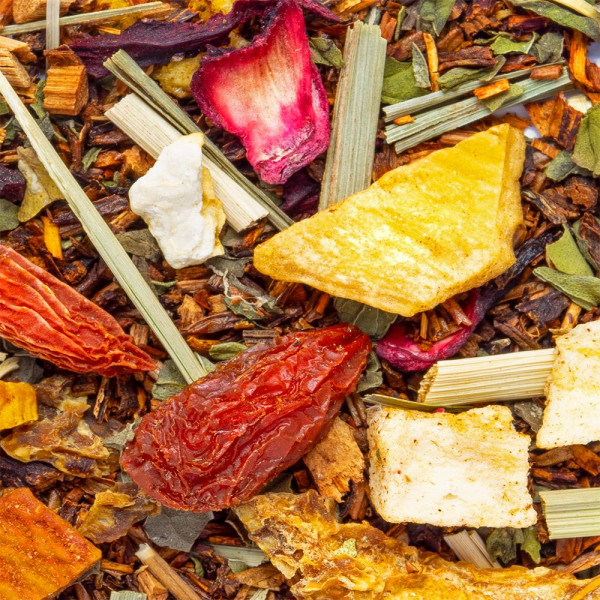
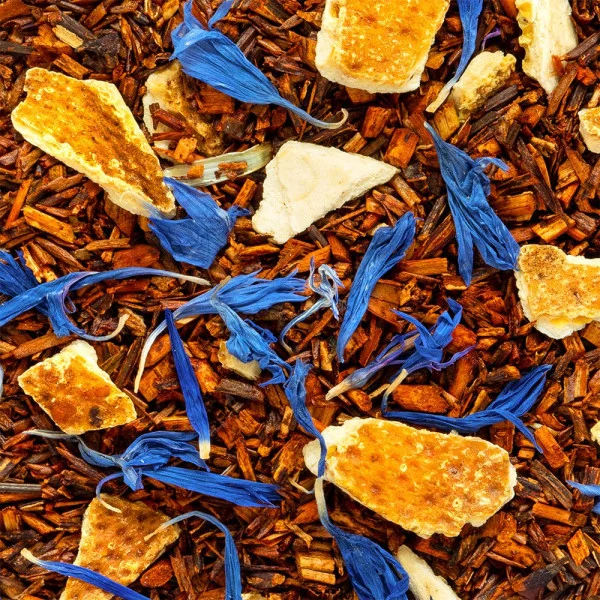
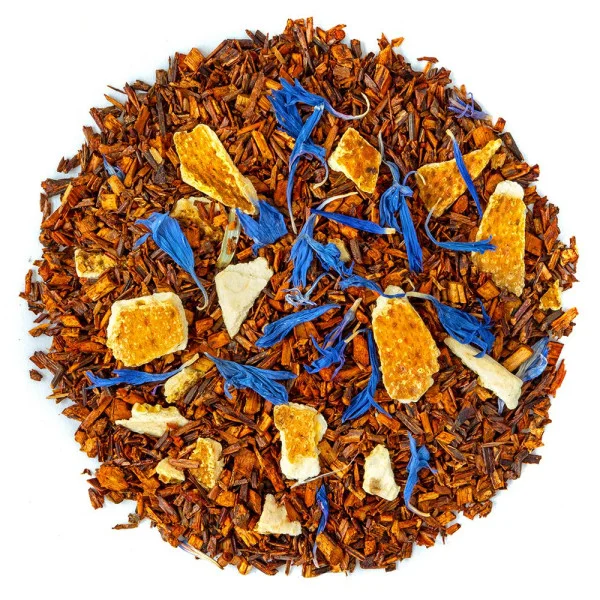
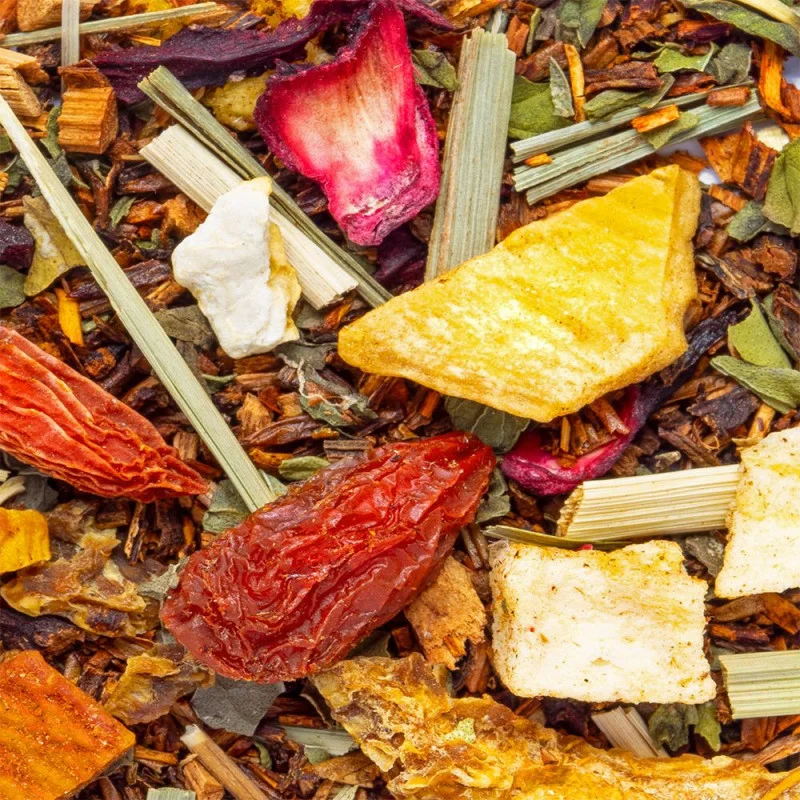
Blended from organic red tea, honeybush, mango pieces, papaya, mint and lemon, this infusion delivers a round, lightly mentholated cup perfumed with bright bursts of fruit. A house creation that appeals equally to lovers of gentle sweetness and those in search of something a little more adventurous.
The moment you open the bag, the fragrance unfolds: sun-drenched ripe mango, crisp fresh mint, a hint of citrus brightness. Red beetroot and hibiscus give the infusion a beautiful amber hue with ruby undertones.
On the palate, the top notes are fruity and exotic, carried by mango and papaya. The heart opens onto the naturally sweet roundness of rooibos and honeybush, two South African plants prized for their honey-like softness.
The finish reveals a cooling mentholated freshness, underscored by lemongrass and lemon peel. Goji berries add a gentle tartness that lingers pleasantly on the palate. Explore our other rooibos blends to continue the journey.
This flavoured infusion stands out for its balance: neither too sweet nor too sharp, it brings together indulgence and freshness in a single cup. A blend that works beautifully hot in winter and equally well over ice in summer.
Brewing this African herbal infusion is simple and forgiving. Unlike green or black tea, rooibos handles a long steep with ease, never turning bitter.
For a perfect iced version on a summer's day, double the quantity, brew hot, then pour over ice. Add a few slices of fresh lemon or mango: the result is refreshing and naturally aromatic, with no added sugar.
Completely caffeine-free, this infusion can be enjoyed at any hour, from breakfast to bedtime, and is suitable for children and pregnant women alike. Try Rooibos Voyage Africain over ice for your sunniest afternoons.
Rooibos, often called red tea, has long been enjoyed for its richness in polyphenols and flavonoids. According to the EFSA, these compounds contribute to protecting cells against oxidative stress.
Naturally free from caffeine and low in tannins, this red tea is gentle on the body and won't interfere with sleep. The ANSES highlights the importance of regular hydration, to which herbal infusions make a very pleasant contribution.
Julien Huot, founder of Thés & Traditions, personally selects every ingredient in this blend to ensure consistent organic quality and a true, faithful aromatic profile.
Packaged in our workshop, this rooibos keeps best in an airtight container, away from light, heat and moisture. For the fullest fruity and mentholated aromas, enjoy within 18 months.
What are the benefits of African herbal tea?
Rooibos, the base of this blend, is naturally rich in antioxidants. Caffeine-free, it supports hydration and is a soothing companion from morning to evening, without disturbing sleep.
How do I choose an African herbal tea?
Look for an organic, loose-leaf rooibos with clearly identifiable ingredients: visible fruit pieces, whole plant material. For more guidance, visit our guide Everything You Need to Know About Rooibos.
What varieties of African tea are there?
The best known are red rooibos, green rooibos (unfermented) and honeybush. Each offers a distinct aromatic profile, from honeyed to fruity, and lends itself equally well to flavoured blends and pure tasting.
Which countries produce African tea?
Rooibos and honeybush are plants native to southern Africa. Other regions of the continent cultivate green and black tea, contributing to the rich diversity of Africa's tea landscape.
Nutritional data and recommendations drawn from ANSES, EFSA and peer-reviewed publications referenced on PubMed. For further reading, explore the origins of rooibos.

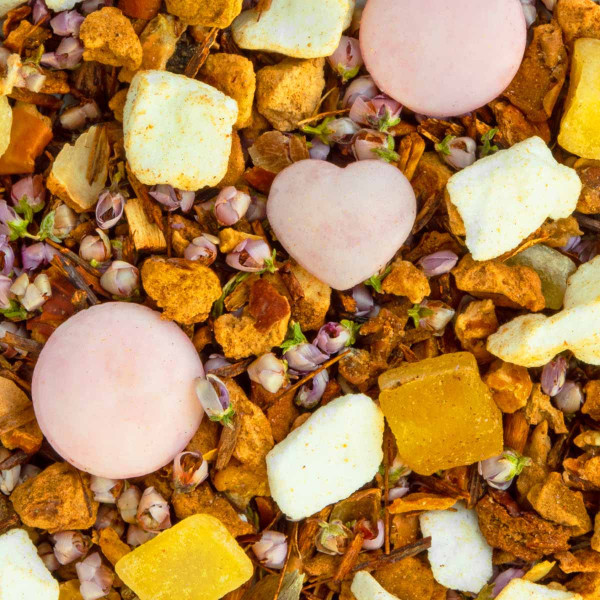
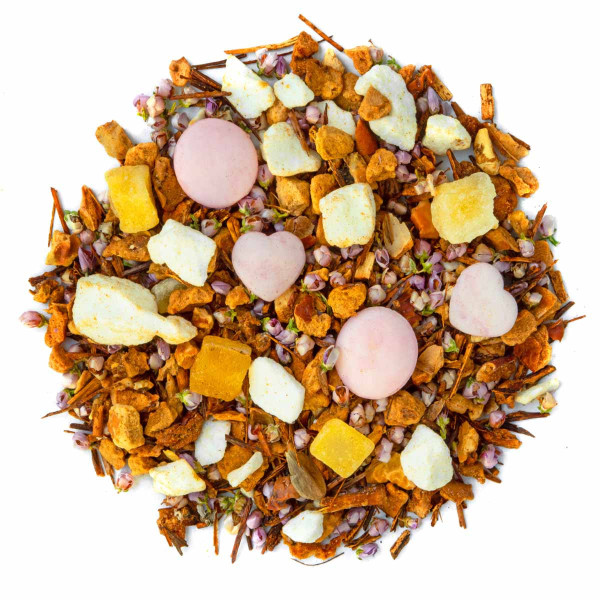
Gourmand Rooibos with candy floss, goji berries, caffeine-free

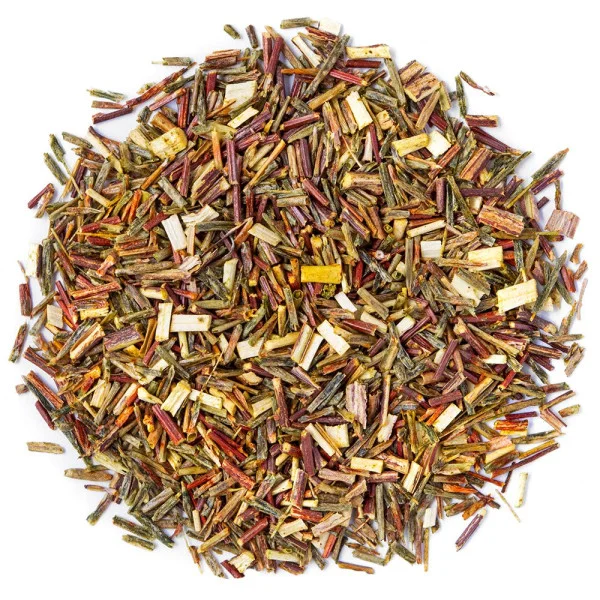
unfermented green rooibos rich in antioxidants and vitamins

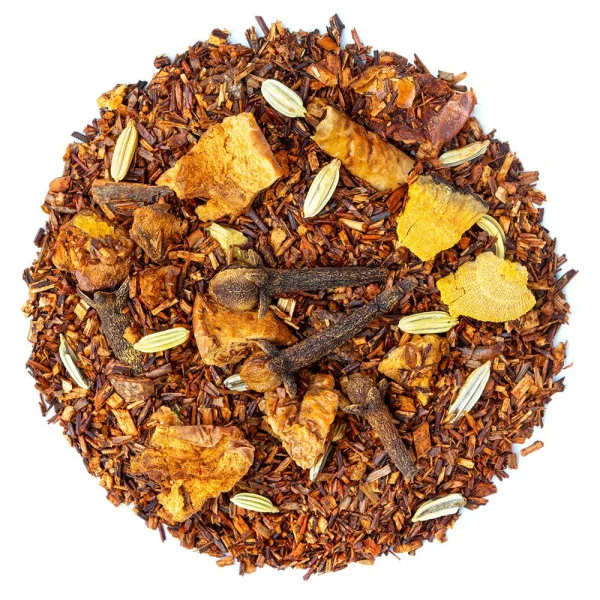
Apple-cinnamon Rooibos, voluptuous and indulgent
French House
Independent since 2016.
Fast delivery
Home delivery or click & collect.
Made with heart
In the south of France.
Customer service
A real voice at the end of the line,
Monday to Friday: 04 22 91 35 75.
Sharing, passing it on: our teas, our tips, the occasional unexpected idea, and little attentions just for you. Pure pleasure, ready to steep.