Korean tea: a unique manufacturing process
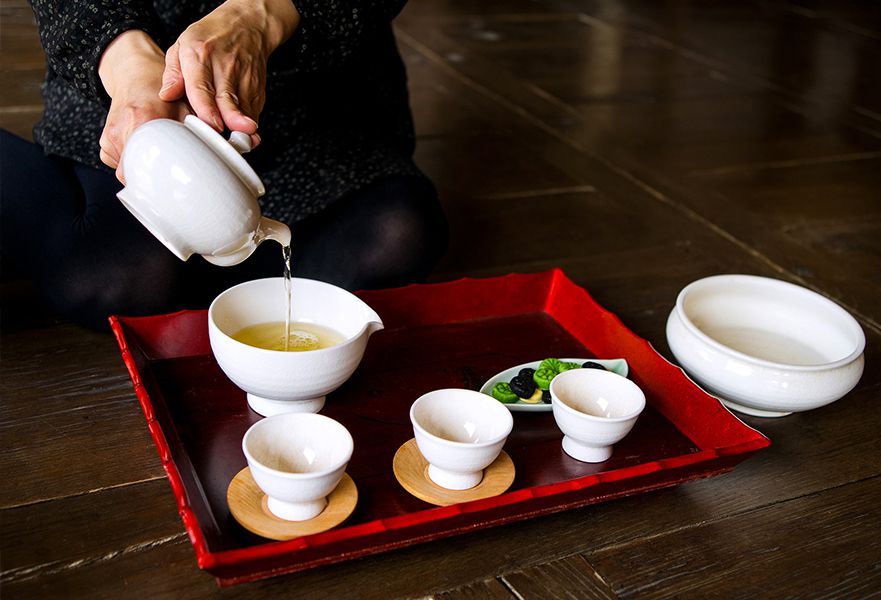
As in Japan, it was Buddhist monks who introduced tea to Korea. It is used during the offering ceremony to Buddha called Dado. Korean tea stands out from others notably due to its manufacturing process which differs from all other teas. During preparation, tea leaves are traditionally roasted 9 times and then rubbed 9 more times. This ritual gives the tea a totally unique flavor and has the effect of extracting the tannins. This is why South Korean tea can be infused several times. Korea consumes most of its tea production, which certainly explains why Korean teas are ultimately very little known.
How to choose your Korean tea?
Korean green tea is called Nok Cha. But Korea also produces black tea and oolong, or fermented tea. Tea plants are cultivated in 3 different zones of the peninsula. Gyeongsang province is the historical birthplace of Korean tea plants. The province of Jeolla in South Korea also produces very high-quality tea. Finally, Jeju Island is where the best Korean teas come from, such as the famous Imperial Jejudo. It is from this unique volcanic zone that our Korean origin tea also comes from, a Korean black tea with delicate vanilla and cocoa flavors, as well as our sublime Korean oolong tea.