Organic LOVE PICK
Fruity Boost
Energizing Green Matcha : matcha, guarana, ginger, lemon, blueberry
Yerba Mate - Mango, Guava
 Main Note:
Mango, Guava
Main Note:
Mango, Guava
Our Maté Mangoyave blends the lively, green character of green maté with the exotic warmth of mango and guava. A sun-drenched infusion, perfect from morning through the day, where pineapple, lemon and marigold flowers come together in a fruity, energising and refined cup.
our expertise


In our workshop in Provence, each blend is handcrafted with passion by our team.
Real pieces of dried fruit, whole plants and carefully selected teas of origin.
Carefully crafted to create unforgettable tasting moments. A signature taste, an authentic experience.
At a glance: Maté Mangoyave is a sun-drenched infusion of green maté, mango, pineapple, guava and lemon peel. Brewing guide: 100°C, 5 to 10 min, 14 to 17 g/L. Best enjoyed in the morning and throughout the day.
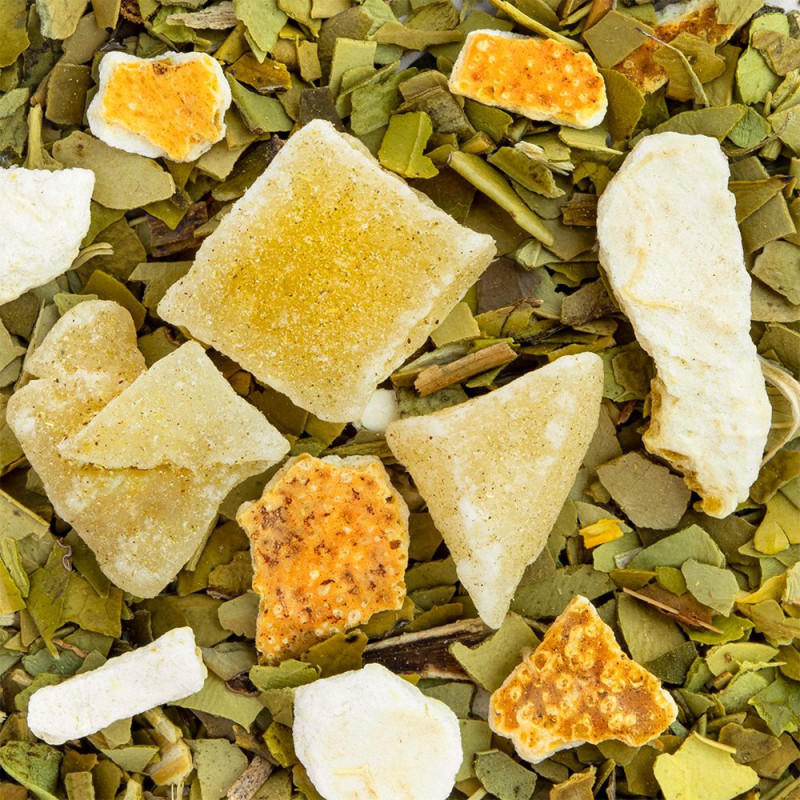
Maté Mangoyave is an indulgent creation that celebrates the meeting of green maté's fresh vegetal character and the generosity of tropical fruits. In the cup, ripe mango, gentle guava and juicy pineapple weave together with a tonic green base, lifted by a hint of lemon peel.
This sunny infusion is for those who want an energising drink that's something different — far from coffee, yet still delivering a true aromatic spark. Explore our organic maté range to delve deeper into this South American plant.
The moment you open the pouch, an exotic fragrance blooms: mango leads the way, lush and sun-warmed, followed by a trail of soft, lightly musky guava. Pineapple brings its juicy freshness, while lemon peel cuts through with a lively, zesty note.
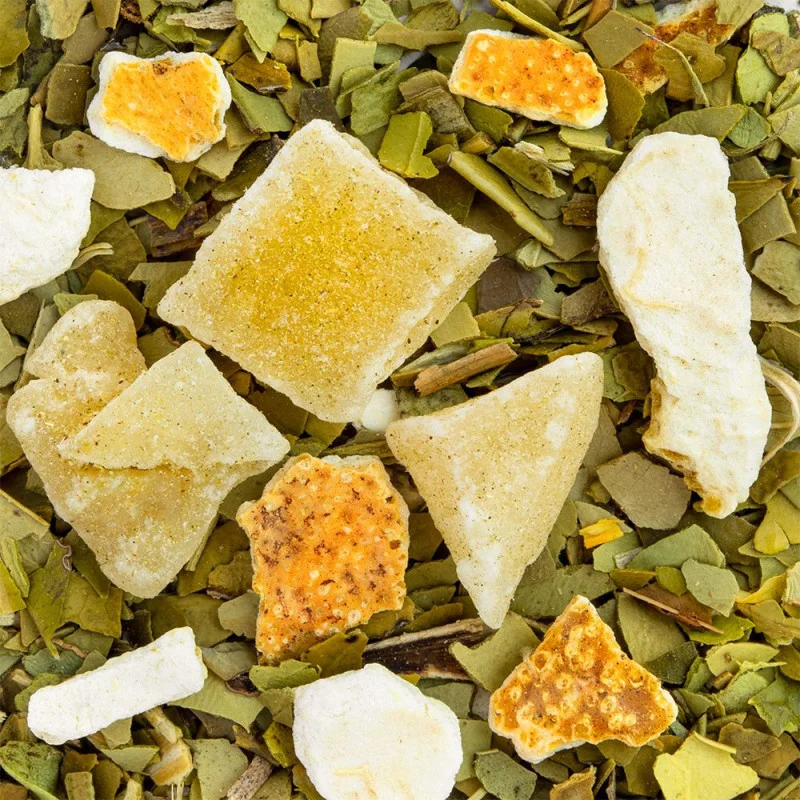
Visually, the blend offers an elegant palette: finely cut green maté leaves, golden fruit pieces and bright flaming-orange marigold flowers. A display that promises a luminous, expressive cup.
At the top, lemon and pineapple open with a fresh, almost effervescent attack. This first impression wakes the palate immediately and conjures the feel of a sun-soaked holiday.
At the heart, mango takes centre stage. Lush, rounded, almost creamy, it unfolds in a long fruity caress that gradually deepens with guava — more complex, lightly floral.
At the base, the green maté anchors the composition. Its vegetal, herbaceous, faintly woody note balances the sweetness of the fruits and keeps the blend from ever feeling heavy. The marigold flowers, subtle on the palate, extend the roundness and add nuance to the finish.
Also worth exploring: our pomegranate and redcurrant maté if you enjoy sharper, more tangy fruit profiles, or our blood orange maté for a more pronounced citrus variation.
Preparation makes all the difference. For this fruity blend, we recommend a simple, precise method that brings out the full aroma without any unwanted bitterness.
Steep for 5 minutes for a fruity, smooth cup, ideal mid-morning. Extend to 10 minutes if you want a more pronounced tonic effect: the green maté base will release more caffeine and deeper vegetal notes.
Those who love authenticity can prepare this maté the traditional way, using a gourd (calabash) and a bombilla. Fill the gourd two-thirds with leaves, tilt it, pour in a little warm water to moisten the base, then add water at around 75–80°C in small successive pours.
This South American method yields a progressive, rounded, almost creamy infusion, where each sip reveals a different facet of the blend. To understand this fascinating plant better, see our guide to maté.
Served hot, this blend is best enjoyed straight, without sugar, to fully appreciate the freshness of the mango. A few fresh mint leaves can pleasantly highlight the exotic character.
Served iced, brew a concentrated infusion hot (20 g/L, 8 minutes), leave to cool, then pour over ice with a slice of lime. A beautifully refreshing option for summer days — natural and far more interesting than a soft drink.
Maté has been traditionally consumed in South America for its gentle stimulating properties. Its natural caffeine content makes it an appealing alternative to coffee, with an energy release often described as more steady and gradual.
The EFSA has assessed caffeine intake and states that moderate consumption (up to 400 mg per day for a healthy adult) contributes to increased alertness and improved concentration. A cup of maté provides a reasonable amount, generally well tolerated.
Maté also contains polyphenolic compounds studied for their antioxidant activity, as highlighted in the scientific literature available on PubMed. These compounds contribute to protecting cells against oxidative stress as part of a balanced diet.
For general guidance on caffeine consumption and associated precautions (pregnancy, individual sensitivity, evening intake), the recommendations of ANSES provide a clear reference. Like any caffeinated drink, maté is best consumed in moderation, and ideally before 4 pm.
To learn more about this South American plant, read our maté guide and the origins of green maté. Try our Maté Mangoyave for a natural, fruity boost any time of day.
Packed in our workshop, this maté keeps best in its resealable pouch, away from light, moisture and strong odours. An airtight metal or opaque glass container stored in a dry cupboard will ideally preserve its aromatic freshness for 18 to 24 months.
Avoid the refrigerator, which dulls the aromas through condensation. The maté leaves and fruit pieces remain stable as long as they are protected from air; once the pouch is opened, reseal it carefully after each use.
What are the benefits of mango maté?
Maté provides gentle stimulation through its natural caffeine, contributing to alertness according to the EFSA. It also contains antioxidant polyphenols. Mango and pineapple add a pleasurable fruity note, all best enjoyed as part of a balanced diet.
How do you brew mango maté?
Use 14 to 17 grams of leaves per litre of water at 100°C and steep for 5 to 10 minutes depending on the intensity you prefer. You can also use the traditional gourd and bombilla method, adding water at around 75–80°C in small successive pours.
Where can I buy mango maté?
Our Maté Mangoyave is available directly on the Thés & Traditions website, selected and packed in our workshop by Julien Huot, the founder of the house. You'll also find our full range of fruity and energising blends in the maté section of our online shop.
What are the different types of maté?
There is green maté (unroasted, vegetal and tonic), roasted maté (rounder, with toasted notes), and a wide range of flavoured blends with fruits, citrus or spices. Exploring our green maté is a great way to taste the pure base before venturing into fruity blends.

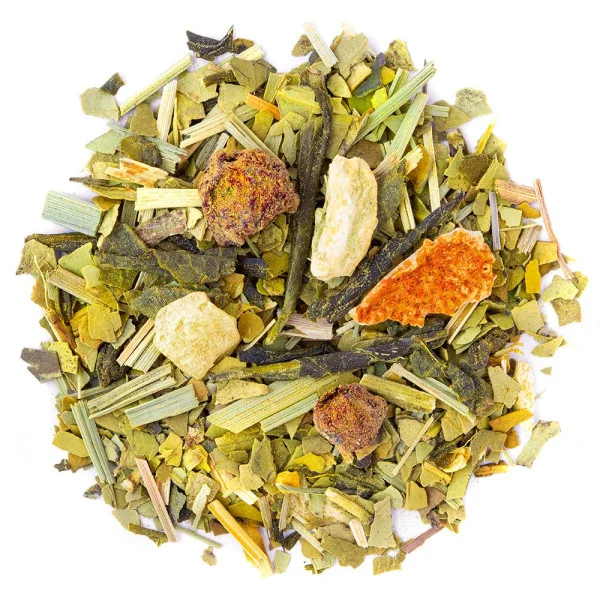
Energizing Green Matcha : matcha, guarana, ginger, lemon, blueberry

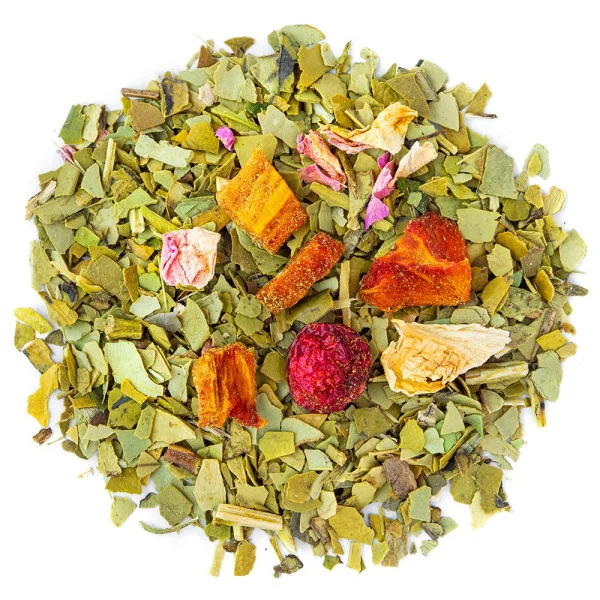
Mate with red berries: energy and smoothness in every sip!

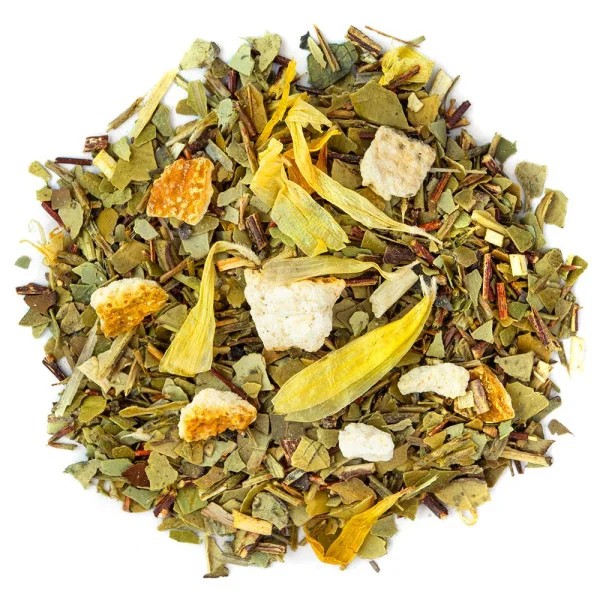
Invigorating and refreshing Mate with a delicious blood orange flavour
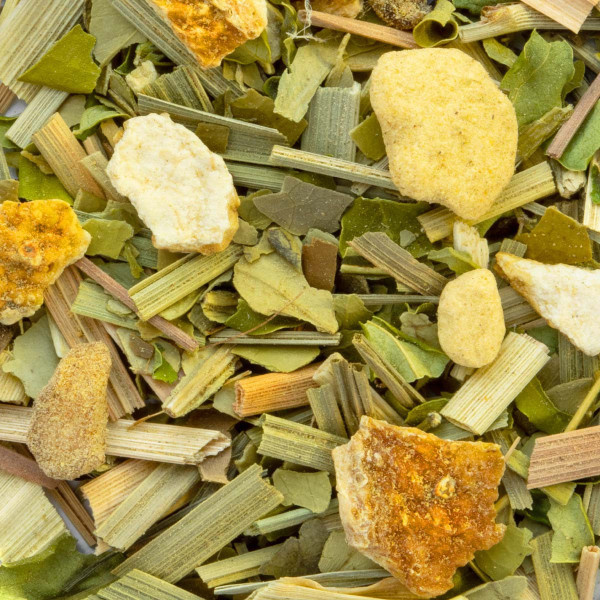
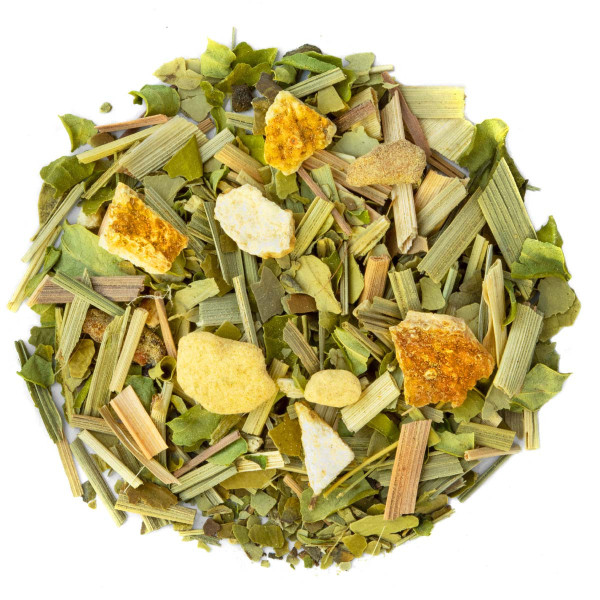
Energising Mate with multiple invigorating ingredients
French House
Independent since 2016.
Fast delivery
Home delivery or click & collect.
Made with heart
In the south of France.
Customer service
A real voice at the end of the line,
Monday to Friday: 04 22 91 35 75.
Sharing, passing it on: our teas, our tips, the occasional unexpected idea, and little attentions just for you. Pure pleasure, ready to steep.