

French house since 2016
2,000+ reviews verified customers
Fast delivery
A question? +33 (0)4 22 91 35 75
Cup, Mug & Bowl
Picture that perfect moment: you hold a fine porcelain tea cup in your hands, a gentle ribbon of steam rises, and the first aroma of your favourite green tea or black tea softly awakens your senses. Every sip becomes its own experience, a small daily pleasure that turns a simple pause into a truly comforting ritual. Your choice of tea cup shapes the way you taste your brew: the right capacity, a form that holds the heat, a design that stirs something in you. Every detail matters.
88 products

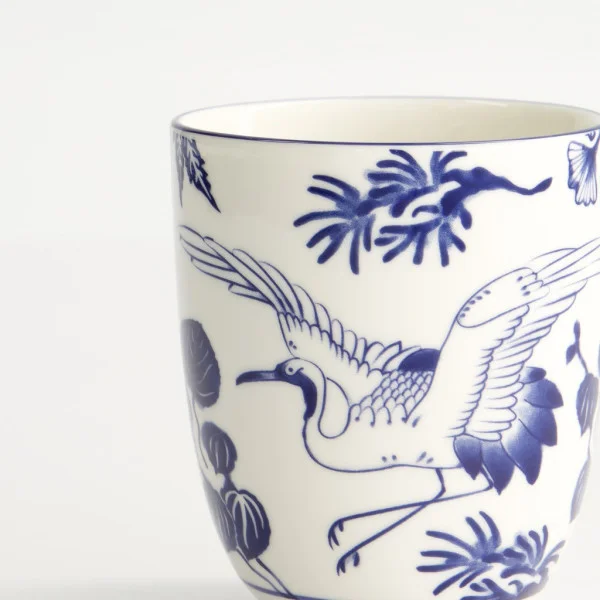

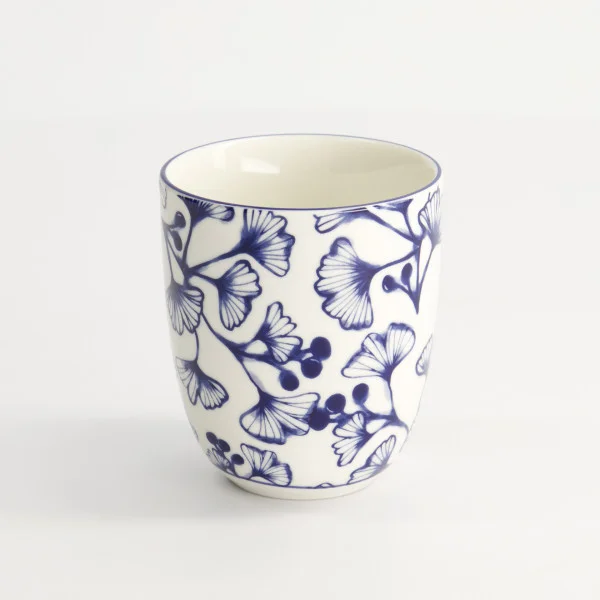

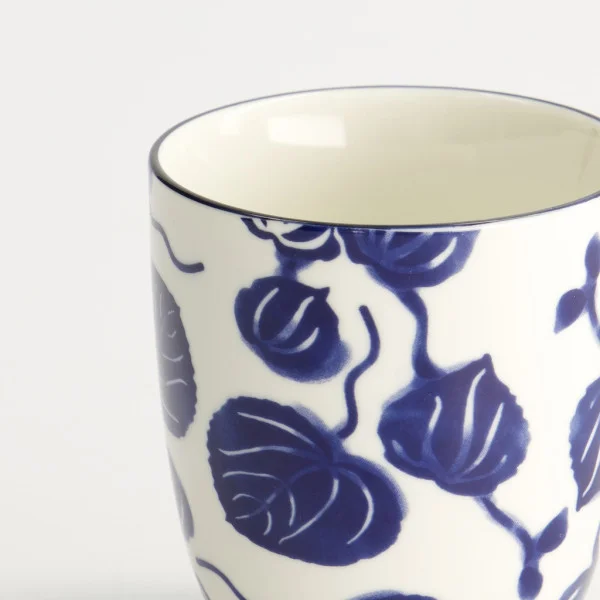

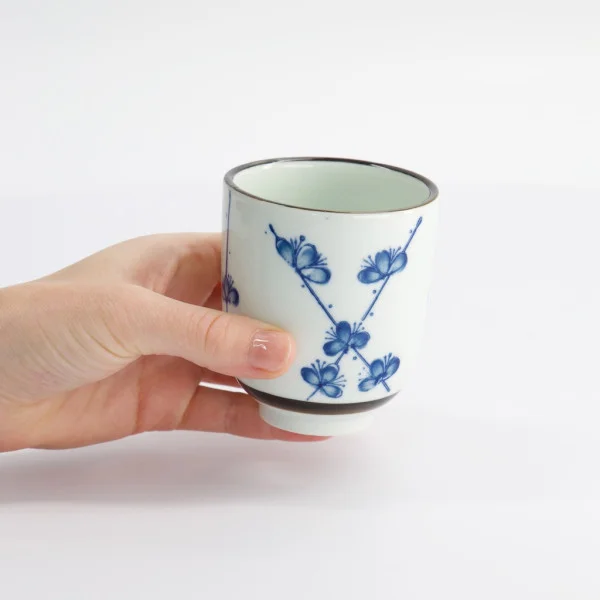

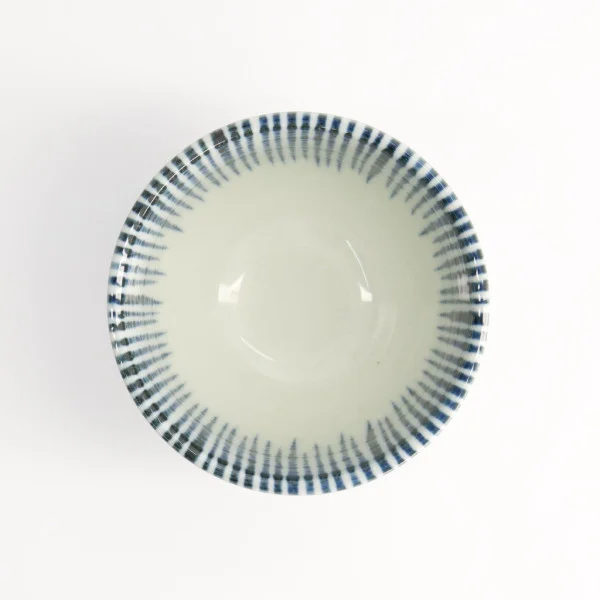

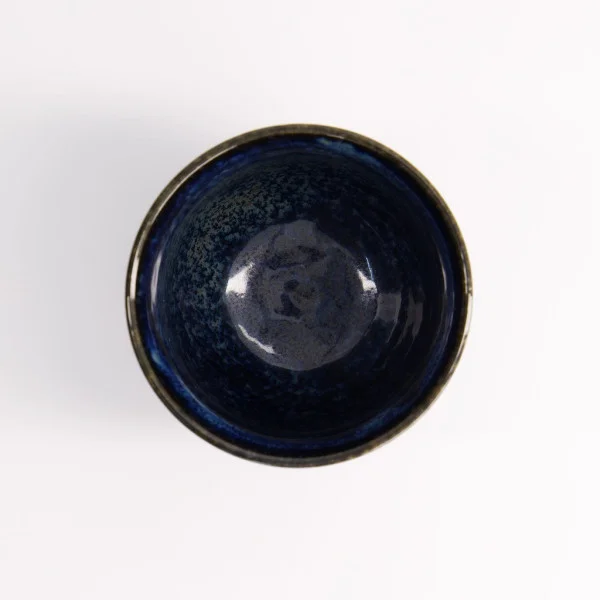

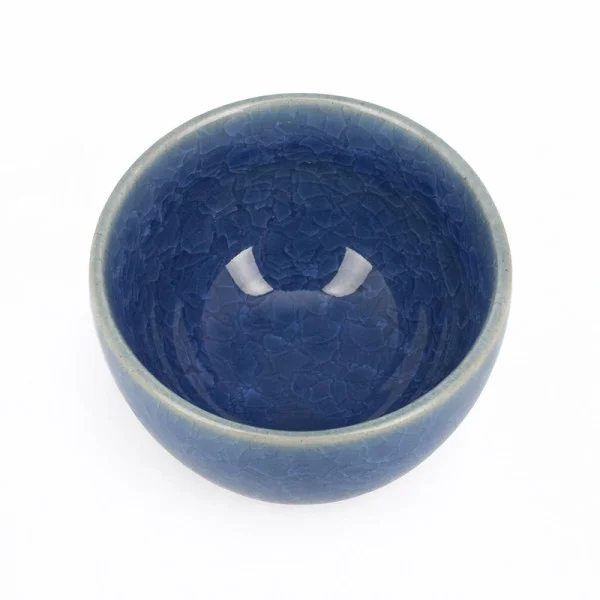

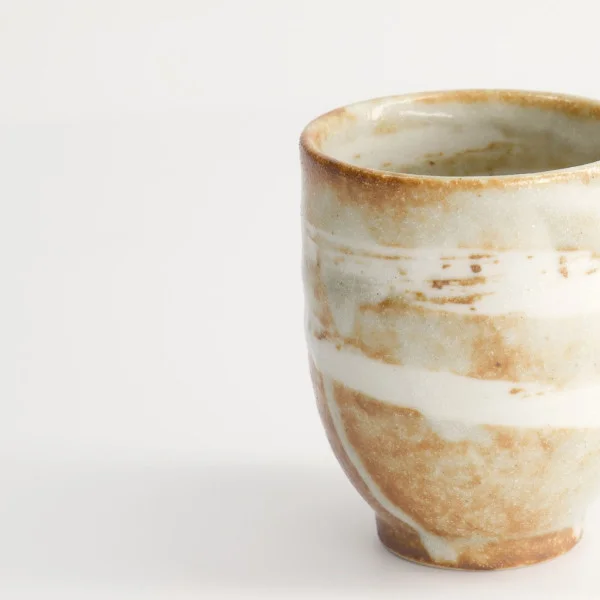

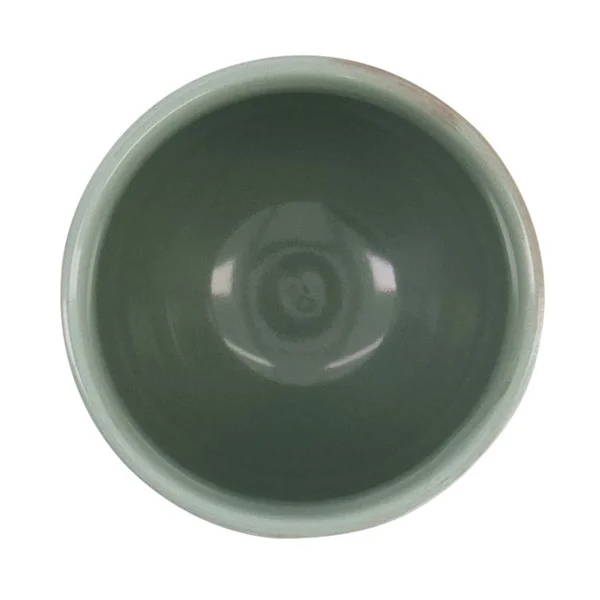

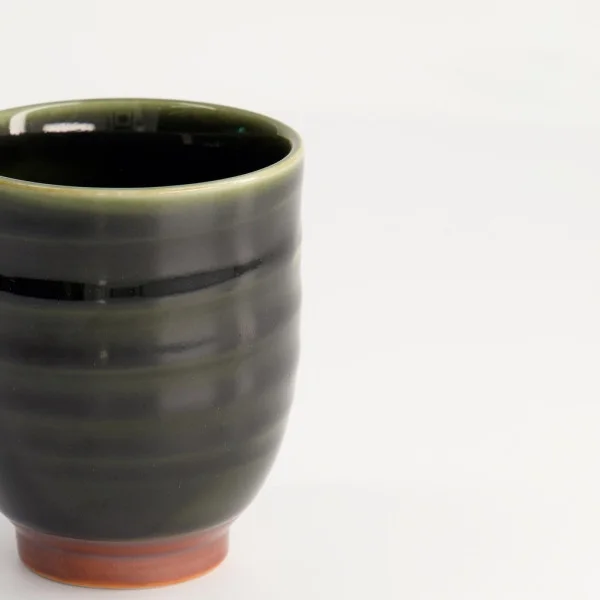

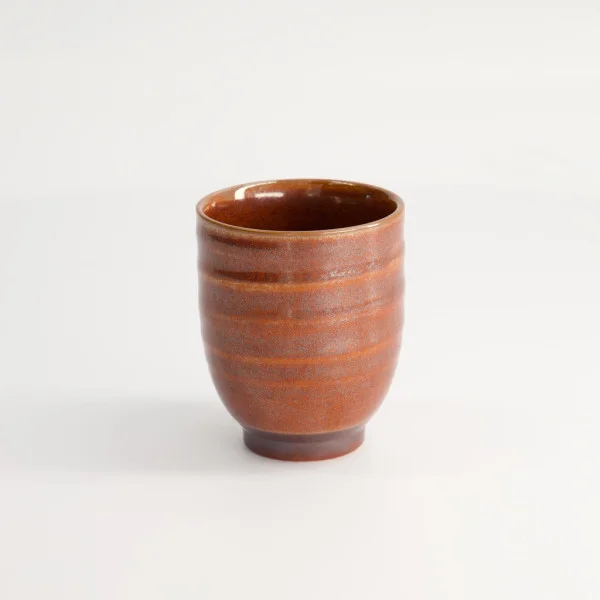

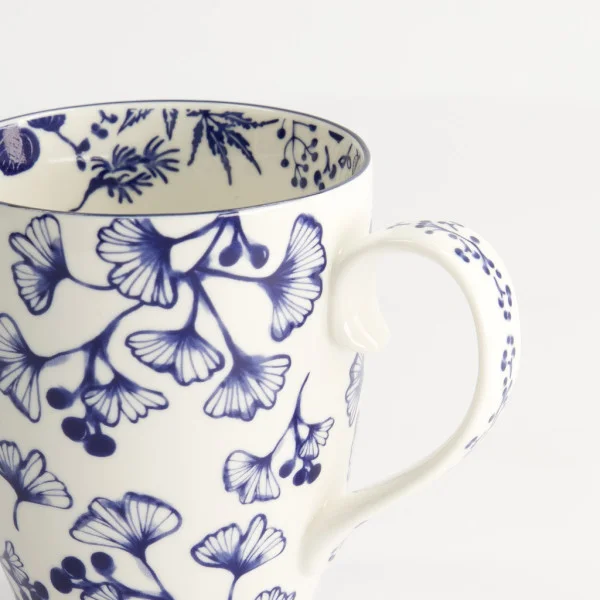

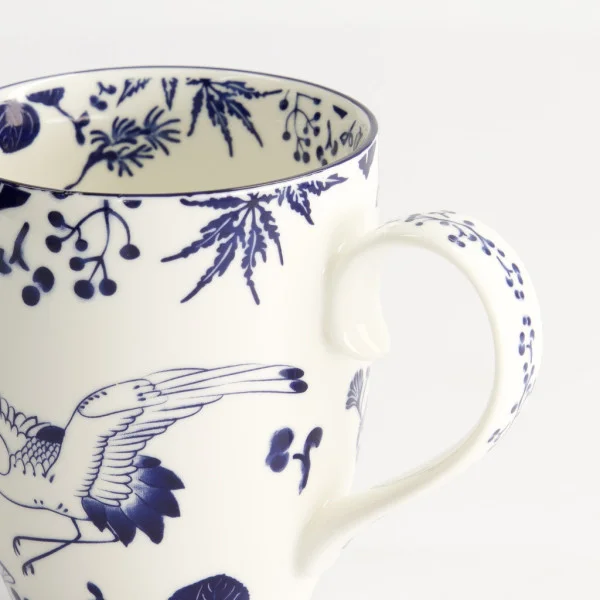

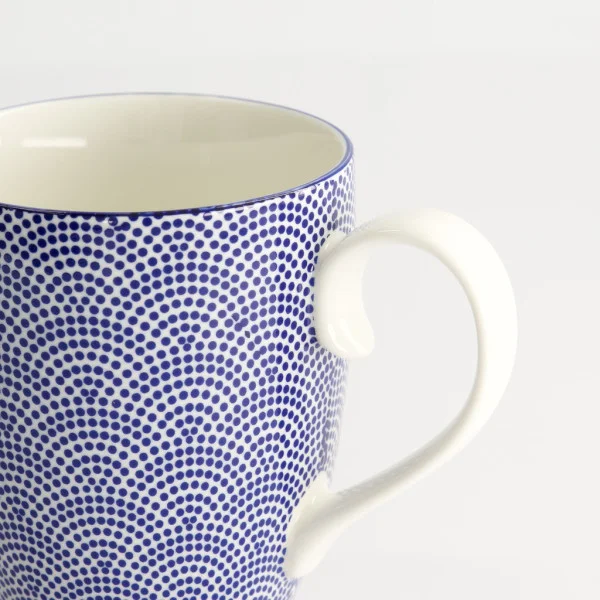

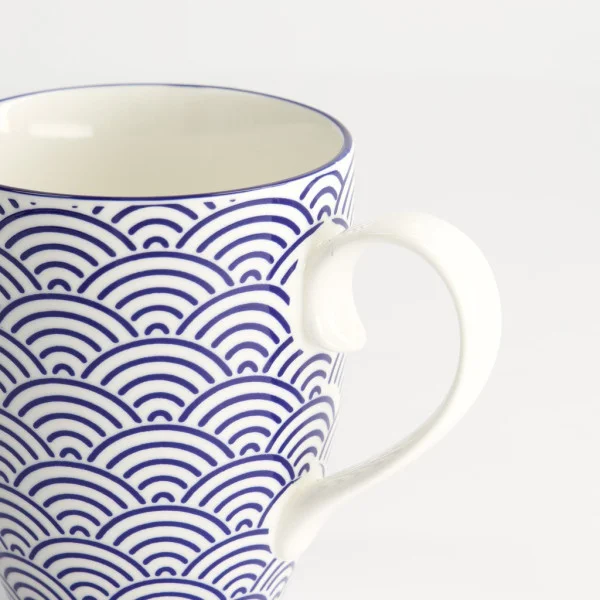

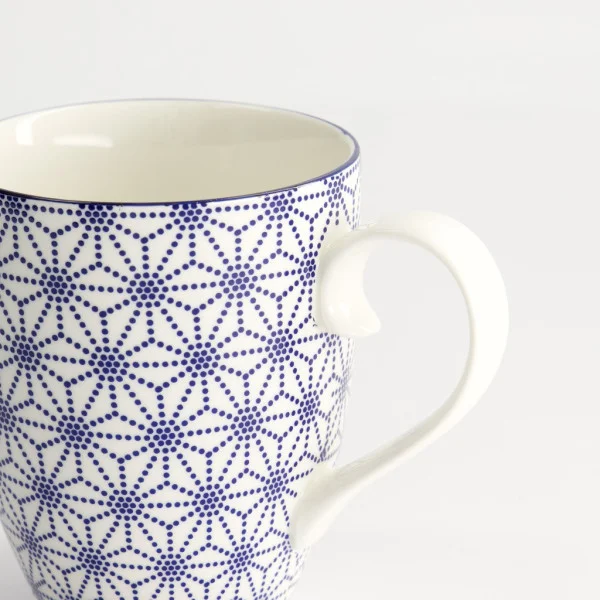

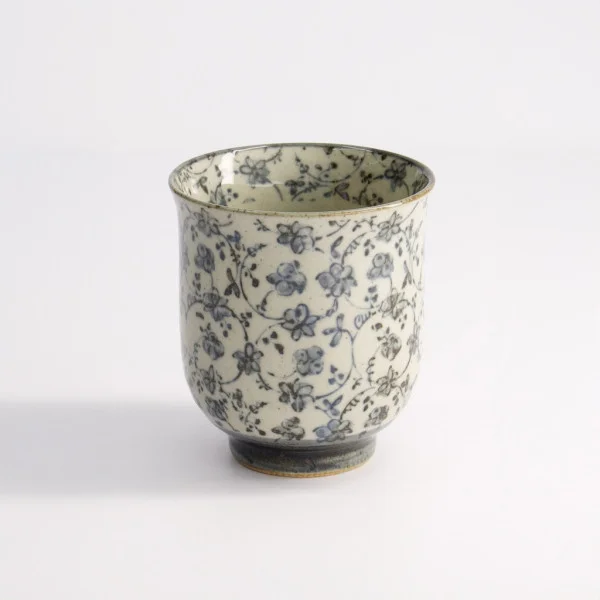

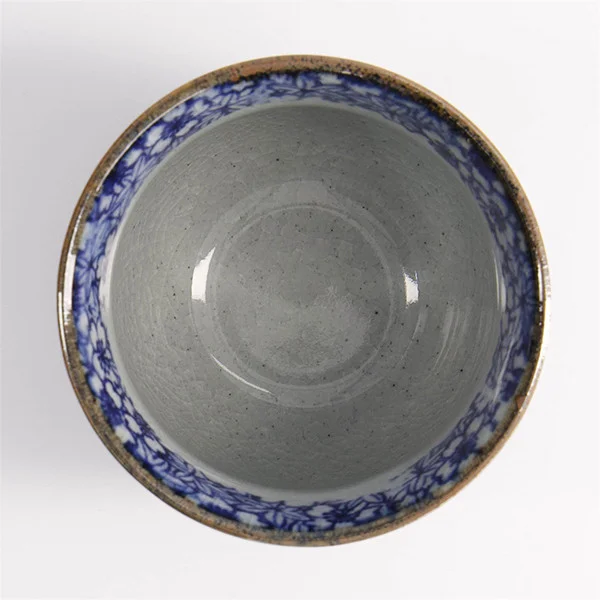

Tea Cups: The Complete Guide to Choosing the Perfect Cup
A tea cup is more than a vessel: it is the element that reveals or diminishes the aromas of your infusion. After many years of expertise in the art of tea, we have identified the essential criteria that transform an ordinary cup into a true tasting instrument. Here is how shape, material and capacity directly influence the sensory experience of your daily tea ritual.
Anatomy of the Perfect Tea Cup: 5 Key Criteria
1. Capacity: The Science of the Right Proportion
The capacity of a cup determines the aromatic intensity of your tasting. For delicate green tea, a size of 120ml to 180ml concentrates its subtle aromas beautifully. A full-bodied black tea opens up in a 200ml to 250ml format, allowing the tannins to find their ideal balance.
Iced tea lovers will prefer a larger capacity of at least 300ml, such as a large mug or tall tea mug, while traditional Japanese rituals call for miniature 60ml cups designed for savouring small, concentrated sips. A large porcelain mug is the perfect companion for a long, comforting break.
2. Materials: A Direct Impact on Flavour
Fine porcelain remains the benchmark material for any exceptional cup. Its flavour neutrality preserves the character of both green tea and black tea without interference. Ceramic, slightly porous by nature, gradually develops a patina that deepens the flavour with each tasting.
Double-walled glass cups bring a new dimension to the experience: they keep the temperature at its ideal level while offering a beautiful visual display, especially striking with the shimmering colours of iced tea. Chinese stoneware pieces offer exceptional durability for everyday use.
Yunomi lovers, blue-and-white porcelain collectors and matcha bowl enthusiasts: all our pieces made in Japan are gathered in our selection of Japanese tableware.
3. Shape: The Geometry of Aroma
A wide, flared cup releases volatile aromas quickly, making it ideal for fruity infusions. A narrower, tapered shape concentrates the fragrance, perfect for revealing the complexity of traditional Japanese tea. This geometry matches the specific needs of each tasting style.
The Japanese tea bowl, with its straight sides and no handle, offers an optimal evaporation surface that gradually unfolds the aromatic notes. Models with matching saucers create a beautiful harmony on your table.
Types of Teacups: Which Cup for Which Tea?
The Classic Porcelain Cup
The traditional cup and saucer remains the hallmark of French elegance. Its fine porcelain, just 2mm thick, offers perfect thermal conductivity. This piece brings out the floral notes of Darjeeling green tea and the malted aromas of Earl Grey black tea with particular grace. Available in our collection in a range of patterns to suit your taste.
The Japanese Bowl: Authenticity and Tradition
A ceramic tea bowl from Japan transforms every tasting into a ceremony. Handled with both hands, it invites stillness and mindfulness. This tradition from the land of the rising sun reveals the full subtlety of gyokuro, matcha, and sencha. Each piece is crafted using time-honoured techniques.
The Glass Cup: Innovation and Aesthetics
The double-walled glass cup blends performance with beauty. It keeps your green tea at 75°C for up to 20 minutes while letting you watch the infusion's colour evolve before your eyes. Perfect for summer iced tea, this modern design adapts effortlessly to every tasting style.
Care and Longevity
A quality cup lasts for decades with the right care. Avoid sudden temperature changes, which can crack fine porcelain. Store your cups and saucers separately to prevent scratching.
The Essential Accessories
Complete your cup with the right accessories: a stainless steel filter for loose leaves, a tea infuser suited to your cup's volume, and a herbal teapot with a lid to hold the infusion temperature. All of these are available in our online shop.
Our Thés & Traditions Selection: Cups, Mugs and Bowls
At Thés & Traditions, we have brought together a selection of 86 pieces to accompany every tea ritual. Japanese porcelain mugs adorned with octopus, geisha or cherry blossom motifs; clean-lined ceramic cups for everyday use; handcrafted matcha bowls (chawan) for traditional practice; borosilicate glass cups for iced teas.
Julien Huot, founder of Thés & Traditions, personally selects each piece from Japanese and European manufacturers, with a focus on timeless design and refined finishing.
Which Cup for Which Tea?
The right vessel can reveal or betray your tea. Here are our guidelines.
- Green tea and matcha: a wide, shallow bowl (chawan) for whisked matcha, or a thin-walled porcelain cup of 150–200 ml for sencha. The slim walls preserve delicate aromas.
- Black tea: a thick-walled mug of 250–300 ml that retains heat. Ceramic or thick porcelain work well. Perfect for mornings with a splash of milk.
- Herbal infusions: a tall, narrow mug that concentrates the steam and keeps the infusion warm. A 350–400 ml capacity is ideal for long evening breaks.
- White tea and Oolong: a fine porcelain cup, 100–150 ml, to appreciate the subtle aromatic nuances.
- Iced tea: a clear borosilicate glass that withstands temperature changes and shows off the amber or golden colour of the tea.
Frequently Asked Questions
What size should a teacup be?
For a classic tasting: 150 to 200 ml for green and white teas (delicate flavours best enjoyed in smaller amounts), 250 to 300 ml for black tea, 350 ml and above for herbal infusions and morning mugs. The matcha bowl (chawan) is wider than it is tall, around 350–400 ml to allow for whisking.
Porcelain or ceramic: what's the difference?
Porcelain is finer, more translucent and more heat-resistant. Ceramic (including stoneware and earthenware) is thicker, more rustic and retains heat better. Porcelain suits delicate teas (green, white, Oolong), while ceramic is better suited to full-bodied teas and everyday mugs.
Can a teacup go in the dishwasher?
It depends on the piece. Modern porcelain and industrial ceramics generally tolerate a gentle cycle. Hand-decorated pieces (washi, hand-painted motifs), traditional Japanese ceramics and stoneware should be washed by hand in warm water without harsh detergent.
Why is the inside of my cup turning brown?
That's a natural tannin patina that builds up with regular use of black or full-bodied teas. Perfectly harmless, it can be removed with baking soda or diluted white vinegar. Many tea lovers keep this patina, as it gently seasons the following infusions.
What teacup makes a good gift for a tea lover?
A Japanese washi porcelain mug for the design-minded, a handcrafted matcha bowl for someone who practises matcha, or a cup-and-saucer set for a more formal gift. Our range includes pieces at every price point, from everyday favourites to collector's items.
Browse our selection of cups, mugs and bowls above and find the one that will become part of your ritual.
Complementary Accessories for Your Teacup
Beyond choosing the right cup, a few well-chosen accessories can turn every infusion into a truly satisfying experience. Here are the essentials.
Tea Infusers and Filters: the Foundation for Loose-Leaf Tea
If you drink loose-leaf tea (and we recommend it for the best quality), a good infuser is essential. Look for a fine-mesh stainless steel filter, which catches even the smallest tea leaf particles without affecting the taste. Paper filters are disposable and convenient but less sustainable. Silicone infusers are colourful and fun to give as gifts, but can hold onto odours over time.
A Full Tea Service: for the Dedicated Enthusiast
A complete tea service typically includes a teapot, 4 to 6 cups (with or without saucers), a sugar bowl and sometimes a milk jug. It's the ideal choice for shared moments or entertaining. Fine porcelain for elegance, ceramic for everyday durability, or Japanese cast iron for those who appreciate tradition.
An Everyday Cup vs a Special-Occasion Cup
Many tea drinkers keep two types of cups: a sturdy, large mug for daily use (dishwasher-safe, no worries), and a finer cup for more special moments at the weekend or when hosting. This distinction protects your treasured pieces while keeping your daily routine effortless.
The Gift That Always Delights
A teacup or mug is one of the most appreciated gifts for any tea lover. A few ideas:
- For a formal gift: a fine porcelain cup-and-saucer set, presented in a gift box
- For something original: a Japanese washi porcelain mug with a unique pattern
- For a matcha lover: a handcrafted chawan bowl with a bamboo whisk (chasen)
- For a beginner: a gift set with a cup, tea infuser and a selection of tea bags
Caring for Metal Accessories
Stainless steel infusers and filters should be rinsed under hot water after each use. A weekly soak in diluted white vinegar removes any limescale build-up. Avoid abrasive sponges, which can scratch the finish. Silver-plated metal accessories benefit from occasional polishing with a dedicated product.
Cup, mug, bowl, infuser, filter: each piece plays its part in your ritual. Build up your collection gradually, guided by the teas you love most.
Expert Care: Preserving Quality
Washing by Material
Fine porcelain cups should be washed by hand only, using lukewarm water. Harsh detergents roughen the surface and create a porosity that traps tannins. For ceramic cups, rinsing immediately after use prevents stains from setting.
Glass cups can go in the dishwasher, but they gradually lose their clarity. A gentle hand wash with white vinegar keeps them crystal clear. Follow our care tips to get the most out of your pieces.
Japanese Ceramic and Stoneware Cups
Stoneware and Japanese ceramics, including the chawan used for matcha, require a little extra care: a rinse with lukewarm water is all they need, no detergent. The natural porosity of stoneware slowly absorbs the aromas of tea over time, something that is actually prized in traditional practice.
Glass Mugs and Dishwasher-Safe Cups
Borosilicate glass (such as Pyrex) and certain modern porcelain cups can handle the dishwasher on a gentle cycle. Always check the marking on the base of the cup. Avoid machine washing for hand-decorated pieces (washi, delicate floral motifs) and traditional ceramics.
What to Do About Tannin Stains?
A cup used regularly for black tea will naturally develop a brown patina. To remove it, gently scrub with a paste of baking soda and water, or soak the cup in a glass of water with a teaspoon of white vinegar for 10 minutes. Rinse thoroughly.
what our customers say
You say it better than we ever could.
9,9/10
14 verified reviews
Loading reviews…

French House
Independent since 2016.
Fast delivery
Home delivery or click & collect.
Made with heart
In the south of France.
Customer service
A real voice at the end of the line,
Monday to Friday: 04 22 91 35 75.
letter from the house
Don't miss
Don't miss
a single drop.
Sharing, passing it on: our teas, our tips, the occasional unexpected idea, and little attentions just for you. Pure pleasure, ready to steep.