How to make the most of lemon herbal tea benefits?

In a nutshell: Lemon herbal tea is one of the simplest and most versatile infusions you can make. Rich in vitamin C (provided the water isn't boiling) and flavonoids, it pairs beautifully with ginger, honey or warming spices. Use the juice of half a lemon per 8 fl oz (25 cl) cup of steaming, not boiling, water. Enjoy hot or cold, depending on the season.
Lemon herbal tea travels across cultures and seasons. A warming drink in winter, a refreshing iced infusion in summer, the base of countless time-honored recipes: it is one of the most versatile in the family repertoire. This page covers what lemon actually contains, the combinations that truly work, and a few things worth knowing before you pour.
What lemon actually contains
Lemon (Citrus limon) is one of the most widely consumed citrus fruits in the world. Its main nutritional qualities:
- Vitamin C: around 53 mg per 100 g of pulp, or about 65% of the recommended daily intake (EFSA, 80 mg/day). Worth knowing: vitamin C is sensitive to heat and breaks down above 80°C (176°F). To preserve it, add the lemon juice once the infusion has cooled slightly.
- Flavonoids (hesperidin, naringenin): naturally occurring antioxidants found in lemon.
- Citric acid: what gives lemon its sharp, tangy taste. Contrary to popular belief, once metabolized it has an alkalizing effect in the body.
- Zest essential oil: contains limonene, studied for its aromatic interest and its effect on wellbeing.
Lemon has not received an HMPC monograph at the EMA like some traditionally used plants, but its nutritional value is well documented and it appears in every traditional pharmacopoeia.
How to prepare a good lemon herbal tea
The golden rule: never boil the lemon, and always add the juice once the water has cooled a little.
- Quantity: the juice of half a yellow lemon per 8 fl oz (25 cl) cup, plus a few strips of zest (ideally organic, unwaxed).
- Water: bring to a simmer (95°C / 200°F), let it rest for 1 to 2 minutes, then pour over the zest. Steep for 3 to 5 minutes and add the juice at the end.
- Variations: stir in a spoonful of honey at the end (never in boiling water, as it loses its qualities), a piece of fresh ginger, a Ceylon cinnamon stick, or a few mint leaves.
- Cold version: steep water, zest and any herbs in the refrigerator for 4 to 6 hours, then add the juice just before serving. The perfect summer drink.
- Frequency: 2 to 3 cups a day, at any time.
Classic lemon combinations
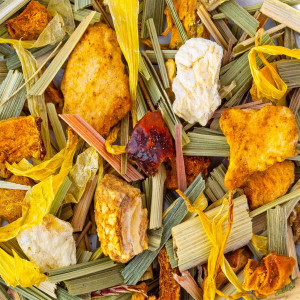 Lemon Basil Herbal Infusion€7.20
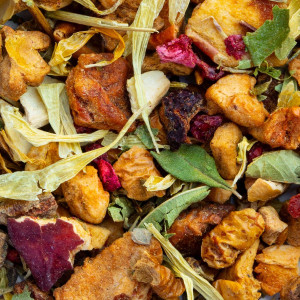 Elves' Potion Herbal Infusion€7.90
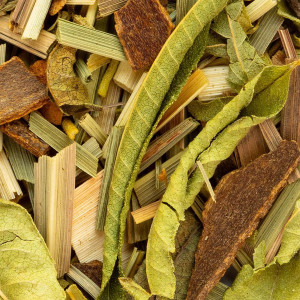 Stroll Through Provence Herbal Infusion€7.90
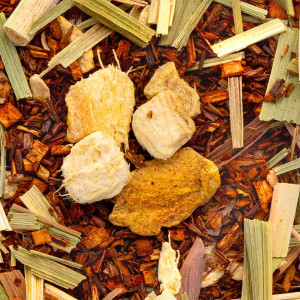 Ginger Lemon Rooibos€8.00
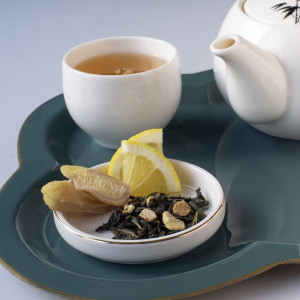 Yangtze Green Tea€7.90
Prefer a cup with caffeine? Browse our lemon teas, available in black, green and white. The most sought-after pairing also has its own page: our ginger lemon infusions, including rooibos, herbal teas and loose-leaf teas.
Lemon is one of the most versatile infusion ingredients around. A few tried-and-tested recipes:
- Lemon, ginger and honey: the classic winter recipe. Juice of half a lemon, 3 slices of fresh ginger steeped for 10 minutes, 1 teaspoon of honey added once the drink has cooled slightly. Our ginger guide covers all the uses in detail.
- Lemon, honey and thyme: the comforting version for cooler seasons, gently soothing. See our thyme herbal tea guide.
- Lemon, honey and cinnamon: a warming, indulgent combination, perfect at the end of the day. Opt for Ceylon cinnamon.
- Lemon and peppermint: refreshing after a meal, with gentle digestive support.
- Lemon and rosemary: a Mediterranean recipe with a lightly invigorating edge.
- Cold brew lemon, ginger and basil: a summer cold-infusion version.
Lemon herbal tea: traditional uses
Lemon is associated with many traditional uses, though not all of them are backed by clinical evidence. Here are the most well-established:
- Vitamin C intake: appreciated during the winter months, provided the vitamin is protected from heat by adding the juice at the end of preparation.
- The comfort of lemon and honey: a traditional combination backed by generations of use. Honey brings its enveloping warmth, lemon a bright, vitamin-rich note.
- A feeling of freshness: the tartness of lemon is naturally refreshing by its very nature.
- Hydration support: adding flavor variety makes it easier to drink more water each day.
What science does not support: lemon is not a "fat burner," it does not treat viral infections, and it does not specifically eliminate toxins (the liver and kidneys do that work very efficiently without any outside help).
Precautions and contraindications
Lemon is generally well tolerated, but a few guidelines apply:
- Tooth enamel: citric acid can erode enamel over time. For regular daily use, drink through a straw and rinse your mouth with plain water afterward.
- Gastroesophageal reflux: lemon's acidity can worsen heartburn in sensitive individuals. Other herbal teas (chamomile, mallow) may be a better choice.
- Active gastric ulcer: best avoided, as it may irritate the stomach lining.
- Citrus allergies: rare but documented. Watch for skin or digestive symptoms after consumption.
- Phototoxicity of zest: applying lemon zest to the skin before sun exposure can cause pigmentation marks (phytophotodermatitis).
- Medications: fewer documented interactions than grapefruit, but if you are on a demanding treatment, mention your lemon consumption to your doctor.
Where possible, choose organic, post-harvest untreated lemons, especially if you use the zest. Conventionally grown lemons are often treated after harvesting with preservatives applied directly to the skin.
Disclaimer: the information in this article is intended for educational purposes and does not replace medical advice. Lemon as an infusion is a culinary and comfort use, not a medical treatment.
Sources: EFSA, Scientific Opinion on Dietary Reference Values for vitamin C (2013) · CIQUAL, nutritional composition table for foods (ANSES) · Klimek-Szczykutowicz M. et al., Plants, on the nutritional composition of lemon (PMID:32218147) · ANSES, recommendations on the use of citrus fruits.
Written by
Julien Huot, founder of Thés & Traditions. Tea selector since 2016, trained in tasting and passionate about sharing the cultures of tea and botanical infusions.
Published 15 May 2019 · Updated 21 May 2026
Frequently asked questions
- No. Simmering water (95°C / 200°F) is enough for the zest. Add the juice at the end of preparation, once the water has cooled slightly, to preserve the vitamin C that breaks down above 80°C (176°F).
- No. Lemon is not a fat burner. It can complement a balanced lifestyle (replacing sugary drinks with lemon water, for instance) but has no direct metabolic effect on weight loss.
- 2 to 3 cups a day is a reasonable amount. To protect tooth enamel, drink through a straw and rinse your mouth with water afterward.
- Yellow lemon is the more traditional choice and the milder of the two. Lime is sharper and more aromatic, ideal in a cold summer version. Both work well.
Go further
To deepen your infusion rituals, explore our ginger guide, which pairs beautifully with lemon, discover our cinnamon guide for warming combinations, or browse our fruit herbal tea guide. Ready to brew? Explore our range of organic herbal teas.
A pitcher, some ice, a little patience : all you need now is our iced tea selection.
Tempted to try it?
Our selection related to this article, loose leaf and organic.
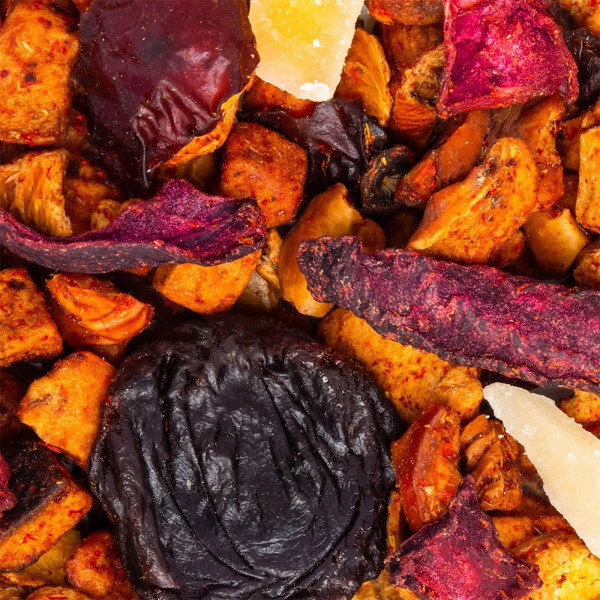
Cherry Cake Herbal Infusion
Cherry Cake herbal infusion, a truly indulgent cherry infusion, captures the warmth of a homemade pastry.
€6.90Discover

Almond Cloud Herbal Infusion
Almond Cloud herbal infusion is a tender, indulgent almond infusion that brings together roasted almond, apple and popcorn in a…
€7.20Discover
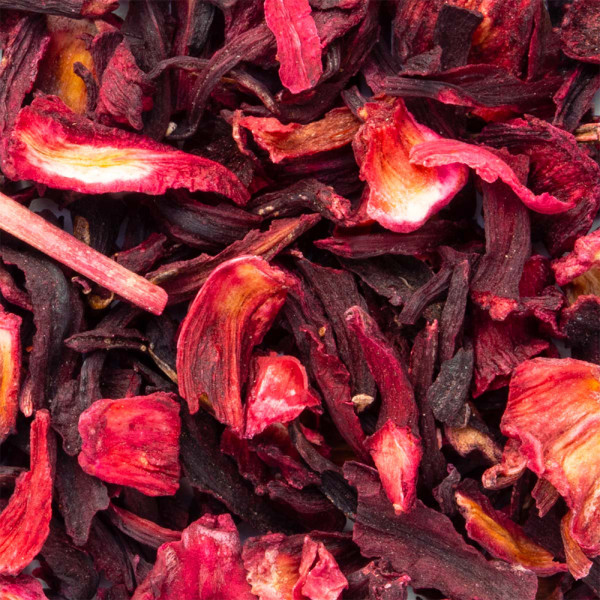
Hibiscus Flowers
Step into a swirl of deep crimson colour and captivating flavour with our hibiscus herbal infusion!
€5.90Discover