Sage: 6 Benefits for Women (Menopause, Cycles)

In brief: Common sage (Salvia officinalis) is a plant with a long history of traditional use as an herbal infusion, rich in essential oil and concentrated in active compounds. Use 1 teaspoon (1 g) of dried leaves per 8 oz cup, steeped for 10 minutes at 200°F (95°C). Important: not recommended during pregnancy or breastfeeding.
Common sage is one of the oldest plants in European herbal tradition. Its Latin name Salvia comes from salvare (to save), a hint at the central role it once played in ancient medicine. Today, its HMPC monograph at the EMA places it among the rare plants with "well-established" status for a specific indication. This page covers its traditional uses, how to prepare it properly, and the key precautions to keep in mind.
To brew it at home, our loose-leaf organic sage comes from a certified growing source.
Sage: recognition by the EMA
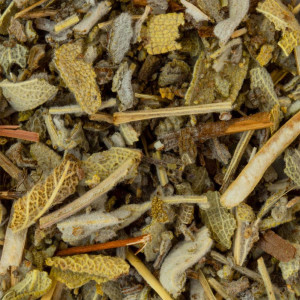
Common sage (Salvia officinalis) is listed in the HMPC community herbal monograph of the EMA. Two levels of recognition apply:
- Well-established use: sage is traditionally associated with women's comfort during menopause, particularly during periods of excessive perspiration.
- Traditional use recognised: traditionally appreciated for occasional digestive discomfort and, as a mouthwash, for the comfort of the oral mucosa.
The leaves contain an essential oil rich in thujone (an active compound of interest, but one that requires strict dosing), along with camphor, cineole, phenolic acids (rosmarinic) and flavonoids. This composition explains both the appeal and the precautions.
Traditional uses
- Women's wellbeing: sage has long been appreciated by women during menopause; scientific studies have also explored its extracts, though these findings do not apply to herbal infusions and cannot replace medical advice.
- Digestive comfort: traditionally enjoyed after meals, during periods of slow digestion.
- Oral comfort: used as a lukewarm mouthwash, following a long-standing traditional practice.
- Soothing ritual: as a lukewarm gargle, an ancient remedy for seasonal throat discomfort.
How to make a good sage herbal infusion
- Dose: 1 teaspoon (1 g) of dried leaves per 8 oz (25 cl) cup. Do not exceed this amount: sage is more concentrated in active compounds than an ordinary culinary herb.
- Water: bring to a gentle simmer (200°F / 95°C).
- Time: steep for 10 minutes with the cup covered to retain the essential oils.
- Frequency: 2 to 3 cups per day at most, over a short course of 5 to 7 days. After that, take a break to avoid thujone accumulation.
- As a mouthwash: allow to cool slightly, gargle for 30 seconds, and avoid swallowing systematically.
Precautions and key contraindications
Common sage calls for more care than most other herbal infusions. A few firm guidelines:
- Pregnancy: not recommended. Thujone and certain other compounds may cross the placental barrier.
- Breastfeeding: not recommended. Sage has a documented effect of reducing milk production, traditionally used at the time of weaning.
- Epilepsy: thujone may lower the epileptogenic threshold; avoid.
- Hormone-sensitive conditions (certain breast cancers, endometriosis): possible oestrogenic effects; medical advice is essential.
- High blood pressure: may slightly raise blood pressure at higher doses.
- Diabetes under treatment: possible hypoglycaemic effect; monitor carefully.
- Anticoagulants: possible interactions.
- Children under 12: avoid as a course of treatment; normal culinary use carries no risk.
- Extended courses: do not exceed 2 weeks of daily consumption to limit cumulative thujone exposure.
The ANSES (French food safety agency) has issued several warnings about inappropriate uses of common sage, particularly in essential oil form (which is highly concentrated in thujone and camphor).
Disclaimer: the information in this article is for educational purposes only and does not replace medical advice. Persistent menopausal, hormonal or digestive complaints should be discussed with a healthcare professional. Herbal infusions are not medicines.
Sources: European Medicines Agency, Community herbal monograph on Salvia officinalis L., folium (HMPC) · Bommer S. et al., Advances in Therapy on sage and hot flashes (PMID:21630133) · ANSES, recommendations on the uses of common sage and its essential oil · WHO monograph on selected medicinal plants (Salvia officinalis).
Written by
Julien Huot, founder of Thés & Traditions. Tea selector since 2016, trained in tasting and passionate about sharing the cultures of tea and botanical infusions.
Published 28 July 2019 · Updated 21 May 2026
Frequently asked questions
- Common sage is among the plants traditionally appreciated by women during menopause, and studies have explored its extracts. These findings do not apply to herbal infusions and cannot replace medical advice: if discomfort persists, speak with a healthcare professional.
- 2 to 3 cups at most, over a short course of 5 to 7 days, then a break. Sage contains thujone, and cumulative exposure should be limited. Prolonged daily use is not recommended without medical advice.
- No, it is not recommended. Common sage should be avoided during both pregnancy and breastfeeding.
- Yes, this is a documented effect, traditionally used at the time of weaning. Nursing mothers should therefore avoid sage.
Further reading
Take a look at our thyme guide, which pairs well with sage for seasonal discomfort, or our rosemary guide from the same Lamiaceae family. For digestive support, see our digestive selection. To explore more options, browse our wellness infusions.
Ready to brew? Find our loose-leaf sage infusion in our shop.
Tempted to try it?
Our selection related to this article, loose leaf and organic.
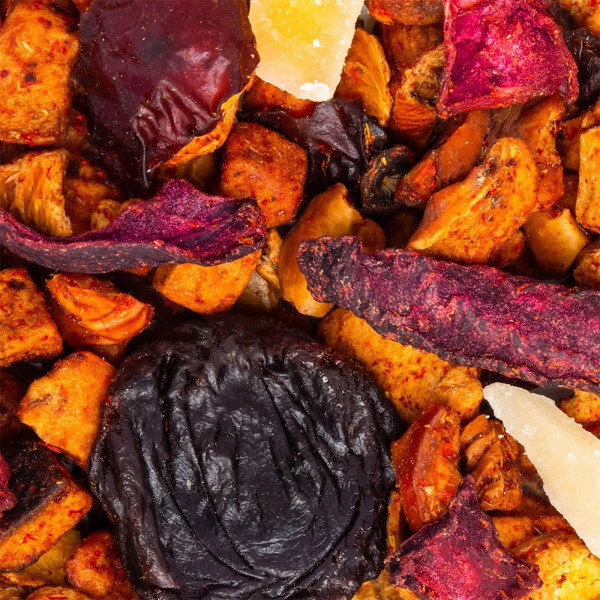
Cherry Cake Herbal Infusion
Cherry Cake herbal infusion, a truly indulgent cherry infusion, captures the warmth of a homemade pastry.
€6.90Discover
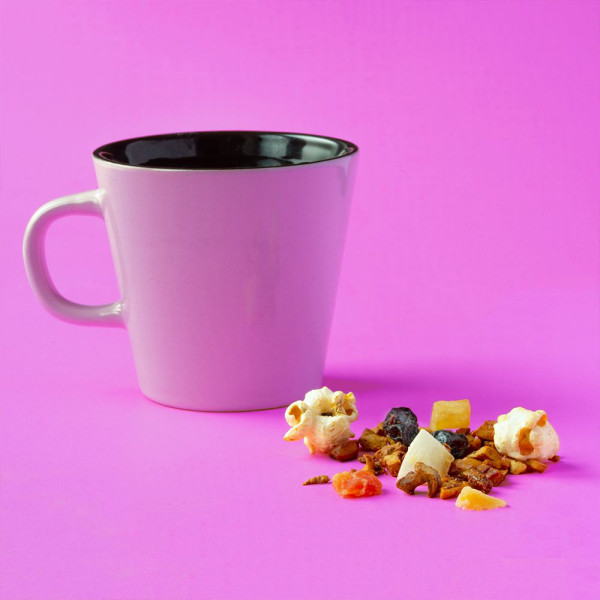
Almond Cloud Herbal Infusion
Almond Cloud herbal infusion is a tender, indulgent almond infusion that brings together roasted almond, apple and popcorn in a…
€7.20Discover
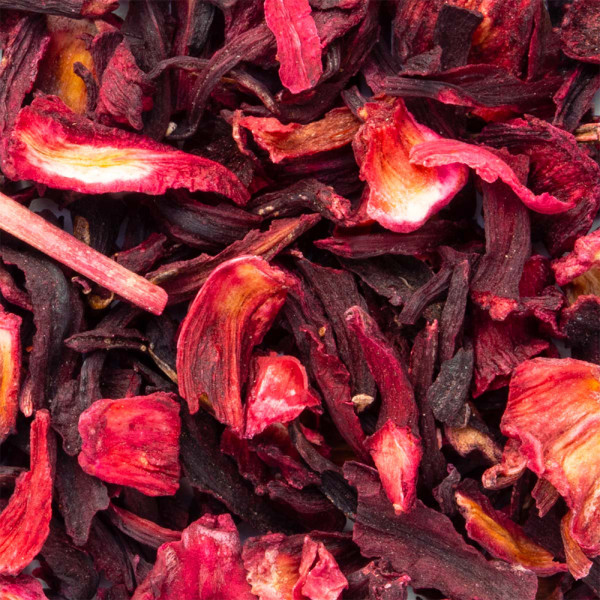
Hibiscus Flowers
Step into a swirl of deep crimson colour and captivating flavour with our hibiscus herbal infusion!
€5.90Discover