Thyme Herbal Tea: 6 Benefits & Winter Ritual

In brief: Thyme (Thymus vulgaris) is one of the most cherished aromatic plants of the Mediterranean basin, traditionally infused in the cold season for its warm, comforting character. Rich in thymol and carvacrol, it is one of the most familiar plants in European infusion traditions. Use 1 teaspoon of dried leaves per 250 ml cup, steep for 10 minutes at 95 °C, and drink 2 to 3 cups per day for a comforting moment in the cooler season.
Thyme is one of the most emblematic aromatic plants of the Mediterranean basin. Used since ancient Egyptian and Greek times, it holds a treasured place in infusion rituals. This page covers its traditional uses, ideal preparation, and key precautions.
Thyme: a Mediterranean plant of tradition
Thyme (Thymus vulgaris, and sometimes Thymus zygis) is among the most familiar plants in European infusion traditions. It has long been associated with time-honoured uses:
- A comforting infusion for the cold season, often sweetened with honey and lemon.
- An aromatic pause after a meal.
The leaves contain an essential oil rich in thymol and carvacrol, two aromatic compounds characteristic of thyme. The plant also contains flavonoids (apigenin, luteolin) and phenolic acids (rosmarinic acid).
Traditional uses of thyme
- Comforting winter infusion: the most common ritual, a warm and fragrant cup in the cold season.
- After-meal moment: an aromatic infusion to round off a meal gently.
- Seasonal ritual: a time-honoured habit at the onset of winter, passed down through generations.
- Mediterranean note: a scent of garrigue that evokes the sun and southern cooking.
How to prepare a good thyme herbal tea
- Dose: 1 teaspoon (1 to 2 g) of dried leaves per 250 ml cup.
- Water: bring to a near-boil (95 °C).
- Time: steep for 10 minutes with the cup covered (essential oils are volatile).
- Straining: pass through a fine-mesh strainer. Add a spoonful of honey and a squeeze of lemon for the classic winter recipe.
- Frequency: 2 to 3 cups per day in the cooler season, over a short course of 5 to 7 days.
- In the evening: a warm cup, plain or lightly sweetened with honey, for a comforting moment.
Classic combinations
- Thyme + honey + lemon: the timeless favourite for the cold season.
- Thyme + elderflower: a tried-and-tested pairing for the cold season. See our elderflower guide.
- Thyme + rosemary: for a toning blend. See our rosemary guide.
- Thyme + sage: a characterful aromatic duo. See our sage guide.
- Thyme + cinnamon + clove: a warming winter infusion.
Precautions and contraindications
- Pregnancy and breastfeeding: avoid prolonged use. Normal culinary use poses no known risk; therapeutic use requires medical advice.
- Children: the herbal tea is acceptable from age 6 in appropriate doses. The essential oil should be avoided under age 6.
- Allergies to Lamiaceae: possible in sensitive individuals (mint, rosemary, lavender family).
- Thyroid conditions: thyme contains compounds that may influence thyroid function. Medical advice is recommended if you are on treatment.
- Anticoagulants: possible interactions; inform your doctor.
- Thyme essential oil: highly concentrated in phenols and dermocaustic. Never apply neat to the skin; never take orally without professional guidance. The ANSES has issued warnings about inappropriate uses.
If symptoms persist or worsen (fever, lasting discomfort), consult a doctor without delay.
Disclaimer: the information in this article is for educational purposes only and does not replace medical advice. If symptoms persist, consult a healthcare professional. Herbal teas are beverages for pleasure and well-being, not medicines.
Sources: European Medicines Agency, Community herbal monograph on Thymus vulgaris L., herba (HMPC) · Kemmerich B., Arzneimittel-Forschung on thyme (PMID:16482450) · ANSES, recommendations on the use of thyme and its essential oil · WHO monograph on selected medicinal plants.
Written by
Julien Huot, founder of Thés & Traditions. Tea selector since 2016, trained in tasting and passionate about sharing the cultures of tea and plant-based infusions.
Published 4 October 2019 · Updated 21 May 2026
Frequently asked questions
- Thyme makes a warm, aromatic infusion with notes of garrigue, slightly herbaceous and peppery. It is happily sweetened with a little honey and a squeeze of lemon for a comforting winter cup.
- 2 to 3 cups per day over a short course of 5 to 7 days in the cooler season. For regular everyday use, 1 cup a day is reasonable.
- Normal culinary use is fine. For regular infusion as a habit, ask your midwife or a healthcare professional.
- Both work well. Dried thyme is more concentrated (1 teaspoon), while fresh requires 2 to 3 sprigs. The essential oil releases better with heat and a lid on the cup.
Go further
To deepen your wellness journey, explore our elderflower guide, which pairs beautifully with thyme, discover our rosemary guide from the same plant family, or read our clove guide. Ready to try it yourself? Browse our organic range.
Tempted to try it?
Our selection related to this article, loose leaf and organic.
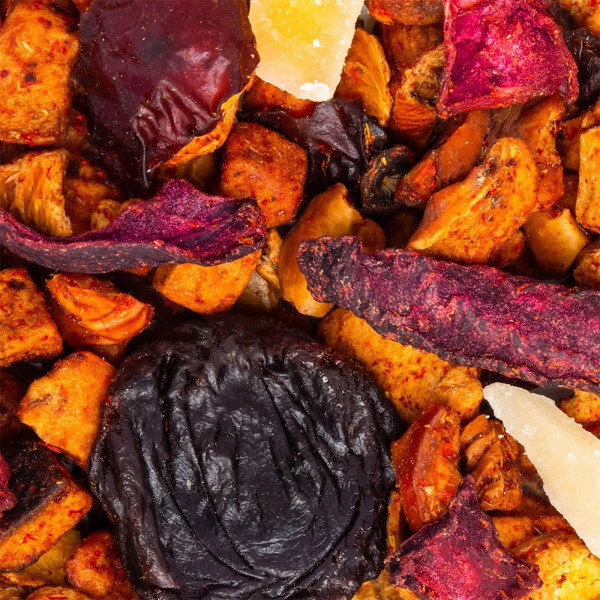
Cherry Cake Herbal Infusion
Cherry Cake herbal infusion, a truly indulgent cherry infusion, captures the warmth of a homemade pastry.
€6.90Discover
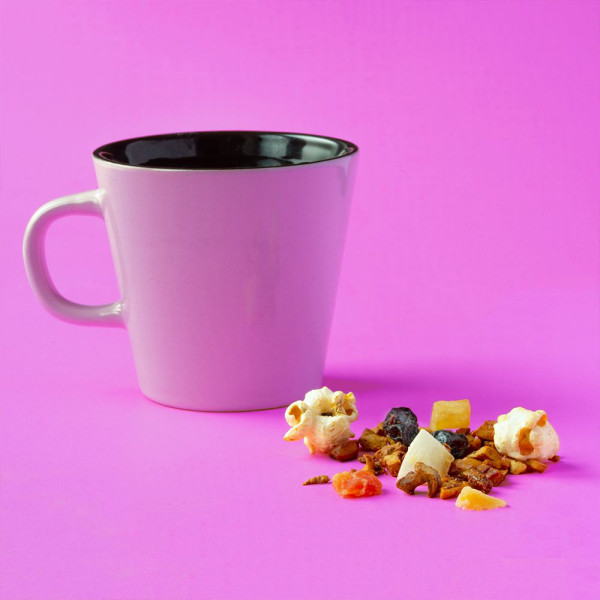
Almond Cloud Herbal Infusion
Almond Cloud herbal infusion is a tender, indulgent almond infusion that brings together roasted almond, apple and popcorn in a…
€7.20Discover
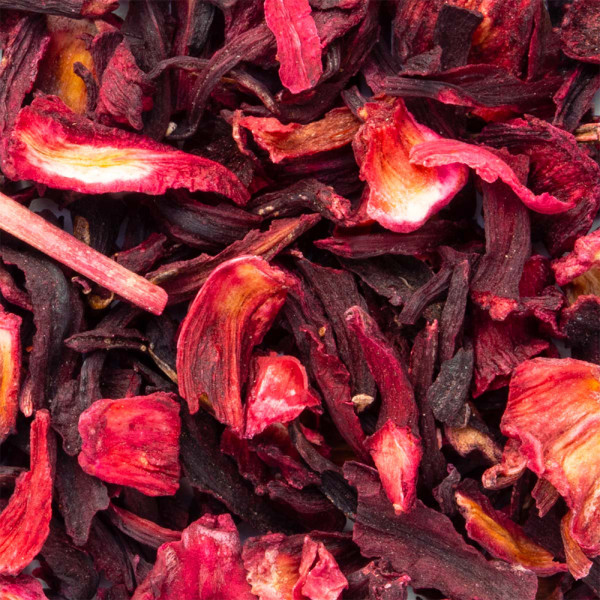
Hibiscus Flowers
Step into a swirl of deep crimson colour and captivating flavour with our hibiscus herbal infusion!
€5.90Discover