Cranberry Herbal Infusion: A Natural Ally for Urinary Health

In brief: Cranberry (Vaccinium macrocarpon) is one of the few plants whose proanthocyanidins have been assessed by the EFSA for their effect on the lower urinary tract. The herbal infusion (made from dried berries) offers flavour and polyphenols, but remains less concentrated than a standardised PAC extract. Use 1 tablespoon of dried berries per 250 ml cup, steeped for 10 minutes at 95°C.
Cranberry is a small red berry native to North America. Known since Native American times, it gained popularity in Europe from the 1990s onwards, thanks to research into its proanthocyanidins (PAC). This page distinguishes what is documented from what is purely marketing, and explains how to prepare a good cranberry herbal infusion.
Cranberry: what the evidence says
The main interest of cranberry lies in its type-A proanthocyanidins, condensed tannins that have been studied for their effect on the adhesion of certain bacteria (notably E. coli) to the walls of the urinary tract. Several studies have explored this:
- A Cochrane review assessed the available evidence: the effect is moderate and inconsistent across studies, most apparent in women with recurrent urinary tract infections.
- The EFSA has not validated a specific health claim, due to insufficient standardisation. PAC content varies considerably from one product to another.
- The most robust studies use standardised PAC extracts (at least 36 mg/day), not infusions of dried berries.
In short: cranberry herbal infusion does provide some PAC, but far less than a dedicated extract. It remains pleasant to drink and rich in antioxidant polyphenols, but it is not a treatment for urinary tract infections.
Composition and nutritional profile
Dried cranberries are rich in:
- Proanthocyanidins (type-A PAC): the specific active compounds.
- Anthocyanins: antioxidant pigments responsible for the red colour.
- Vitamin C: present in moderate amounts, though degraded by the heat of infusion.
- Quinic acid and other organic acids: the source of their characteristic tartness.
How to prepare a cranberry herbal infusion
- Amount: 1 tablespoon (3 g) of dried berries per 250 ml cup.
- Water: bring to a near-boil (95°C). You can also decoct (a gentle 3-minute simmer) to extract more tannins.
- Steeping time: 8 to 10 minutes, covered.
- Sweetening: the flavour is naturally tart, so add a teaspoon of honey or a squeeze of lemon at the end. No added sugar needed.
- Frequency: 2 to 3 cups a day for a course of 2 to 3 weeks maximum.
Classic pairings
- Cranberry + hibiscus: a naturally tart duo rich in polyphenols. See our hibiscus guide.
- Cranberry + rosehip: a pairing rich in vitamin C with a fruity flavour.
- Cranberry + Rooibos: softens the tartness, caffeine-free.
- Cranberry + mixed red berries: a classic red berry herbal infusion.
Precautions and contraindications
- Anticoagulant treatment (warfarin): cranberry may interact with vitamin K antagonists. Let your doctor know if you consume it regularly.
- Oxalate kidney stones: cranberry contains oxalates and should be avoided if you have a history of kidney stones.
- Diabetes: choose unsweetened dried berries (no added sugar). Commercial "sweetened" versions are very high in sugar.
- Acid reflux: the acidity may worsen symptoms in sensitive individuals.
- Tooth enamel: frequent consumption may affect enamel over time. Use a straw during longer courses.
Urinary tract infections require medical attention. A cranberry herbal infusion can complement good hygiene habits (staying hydrated, urinating regularly) but does not treat an active infection. If symptoms persist beyond 48 hours, seek medical advice promptly.
Disclaimer: the information in this article is for educational purposes only and does not replace medical advice. Urinary tract infections require a medical consultation, particularly in pregnant women, people with diabetes, or older adults.
Sources: Jepson R.G. et al., Cochrane Database of Systematic Reviews on cranberry and UTI (PMID:29063189) · EFSA, assessments of health claims related to PAC (2013) · Howell A.B., Phytochemistry on type-A proanthocyanidins · ANSES, recommendations on food supplements based on cranberry.
Written by
Julien Huot, founder of Thés & Traditions. Tea selector since 2016, trained in tasting and passionate about sharing the cultures of tea and botanical infusions.
Published 22 August 2019 · Updated 21 May 2026
Frequently asked questions
- Evidence is moderate and stronger for standardised PAC extracts than for berry infusions. The infusion provides polyphenols but does not replace medical treatment.
- 2 to 3 cups a day for a course of 2 to 3 weeks maximum. After that, take a break.
- Dried (unsweetened) is more concentrated and available year-round. Fresh berries work for culinary use but are hard to find outside North America.
- In moderate amounts, yes, but urinary tract infections during pregnancy require immediate medical attention. Do not self-medicate.
Go further
To explore further, read our hibiscus guide, browse our red berry herbal infusions guide, or consult our general guide to herbal infusions. Ready to brew? Explore our organic range.
Tempted to try it?
Our selection related to this article, loose leaf and organic.
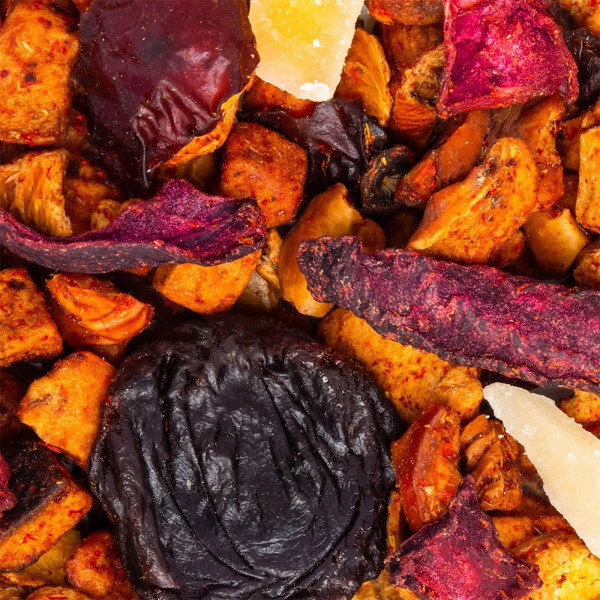
Cherry Cake Herbal Infusion
Cherry Cake herbal infusion, a truly indulgent cherry infusion, captures the warmth of a homemade pastry.
€6.90Discover
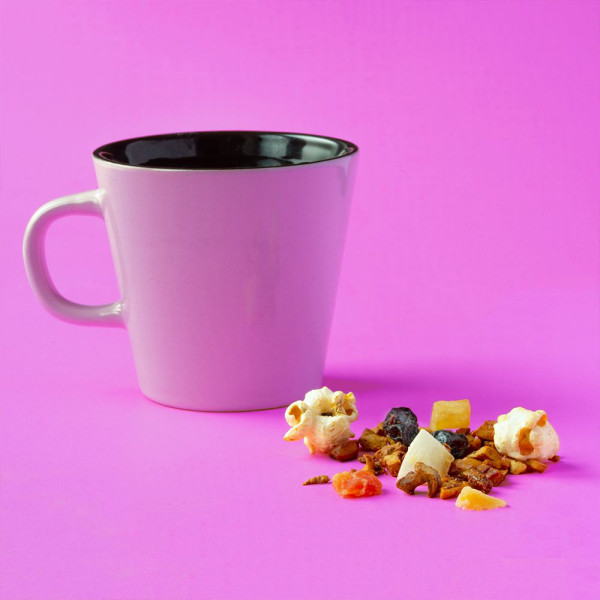
Almond Cloud Herbal Infusion
Almond Cloud herbal infusion is a tender, indulgent almond infusion that brings together roasted almond, apple and popcorn in a…
€7.20Discover
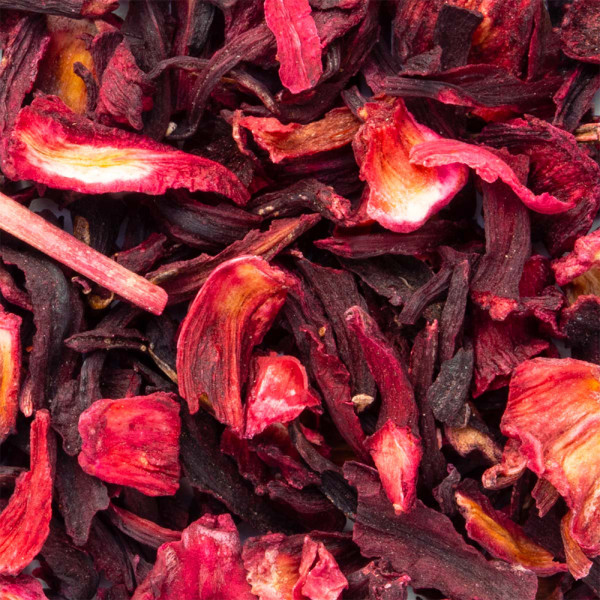
Hibiscus Flowers
Step into a swirl of deep crimson colour and captivating flavour with our hibiscus herbal infusion!
€5.90Discover