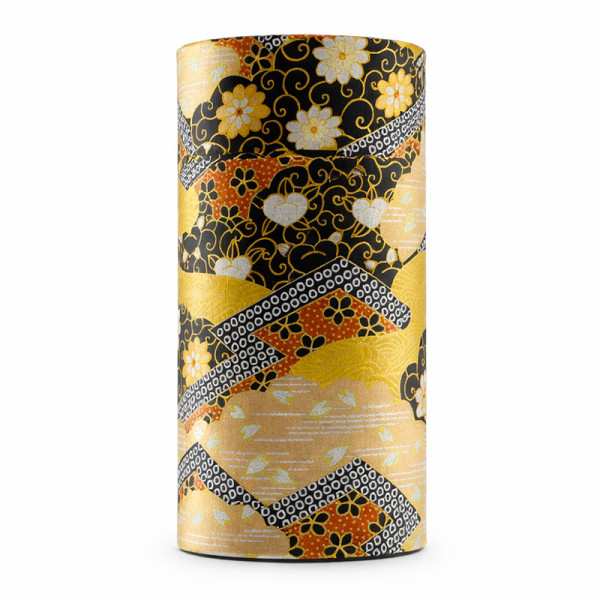
How to Store Tea Properly: Loose-Leaf or Tea Bags for the

Storing tea properly is a way of honouring everything that goes into its harvest and production. A range of tea storage accessories can help preserve the flavour and aromas of flavoured, fruit, plain and herbal teas by shielding them from light, ambient temperature and air. Keeping your tea fresh, whether organic, loose-leaf or in bags, is about protecting its quality and paying close attention to how it is stored.
How storage affects the flavour and aroma of your tea
Loose-leaf tea generally has a longer shelf life than tea bags, which contain leaf fragments and lose their freshness more quickly. In the same way, the larger leaves found in loose-leaf teas keep better than smaller, more delicate leaves.
Loose-leaf and bagged teas and herbal infusions: do they go off?
Like coffee, teas and herbal infusions are non-perishable products and can safely be consumed past their best-before date. That said, they can lose freshness and aroma over time, and loose leaves may change colour. Storing your tea carefully is the best way to preserve its character. The more oxidised a tea is, the longer it keeps.
How oxidation affects the shelf life of classic teas, Pu-erh and Matcha
The shelf life of a tea or herbal infusion varies depending on its level of oxidation.
- Green, yellow (very rare) and certain Oolong teas are lightly oxidised. Their leaf colour and unique aroma can deteriorate easily. Shelf life: 6 to 12 months.
- Black tea, white tea, Rooibos and several Oolongs are oxidised teas and keep for approximately 18 months to three years.
- Pu-erh, roasted tea and heavily oxidised Oolong have no set expiry for consumption. Pu-erh teas can even improve with age, stored in a well-ventilated, dry room.
- Matcha should be used within 1 to 2 months of opening and ideally kept in the refrigerator.
- Herbal infusions are best kept in a cool, dry place.
Protecting tea and herbal infusions from their environment
Tea and herbal infusions, like all dry foods, can be affected by pests, moisture and mould. To prevent this, tea needs to be protected from several environmental factors.
- Air (oxygen) and moisture are tea's main enemies. The leaves won't deteriorate dramatically, but they will lose their aroma. Green teas, being more delicate, will produce a brew with an altered appearance; black teas will taste more bitter.
- Tea quickly absorbs surrounding odours, both during storage and production (jasmine tea being a classic example). Strong teas such as Earl Grey or Lapsang Souchong should always be stored separately from others.
- Teas are sensitive to ambient temperature, and heat causes aroma loss. For white, green and Matcha teas, refrigeration can be an option, though not all fridges maintain a low enough level of humidity.
- Any kind of light degrades tea leaves. Glass containers should be avoided, even when kept inside a closed cupboard.
Choosing the right accessories for storing loose-leaf and bagged tea
Keeping tea fresh means protecting its quality by storing it in the right place and in a suitable container, one that lets in no oxygen, moisture or light.
The best containers for loose-leaf tea
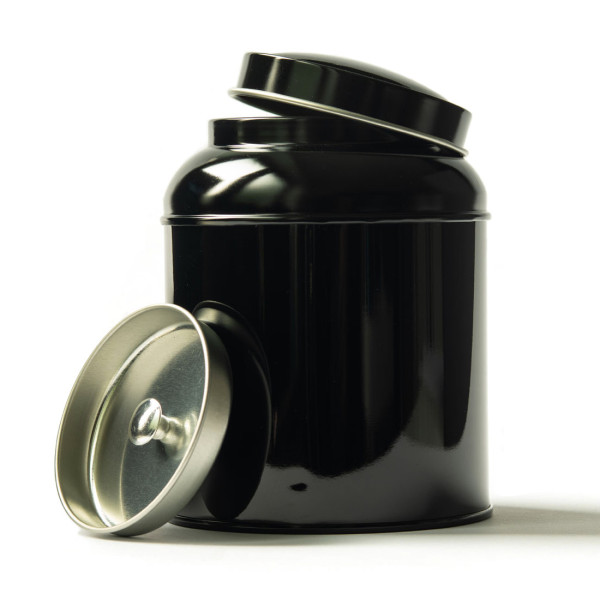
Loose-leaf teas are best kept in airtight, opaque containers. The most common choice is a double-lidded metal tea caddy, though ceramic pots also work well. Choosing a container that fits the quantity of tea helps minimise the amount of air inside.
When buying larger quantities, fill a small tin for everyday use and keep the rest in its original packaging with the air removed, stored inside a larger container. Tea storage tins also work well for ground or whole-bean coffee. Beyond metal tins, purple clay pots are a popular choice for long-term storage of oxidised teas, Pu-erh and heavily oxidised Oolongs.
Storing tea bags
The best conditions for storing tea bags are the same as for loose-leaf tea: protect them from air, moisture, heat and odours. If you have several types of bagged tea, it is best not to store them together, as aromas and flavours can mingle, unless the teas are lightly scented or you have only a small number of varieties. Tea bags sold in cardboard packaging are best transferred to an airtight, opaque tin. They can also be stored in a dedicated tea drawer or cupboard.
Storing and brewing tea go hand in hand. Choosing a quality product, preferably organic, using the right containers to keep it at its best, following recommended shelf lives, and preparing your brew with care, selecting an appropriate teapot and using the correct water quantity and temperature: these are our tips for the perfect cup.
You may also find these pages useful:
Tempted to try it?
Our selection related to this article, loose leaf and organic.
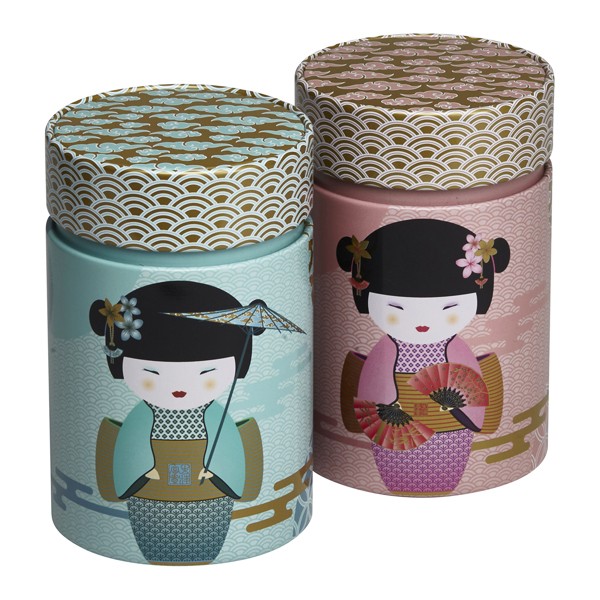
Little Geisha Tea Caddy
The Little Geisha tea caddy is round, holds up to 150 grams and features a double lid.
€6.90Discover