

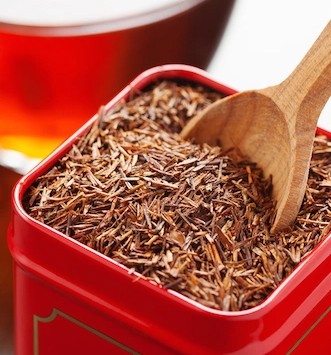
With vanilla or lemon, with milk or without, rooibos has won over tables across Europe. To preserve its flavor and virtues, this red tea is prepared with care and expertise. Water, leaves, and a touch of magic for a red drink with the flavor of roasted hazelnut. The secrets of African traditions for preparing rooibos, exclusively for you in this article.
The red infusion that is revolutionizing the coffee break
The trend for teas and herbal infusions shows no sign of slowing. Today, they are present at every table, even at Christmas. But traditional teas, especially black tea, are rich in theine (a type of caffeine). This can sometimes have a stimulating effect.
Red tea, whose real name is rooibos, changes the game. True, it is a leaf infusion, but the resemblance to green or black tea stops there. Rooibos brings a new flavor to the afternoon cup. More fruity, the aroma of the red drink from the Cape delights the whole family.
Rich in antioxidants and low in tannins, rooibos is a wonderful gift from nature. Like green tea, its health benefits are numerous. In the opinion of naturopaths, rooibos tea is the preparation to give as a gift.
Water, the secret of African red tea
Like all plant-based drinks, rooibos tea requires careful preparation. Details such as water temperature, leaf quality, and the number of spoonfuls are all essential.
Warm, but not boiling water for your red tea
The list of medicinal properties of rooibos is immense. But to preserve its benefits, the drink must steep correctly. Water that is too hot burns the antioxidants, while water that is too cold prevents the flavors from blooming.
To prepare a quality rooibos, spring water is superior to mineral water. The latter could affect the final taste of the product due to its minerals. The water should then be brought to a temperature of 100°C and poured into a preheated cup. Indeed, rooibos expresses its full potential at 90°C. However, a cold cup brings simmering water down to a temperature of 82 to 85°C, which is too low.
Sun-fermented rooibos leaves for more flavor
The quality of the rooibos determines the depth of its aroma. The less the plant has been handled, the more flavorful it is.
Nature blesses the Cederberg mountains with generous sunshine. The leaves of the shrub can ferment naturally there. They then take on the reddish color symbolic of the drink. It is also during fermentation that their sweet taste develops.
Rooibos only grows in this arid region of South Africa. As a result, the product is naturally organic.
A masterful infusion for an indulgent red tea
Infusion time is the key moment for many plant-based drinks. When it comes to rooibos infusions, opinions vary.
Traditionally, the steeping times are:
- 10 minutes for red rooibos;
- 8 minutes for green rooibos;
- 5 minutes for flavored rooibos (with spices or fruits).
If you wish to steep for longer for more intense flavors, that is not a problem. Rooibos contains neither theine nor caffeine, so it will have no stimulating effect. The plant is also low in tannins. Therefore, even a prolonged infusion does not bring the bitterness found in some teas.
Multiple recipes for an organic rooibos with surprising flavors
In the West, the organic drink takes on new flavors with the addition of fruits and spices. In Africa, the classic dosage is one teaspoon of rooibos per cup of hot water. Elsewhere, it has become fashionable to add extra spoonfuls of plants.
The recipes that receive the most favorable reviews are:
- vanilla rooibos;
- rooibos with citrus zest (orange and lemon in particular),
- ginger rooibos.
Plants multiply the health benefits of the infusion. An endless list of additional ingredients exists.
Red rooibos, the new spice of food lovers
Rooibos is not just an herbal infusion. Because of its rich, warm color, it has become a prized ingredient in cooking. At Christmas in particular, it is used in cakes and biscuits.
Some Michelin-starred chefs also add a few spoonfuls of rooibos to their sauces to achieve beautiful colorful tones. This is notably the case in duck à l'orange flavored with rooibos. In desserts, rooibos adds elegant finishing touches. A truly wonderful gift for the discerning palate.
Culinary arts thus benefit from the properties of rooibos to diversify their repertoire. As a family, it is a wonderful opportunity to discover new flavors.