Best Rooibos: Buying Guide and Top Picks

Looking for the perfect rooibos for your moments of calm? This South African herbal infusion, naturally caffeine-free, is winning over more and more tea lovers with its gentle character and warming, mellow notes. Between traditional red rooibos, flavoured varieties and organic options, the choice can feel overwhelming. Here is how to find the rooibos that suits your taste and expectations.
Key Takeaways
- Red rooibos offers soft, honeyed flavours, making it the perfect starting point
- Organic versions deliver superior quality and a more authentic taste
- Choose loose-leaf for better aroma preservation
- Cederberg origin in South Africa is a reliable mark of premium quality
- Caffeine-free, it can be enjoyed at any time of day
What Makes an Excellent Rooibos?
A truly great rooibos starts with its origin. This remarkable plant, Aspalathus linearis, grows naturally only in the Cederberg mountains of South Africa. The region's dry climate and poor soils are what give rooibos its distinctive character.
Quality depends on several key factors. First, the harvesting method: the finest producers favour hand-picking of young shoots, which are richer in flavour. Then, the fermentation process plays a defining role in the development of the aroma.
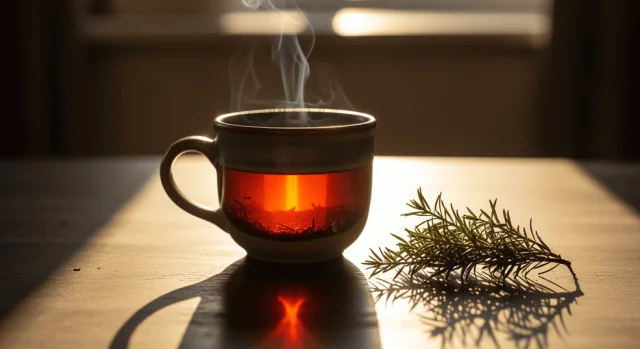
A superior rooibos brews to a deep copper-red colour, a sign of well-controlled fermentation. The leaves should be finely cut, with minimal dust or twigs. In the cup, look for a balance between natural sweetness and aromatic complexity, with notes of honey, vanilla or hazelnut.
Organic certification is also a reliable quality indicator. It guarantees the absence of pesticides as well as farming practices that preserve both the nutritional and flavour qualities of the plant.
Red or Green Rooibos: Which Should You Choose?
Red rooibos remains the most popular and approachable. Its fermentation process gives it that characteristic colour and rounded, naturally sweet flavours. The aroma calls to mind vanilla, honey and sometimes hazelnut, with a gentle finish that tends to please everyone.
Green rooibos, less well known but just as interesting, undergoes minimal processing. Dried quickly after harvest with no fermentation, it retains a lighter colour and more herbaceous flavours. Its profile is closer to green tea, with a fresh, grassy quality and a light astringency.
If you are new to rooibos, start with the red version for a gentler introduction. Green tea lovers will likely appreciate green rooibos for its livelier notes and different kind of complexity.
Some producers also offer semi-fermented rooibos, a compelling middle ground between the two styles. These versions combine the softness of red with the freshness of green, creating unique aromatic profiles.
The Best Brands and Origins
Among the most respected references, rooibos from the Cederberg region enjoys an outstanding reputation. This mountainous area offers ideal conditions: altitude, a dry climate and lean soils that concentrate the flavours.
Local South African cooperatives often produce the finest rooibos, as they have mastered traditional techniques passed down through generations. Look for mentions of "Cederberg" or "Western Cape" on the packaging.
Several French tea houses stand out for their rigorous selection. They work directly with South African growers to ensure complete traceability and consistent quality. These partnerships make it possible to source rooibos with exceptional aromatic profiles.
Fair trade certifications are also worth paying attention to. They ensure fair pay for producers while maintaining high quality standards. This ethical approach helps preserve traditional know-how and the biodiversity of the region.
Plain or Flavoured Rooibos: What to Choose?
Plain rooibos reveals the full richness of this remarkable plant. Its authentic, gentle and complex flavours deserve to be experienced on their own. It is the ideal choice for appreciating the full range of tasting notes that vary by origin and quality.
Flavoured versions open up a world of indulgent possibilities. Citrus blends bring an invigorating freshness, especially welcome in summer. Pairings with vanilla or cinnamon create deeply comforting moments, perfect for winter evenings.
Do pay attention to the quality of the flavourings used. Look for blends made with real pieces of fruit, spices or herbs rather than artificial aromas, which can mask the mediocre quality of the base rooibos.
For a first experience, start with a fine plain rooibos. Once you are familiar with its characteristic flavours, you will be able to explore flavoured versions with a more discerning eye, and better appreciate the quality of what is on offer.
Loose-Leaf or Tea Bags: The Impact on Quality
Loose-leaf rooibos generally offers superior quality. The leaves retain their essential oils and aromas far better when not compressed into a bag. You can also assess the product at a glance: colour, leaf size, absence of excessive dust.
Dosing also becomes more precise with loose-leaf. You can adjust the quantity to suit your taste and the size of your teapot, giving you full control over every infusion.
Tea bags remain practical for on-the-go or office use. In that case, choose unbleached paper or fabric bags that allow water to circulate more freely. Avoid plastic bags, which can affect the taste and release unwanted substances.
Some brands offer larger pyramid bags that give the leaves more room to unfurl. This solution combines convenience with a quality infusion, making it a good option for the more discerning drinker.
How to Prepare Your Rooibos
Preparing rooibos differs slightly from brewing a classic tea. Use water at around 95°C, just off the boil, to preserve the delicate aromas. Allow approximately one teaspoon of rooibos per 250 ml of water.
The steeping time can be generous with no risk of bitterness. Steep for 5 to 7 minutes for a balanced flavour, or up to 10 minutes for something fuller-bodied. This forgiving nature makes rooibos a very accessible drink, even for beginners.
Unlike tea, rooibos stands up beautifully to multiple infusions. You can reuse the same leaves 2 to 3 times, simply steeping a little longer each time. Each infusion reveals slightly different nuances.
To make the most of your tasting, serve rooibos in pre-warmed cups. Its copper-red colour and warm aroma create a moment of genuine tranquillity. A touch of honey or a slice of lemon can be a lovely addition, depending on your taste.
Storage and Shelf Life
A quality rooibos keeps well for 2 to 3 years under the right conditions. Store it in an airtight container, away from light, moisture and strong odours. A metal tin or glass jar works perfectly.
Avoid storing rooibos in the refrigerator, where moisture can affect it. A stable room temperature in a dry cupboard is more than sufficient. Always reseal the packaging carefully after each use.
Flavoured rooibos requires a little extra care. Essential oils and pieces of fruit can oxidise more quickly. Ideally, consume them within a year of purchase to enjoy their flavours at their best.
A well-stored rooibos retains its tasting qualities intact. If you notice a loss of aroma or any off-odour, it is time to restock. Freshness remains the secret to the best cup.
Frequently Asked Questions
No, rooibos is naturally free from both caffeine and theine. This makes it an ideal drink for the whole family, including children and pregnant women. You can enjoy it at any time of day without any risk of disturbing your sleep.
Absolutely. Rooibos has no known contraindications for daily consumption. Rich in antioxidants and minerals, it may even support your general wellbeing. Its natural sweetness makes it an excellent alternative to sugary drinks.
A fine rooibos has finely cut leaves, a uniform reddish-brown colour and minimal dust. When brewed, it develops a deep copper-red colour and complex aromas. The taste should be smooth, with no bitterness, and naturally sweet notes.
Yes. Organic certification guarantees the absence of pesticides and more respectful farming practices. These methods protect not only the environment but also the flavour and nutritional qualities of the rooibos. The difference in taste is often noticeable, with purer, more authentic aromas.
With proper storage (an airtight container in a dry, dark place), an opened rooibos keeps its qualities for 12 to 18 months. Flavoured versions are best consumed within the year to enjoy their full flavour.
Ready to taste it ? Browse our rooibos range, from plain to gourmet blends.
Tempted to try it?
Our selection related to this article, loose leaf and organic.
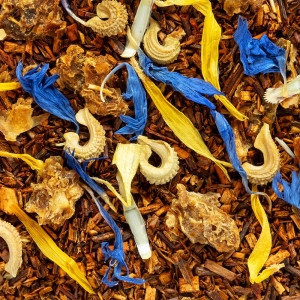
Iced Lemon Orange Rooibos
Organic iced lemon orange rooibos brings bright citrus to life on a base of red and green rooibos, naturally caffeine-free.
€7.90Discover
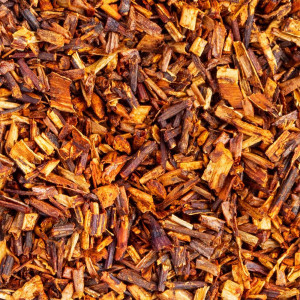
Rooibos Earl Grey
Organic Rooibos Earl Grey brings together the warm, woody roundness of rooibos with the bright, fragrant lift of natural bergamot.
€9.70Discover
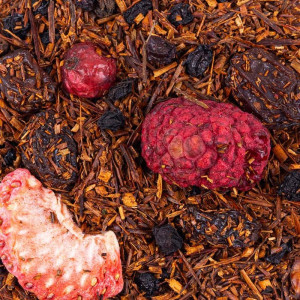
Wild Berry Rooibos
Organic wild berry rooibos makes for an indulgent, caffeine-free infusion where raspberry, strawberry, blackcurrant and elderbe…
€7.90Discover
Also explore the guide — ROOIBOS
-
 Rooibos & Blood Pressure: Benefits and Precautions
Discover
Rooibos & Blood Pressure: Benefits and Precautions
Discover
-
 Rooibos Side Effects: 5 Contraindications Worth Knowing
Discover
Rooibos Side Effects: 5 Contraindications Worth Knowing
Discover
-
 How to Pronounce Rooibos Correctly
Discover
How to Pronounce Rooibos Correctly
Discover
-
 Rooibos in the Evening: Benefits and Tips for Restful Nights
Discover
Rooibos in the Evening: Benefits and Tips for Restful Nights
Discover
-
 Rooibos herbal infusion: benefits, varieties & wellness
Discover
Rooibos herbal infusion: benefits, varieties & wellness
Discover