

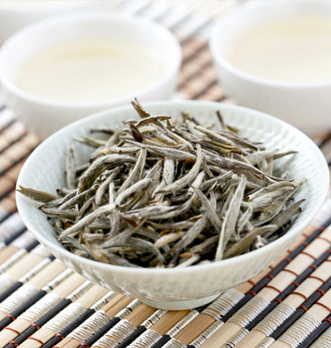
It has been known for centuries that drinking tea regularly is deeply beneficial for your health. Yet not all teas offer the same virtues, even though they all come from the same plant: the tea bush, known as Camellia Sinensis. So what are the benefits of white tea? According to numerous studies, white tea's advantages are arguably the most impressive of all tea varieties. What sets one tea apart from another comes down to its place of origin, growing conditions, harvest period, which parts of the plant are picked, and the processing it undergoes before packaging. This gives us the main varieties: black tea, red tea, green tea, yellow tea, and white tea, with white tea being the rarest, the most precious, and the richest in polyphenols, particularly flavonoids, which are powerful antioxidants with a wide range of properties. White tea is made primarily from buds (in the case of Silver Needle tea) or from buds plus the two youngest leaves (in the case of Bai Mu Dan tea). This is precisely why white tea's benefits are more pronounced than those of other teas. It is also worth distinguishing between loose-leaf tea and tea bags. The latter, sold cheaply in supermarkets, is unfortunately often made from tea dust and waste. If you want to make the most of tea's many virtues, loose-leaf is always the better choice.
White Tea Health Benefits
The benefits of white tea become noticeable quickly as part of a detox program. Drinking 2 to 3 cups of white tea per day harnesses the tea's natural diuretic properties, helping your body flush out toxins efficiently. Why is white tea more diuretic than green or black tea? Its exceptionally high concentration of catechins has an even greater effect on water retention. And because it helps eliminate waste from the body, it also aids in fat elimination, supporting weight management. White tea's health benefits extend further still: it helps reduce bad cholesterol, lower blood pressure, protect against cardiovascular disease, strengthen the immune system, and may help guard against certain cancers. Its fluoride content also protects teeth from the plaque that causes bad breath and helps prevent cavities. One note of caution: white tea is not recommended for people with iron-deficiency anemia, as white tea can reduce iron absorption. It is best to avoid drinking tea with meals.
White Tea Benefits for the Skin
Unlike other teas, white tea is harvested just once a year and undergoes no processing other than simple withering (air-drying in the sun). Minimally oxidized, white tea is rich in catechins (a subclass of flavanols), which are also powerful antioxidants that combat free radicals, the primary cause of cellular aging. The benefits of white tea for the skin are nothing short of extraordinary: it acts like a true youth elixir. White tea is also widely recognized for its anti-inflammatory properties. And drinking it regularly helps eliminate the toxins that so often contribute to breakouts and acne. In short, a balanced diet combined with regular white tea drinking is a wonderful foundation for clear, healthy skin, free from blemishes and redness.
White Tea Oil: Benefits
While drinking white tea works from the inside, white tea oil brings its nourishing properties to the skin through topical application. This organic, 100% natural white tea vegetable oil comes directly from Japan, where it has long been used to regenerate and restore the skin. Like white tea itself, white tea oil is antioxidant-rich and shields against free radicals. Applied regularly to the face and eye contour, it smooths the skin, softens fine lines, evens out the complexion, reduces acne scars, diminishes puffiness and dark circles, tightens pores, and balances sebum production. This remarkable oil is a true treasure for your skin.