White Tea vs Green Tea: Differences & Which Is Better

Cultivating a balanced lifestyle is a lovely habit. It means eating a balanced, wholesome diet, keeping portions reasonable, staying well hydrated, and moving your body regularly. Organic tea ranks second only to water as a favourite drink for enjoyable hydration throughout the day. All teas come from the same plant, Camellia Sinensis. The different colors result from the various processes the leaves undergo after harvest. Oxidation and fermentation are the two key steps that shape both the color and the character of each tea. Several tea varieties make wonderful companions for light, mindful moments, including Pu-erh, Oolong, Rooibos, red tea, black tea, green tea and white tea. Green tea and white tea are among the most loved for everyday enjoyment. So, green tea or white tea? Let's take a closer look at these two celebrated teas to help you find the one that suits you best.
Green tea vs. white tea: what sets them apart?
No two teas are quite alike. From color and texture to aroma and taste, each has its own place and its own distinctive character. The two teas most loved for everyday enjoyment are green tea and white tea. To help choose between green tea and white tea, it's worth understanding what makes organic green tea so special. Green tea is widely consumed across China, Korea, and Japan. After harvest, it goes through four stages: air drying, withering (pan-fired in a wok for Chinese green tea, or steamed and stirred for Japanese varieties), rolling, and desiccation. These quick processes halt the natural oxidation of the tea early, preserving a high concentration of flavanols, antioxidants naturally found in the leaf. Green tea also brings a wonderfully fresh note to the palate, lovely between meals to accompany the small moments of the day. As for its character, green tea contains a fairly high level of theine (tea's natural caffeine), so many prefer to enjoy it during the day rather than in the evening. Like any drink, it is best savoured in moderation to fully appreciate its taste.
Drinking white tea to lose weight
Green tea and white tea are often grouped together, as both are minimally processed after harvest. That said, white tea is by far the least processed of the two, and the most concentrated in polyphenols and catechins. It is one of the most delicate teas there is. White tea is harvested just once a year, in spring, from Camellia Sinensis plants grown in the Yunnan province of China. The buds and the two youngest leaves are carefully picked, then simply withered in open air (withering) before moving on to desiccation (drying in a warm-air dryer). Hand-sorted, the white tea is then ready for packaging. Two factors set white tea apart from green tea: it is made almost entirely from buds and young shoots (which are richer in polyphenols) and it undergoes even less processing than green tea, meaning it is less oxidized. Compared to green tea, white tea is more concentrated in alkaloids. It contains less theine, meaning white tea can be enjoyed throughout the day, right up until the evening. All things considered, white tea is a beautifully gentle, refined choice.
How much white tea per day for weight loss?
Daily tea consumption can be generous while staying reasonable. On average, regular green tea or white tea drinkers enjoy at least three cups of tea a day to make the most of the pleasure: one in the morning, one after a meal, and one in the evening. Two grams of white tea is enough for a 250 ml cup, and you can enjoy up to five or six cups across the day to suit your mood. One of the great qualities of white tea is that it can be infused multiple times without losing its character. In fact, the more you re-steep white tea, the less bitter it becomes (unlike black tea, for example). The flavonoids, naturally found in the leaf, continue to be released with each successive infusion. A high-quality white tea can be steeped up to seven times. For this reason, the traditional method of preparing white tea in a teapot is always recommended. It is best enjoyed away from mealtimes, to fully savour its aromas.
Green tea and white tea: two delicate teas to enjoy
Green tea or white tea, tea is a pleasure for every season. Refined and wonderfully refreshing, it can be enjoyed hot, warm, or as an iced tea. Drinking green tea or white tea regularly beautifully accompanies your days and invites precious moments of pause and wellbeing. It is a simple, elegant and comforting ritual to weave into everyday life. To choose a quality organic green tea or organic white tea, always opt for loose-leaf. Store your tea in a metal tin, away from light and heat.
Explore our range of organic white teas: Pai Mu Tan, Yin Zhen Silver Needles, Anji Bai Cha, and our flavored blends. Certified organic farming, direct sourcing.
Tempted to try it?
Our selection related to this article, loose leaf and organic.
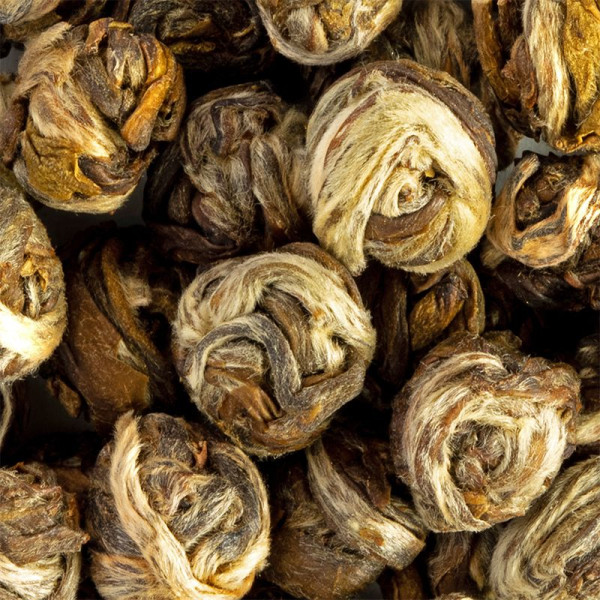
White Jasmine Dragon Pearls Tea
Organic White Jasmine Dragon Pearls reveals delicate hand-rolled jasmine pearls from China.
€12.90Discover
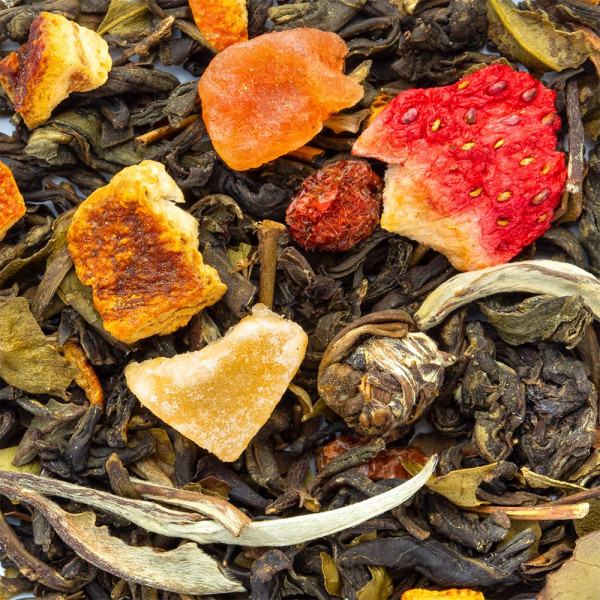
Dragon White Tea
The Dragon White Tea is an indulgent, exotic blend built on a Pai Mu Tan base, lifted by notes of lychee and peach.
€9.90Discover
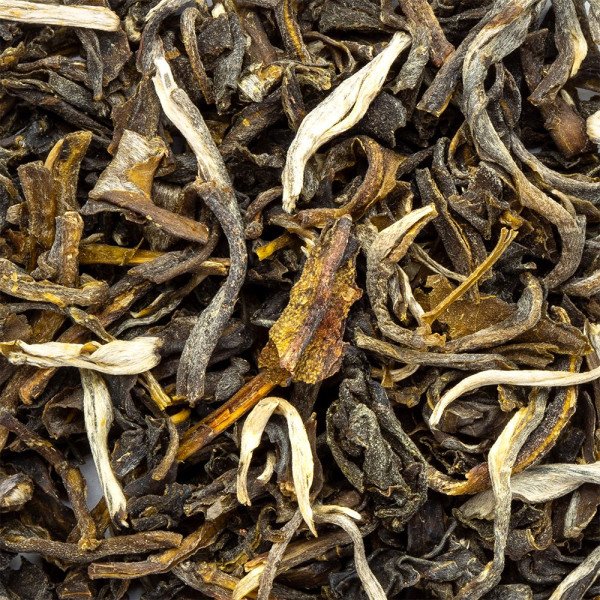
Vietnam Mao Feng White Tea
Organic Vietnam Mao Feng white tea is made from delicate hand-picked young buds, yielding a pale, luminous liquor with fresh, v…
€10.50Discover