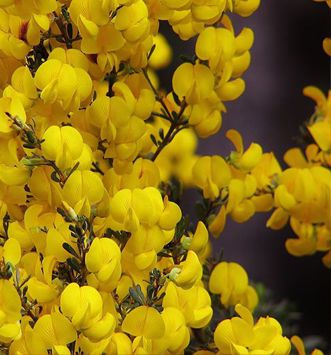
Grown in the Cederberg mountains, rooibos gives us the drink known as red tea in the Western world. To become the toasty, nutty herbal infusion we know, rooibos leaves go through several stages of transformation. The most important of these is rooibos fermentation, which determines the final character of the finished product. A journey into the heart of South African tradition.
Africa's Red Tea: the Secrets Behind Its Making
Rooibos is an herbal infusion crafted in the purest tradition. The bush grows in the arid lands of the Cape. Its leaves are harvested, then fermented to produce a wholesome drink suited to the whole family. Most plantations operate within a fair-trade framework.
From Seedling to Harvest: the Growth of the Rooibos Bush
Rooibos is a wild shrub native to the Cederberg mountains, north of the Cape. Its seeds are gathered in the wild and then planted in large fields at the foot of the mountains.
The leaves are harvested in summer, when the sun is at its most generous. Each plant can yield up to five harvests before it dies.
The Steps Involved in Making Rooibos Tea
Fresh rooibos leaves are used to produce rooibos. The process involves:
- cutting;
- crushing;
- fermenting;
- drying;
- and packaging (loose-leaf or in tea bags).
From Bundles to Finished Tea: Why Fermentation Matters
Depending on the plantation, local producers crush the rooibos leaves either before or after fermentation.
In all cases, the leaves are laid in bundles roughly 20 centimetres thick and left to mature for 12 hours at temperatures above 40°C. The bundles are watered regularly throughout the process, then the leaves are dried in the sun.
This transformation is a delicate and essential step. It is here that rooibos develops its deep red colour and its characteristic smooth, gently sweet flavour.
Organic Infusions from the Cape: Choosing the Right One for You
South Africa is home to several organic herbal infusions. While all are rich in antioxidants, their individual properties and flavour profiles differ.
Cape Herbal Teas: One Name, Several Different Drinks
Deep in the Cederberg mountains, three distinct infusions are produced:
- red rooibos;
- green rooibos;
- Honeybush.
All three are naturally free from theine and caffeine, two stimulants found abundantly in black tea, coffee, and dark chocolate respectively.
Nature has also endowed these Cape infusions with a wealth of antioxidants. Medical studies suggest they may play a positive role in cancer prevention. That said, each infusion has its own distinct flavour, colour, and wellness properties.
The Benefits of Organic Rooibos
A growing body of scientific research highlights the medicinal properties of rooibos. Its effects on health are widely regarded as positive, and it may help ease certain conditions.
According to specialised literature, rooibos (red or green), rich in antioxidants, may have a beneficial impact on:
- digestive complaints;
- sleep difficulties;
- cancer;
- skin and cognitive ageing.
Red Rooibos or Green Rooibos: How to Choose
Organic rooibos varieties come from the same Cederberg shrub. The difference lies in how they are prepared.
Red rooibos is fermented. This reduces some of its antioxidant content, but gives it a sweeter, rounder flavour and the characteristic reddish colour the drink is known for. It is traditionally used to support digestive health.
Green rooibos is not fermented, which means it retains all of its natural compounds. Its colour has beautiful golden highlights, its aroma is fresher and more herbaceous, and its benefits for the skin are more pronounced. It is also known as an iron chelator.
Rooibos Recipes: Making the Most of Every Cup
Loose-leaf rooibos yields the most aromatic infusion. Quality matters, and an organic, fair-trade origin is the best guarantee of exceptional flavour.
Water: the Secret to a Perfect Rooibos Infusion
Seasoned enthusiasts agree: rooibos should always be prepared with spring water, heated to 100°C.
For a rooibos full of aroma, one teaspoon of loose-leaf per 200 ml cup is ideal. Steeping time is a matter of personal taste, though below 10 minutes the full bouquet of the plant has not had time to fully develop.
Spices and Organic Fruit: Adding a New Dimension to Rooibos
For something a little different, rooibos lends itself beautifully to all kinds of recipes. Paired with fruit or spices, it can reveal some wonderfully surprising flavour combinations.
Fair-trade spices such as vanilla or cacao add a warm, sweet note to the blend. Organic citrus zest brings an exotic, vibrant character to the infusion.