What Is Oolong Tea? Health Benefits, Caffeine & More

What are the benefits of oolong tea?
Oolong tea, semi-oxidised between green and black tea, is rich in antioxidant compounds and delivers a moderate caffeine level balanced by L-theanine. Its health effects vary with its oxidation level (10 to 70%): a lightly oxidised Chinese oolong will have a profile closer to green tea, while a roasted Taiwanese oolong leans toward black tea. Oolong offers a uniquely diverse range of aromas and benefits, making it one of the most appreciated teas in the world.
Oolong tea: benefits inherited from both green and black tea
The benefits of oolong tea depend on its oxidation level. A lightly oxidised oolong (10–30%) has a profile close to green tea: moderate caffeine and abundant catechins. A more heavily oxidised oolong (50–70%) resembles black tea, with a rounder character and the presence of theaflavins. Oolong shares several properties common to the whole tea family. Here is an overview of its health benefits:
- Catechins and theaflavins (antioxidant compounds) that help the body combat oxidative stress (EFSA).
- Moderate caffeine (15–30 mg per 200 ml), balanced by L-theanine, an amino acid with relaxing properties.
- Minerals: manganese, magnesium and potassium, naturally present in the leaf.
- Natural fluoride levels generally lower than those found in standard green tea, especially in organic versions.
- A unique flavour, varying with terroir and oxidation level.
Antioxidants and oxidative stress
The catechins and theaflavins in oolong tea are antioxidant compounds that help protect the body's cells from the free radicals responsible for cellular ageing. This antioxidant property is common to all teas derived from Camellia sinensis. According to the EFSA, plant-based antioxidant compounds contribute to the protection of cells against oxidative stress. Thanks to its richness in antioxidants, oolong fits naturally into a daily tea routine that supports overall wellbeing. These benefits are all the more pronounced when the leaf is of high quality and organically grown.
L-theanine, caffeine and the nervous system: calm alertness without drowsiness
L-theanine is an amino acid found specifically in tea. It works in synergy with caffeine to produce a state of calm wakefulness: caffeine stimulates without over-stimulating, while L-theanine soothes without sedating. This combination is one of the great virtues of oolong tea, particularly for daytime focus. An afternoon cup of oolong can help restore relaxed alertness, without the adrenaline spike of coffee. It makes for a gentle, effective alternative to a morning espresso.
Oolong tea and digestion: an age-old ritual
In Chinese culture, oolong tea is traditionally served after rich meals to aid digestion. This centuries-old practice finds some support in modern research: antioxidant compounds may help modulate the absorption of certain lipids and ease the feeling of post-meal heaviness. Without overpromising, it's fair to say that oolong tea, drunk warm after a meal, makes for a pleasant digestive companion. Many tea lovers appreciate this pause, which takes the edge off that heavy, full feeling.
Oolong tea and weight: what to know
Oolong tea is often linked to slimming, but it is not a weight-loss product. No weight-loss claim is recognised for tea by the health authorities (EFSA). Some studies suggest a modest effect on energy expenditure from caffeine, without conclusive scope: oolong only makes sense within a balanced diet and regular activity, never as a miracle solution.
Antioxidants: what we know, what we don't
Oolong tea is naturally rich in antioxidant polyphenols. Research explores their potential role, but no health claim (immunity, heart…) is currently validated for tea by EFSA. Tea is a pleasure and a ritual with interesting properties: it is not a medicine and neither prevents nor treats any disease.
Caffeine: what's in your cup
The caffeine content in a cup of oolong tea ranges from 15 to 50 mg depending on the degree of oxidation and steeping time. A lightly oxidised oolong is close to green tea (15–25 mg); a roasted oolong approaches black tea levels (30–50 mg). For an evening cup, opt for a lightly oxidised oolong such as Milky Oolong or Bao Zhong. Theaflavins, present in more heavily oxidised oolongs, bring their own set of antioxidant properties.
How to prepare and drink oolong tea to make the most of its benefits
To fully enjoy the properties of oolong tea, preparation matters. A few simple guidelines:
- Use good-quality water (low in minerals), heated to 85–95 °C
- 4 to 5 g per 300 ml using the Western method; 5 to 7 g using the Chinese gong fu cha method with a small teapot
- Steep for 2 to 4 minutes (Western) or 20 to 45 seconds (Chinese, lengthening with each successive infusion)
- Re-steeping: 3 to 5 times (Western), 6 to 10 times with gong fu cha using a Yixing clay teapot
- Pay attention when you steep: too long and the oolong turns bitter; too short and it lacks body
Moderate daily consumption (2 to 3 cups a day) is ideal for enjoying the benefits of oolong tea without excessive caffeine. To brew oolong as close to tradition as possible, try the Chinese method. Our complete brewing guide walks you through the steps for the perfect cup.
Who benefits most from oolong tea?
Oolong tea suits most tea lovers. A few precautions to keep in mind to avoid any discomfort:
- Pregnancy and breastfeeding: limit to 1–2 cups per day due to caffeine content
- Caffeine sensitivity: choose lightly oxidised oolongs and avoid drinking after 4 pm
- Medication: consult a healthcare professional, as some substances interact with the tannins in tea
- Iron-deficiency anaemia: avoid drinking tea with meals, as tannins can limit iron absorption
Oolong tea is a beverage, not a medicine. No single food can treat a medical condition on its own.
Our selection of organic oolong teas
From our workshop near Aix-en-Provence, we source organic oolongs directly from China (Fujian, Wuyi) and Taiwan: from the creamy Taiwanese Milky Oolong to the floral Tie Guan Yin from Anxi, by way of the mineral Da Hong Pao. All our oolong teas are organically grown, with no pesticides or added flavourings. Authentic flavour, for the full benefit of oolong tea. Browse our complete range of organic oolong teas.
Your questions about oolong tea and health
Does oolong tea help with weight loss?
No. Oolong tea is not a slimming product and no weight-loss claim is recognised (EFSA). Its possible effect on metabolism is modest and inconclusive: it only makes sense within a balanced lifestyle.
Is oolong tea good for the heart?
No cardiovascular health claim is validated for oolong tea by the health authorities. Rich in antioxidants, it fits within a balanced diet, with no proven preventive effect.
When is the best time to drink oolong tea?
Morning and afternoon are the best times. Avoid drinking after 4 pm if you are sensitive to caffeine. After a rich meal, oolong tea is traditionally known to aid digestion.
Does oolong tea have any side effects?
At normal amounts (2–3 cups per day), no known side effects in healthy adults. Overconsumption may cause restlessness, sleep disturbances or palpitations (effects of caffeine). If in doubt, consult a healthcare professional. To avoid these issues, stick to the recommended amounts.
Can you drink oolong tea every day?
Yes, 2 to 3 cups of oolong tea per day is perfectly suited to daily consumption for a healthy adult. Vary the origins and oxidation levels to enjoy the full aromatic range. Our recommendation: alternate with other teas (green, white, black) to enjoy a complete spectrum of flavours and benefits.
Tempted to try it?
Our selection related to this article, loose leaf and organic.
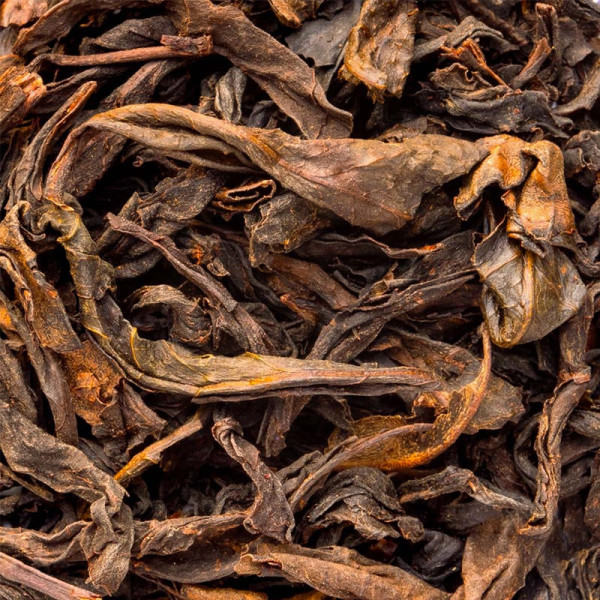
Oolong Shui Xian
Organic Shui Xian oolong is a Chinese tea of rare elegance, semi-oxidised and grown on the mineral-rich slopes of Fujian.
€7.40Discover
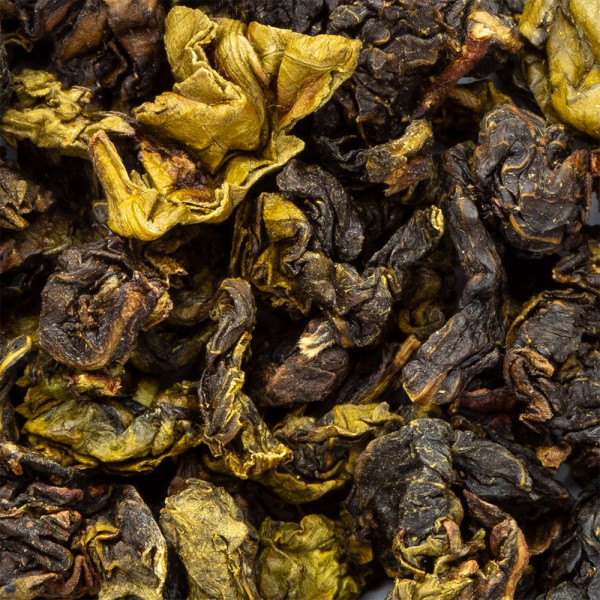
Milky Oolong
Milky Oolong from China reveals naturally milky, velvety notes — the hallmark of great semi-oxidised oolong teas.
€13.90Discover
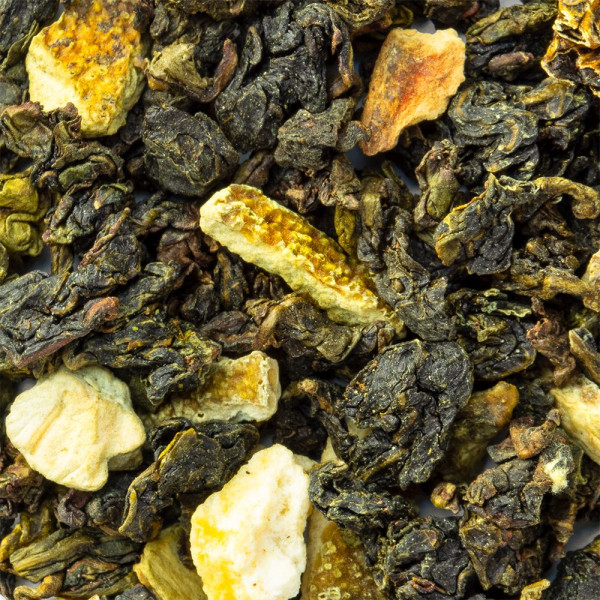
Orange Oolong
Organic orange oolong brings together a semi-oxidised oolong with orange peel and mango pieces.
€10.90Discover